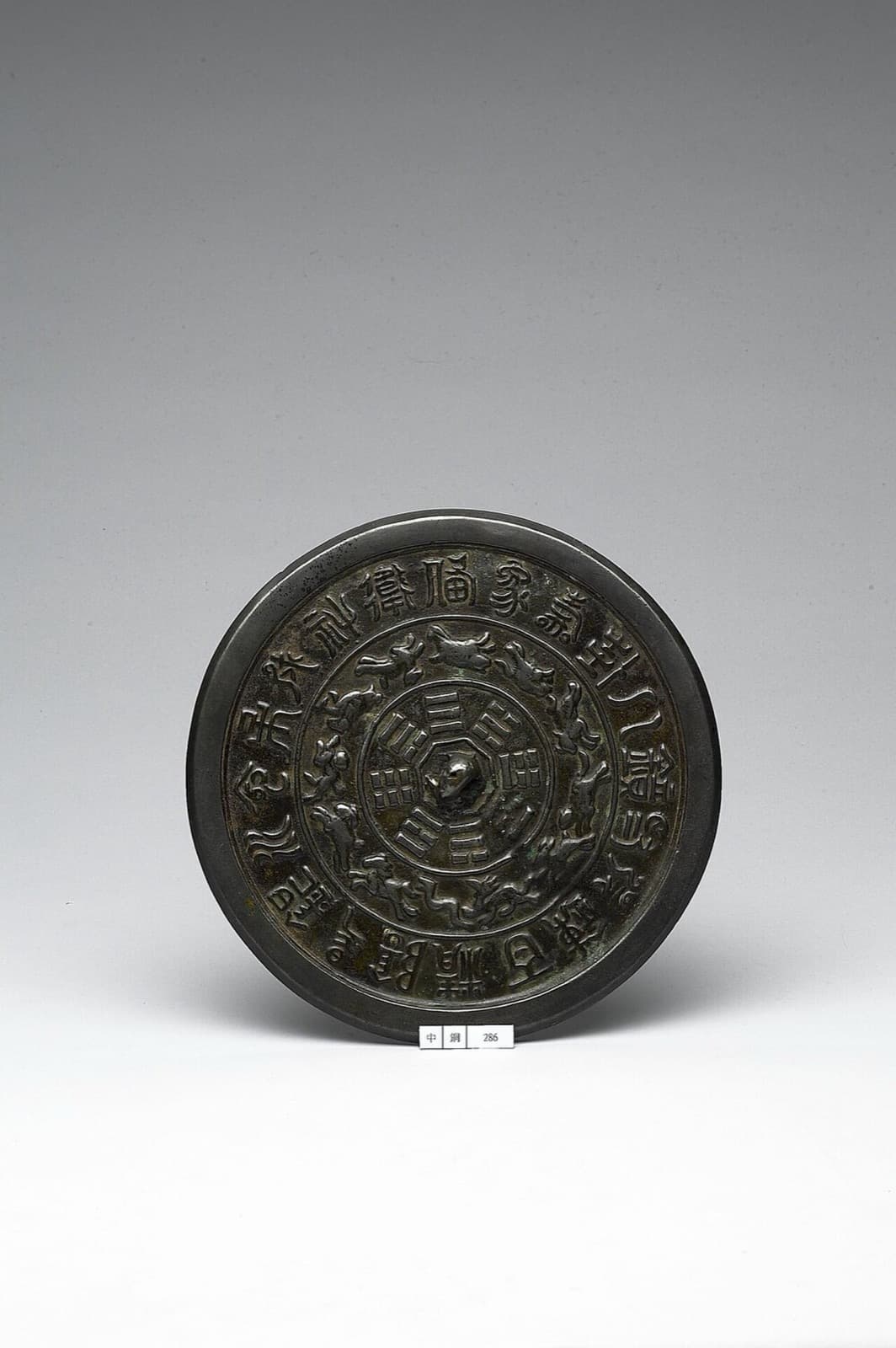
Home Office Feng Shui , Principles for an Auspicious Layout
Feng shui for a home office, whether a small corner or a dedicated room, can influence your focus, creativity, and productivity. It's best not to view these as superstitious rules but as the art of arranging your space to create a sense of safety, comfort, and ease, thereby supporting your best work. This article explores practical feng shui principles for a home office.
The Command Position , Foundation of Focus
The most crucial principle, both in the office and living room, is the placement of your desk, known as the 'command position.' Ideally, your desk should have a solid wall behind it, providing a sense of security and support. From this spot, you should have a clear view of the door, but not sit directly in line with it. Seeing the door helps you feel proactive and less prone to surprise, calming your mind for better focus.
If your room is too small or the layout forces you to sit with your back to the door, you can remedy this by hanging a mirror to reflect the space behind you. This allows you to see what's behind without turning around, reducing feelings of vulnerability and creating visual balance.
Clear Pathways and Space Management
Energy, or 'chi', needs to flow smoothly and naturally through your workspace. A cluttered, cramped room with tangled cords, old paperwork, and unused items obstructs this flow, creating a heavy, stuffy feeling that hampers concentration and fosters procrastination. Ensure walkways are clear and keep your space tidy, retaining only what's necessary for work. This is one of the most important principles for maintaining mental clarity and a relaxed mindset.
Layered Lighting and Natural Elements
Lighting greatly influences the mood and energy of a workspace. Too little light causes fatigue; harsh, glaring light (like cool white fluorescents) can lead to stress and eye strain. Instead of a single light source, combine layers: a ceiling light for general illumination, a desk lamp for task lighting, and an accent lamp for depth. In the evening, prefer warm, soft lighting for a cozy, relaxing feel. During the day, maximize natural light by opening curtains, as it's the most positive and abundant energy source.
Incorporating plants is highly encouraged. Greenery symbolizes growth and brings positive energy, making the space more inviting. For Vietnam's climate, choose easy-care plants with round, lush leaves like betel vine (trầu bà), money tree (kim tiền), jade plant (ngọc bích), or lucky bamboo. Avoid plants with sharp thorns, like cacti, as they can create tension and a lack of softness.
Balancing the Five Elements
A harmonious office balances the five elements (Metal, Wood, Water, Fire, Earth). You don't need a full renovation; adjust with colors and accessories. For instance, if brown wooden furniture (Earth) dominates, balance it with a green chair or rug (Wood). A red, orange, or pink desk lamp (Fire) can add energy. Metallic details (Metal) and blue or black accessories (Water) complete the balance.
Balance also extends to shapes and materials. Too many sharp corners can feel stressful. Favor items with soft, rounded lines. Combining materials like wood (Wood), metal (Metal), and stone/ceramics (Earth) creates a visually diverse and interesting environment.
Art and Mirrors Placement
Art and mirrors directly affect your emotions. Choose images that are positive and symbolize advancement, like majestic landscapes or vast oceans. Avoid gloomy or chaotic artwork. Hang pictures slightly above eye level for an airy feel.
Use mirrors cautiously. A well-placed mirror (e.g., reflecting the door when your back is to it) can make the room feel larger and increase a sense of security. However, never place a mirror reflecting your desk directly, as it can be distracting and cause energy drain.
Wealth and Knowledge Areas
According to the Eight Mansions school, every space has eight sectors. The southeast corner of your office is its wealth sector. Activate it by placing a green plant, a crystal, or a safe there to boost career and financial energy.
The northeast corner is the knowledge and education sector (Mountain, Earth element). If you're learning new skills or studying, place bookshelves or your computer here. Adding items made of ceramic or clay can support your studies.
When making changes, do so gradually and observe the effects to adjust to your own feelings. The most important goal is to create a workspace where you feel truly comfortable, secure, and inspired.