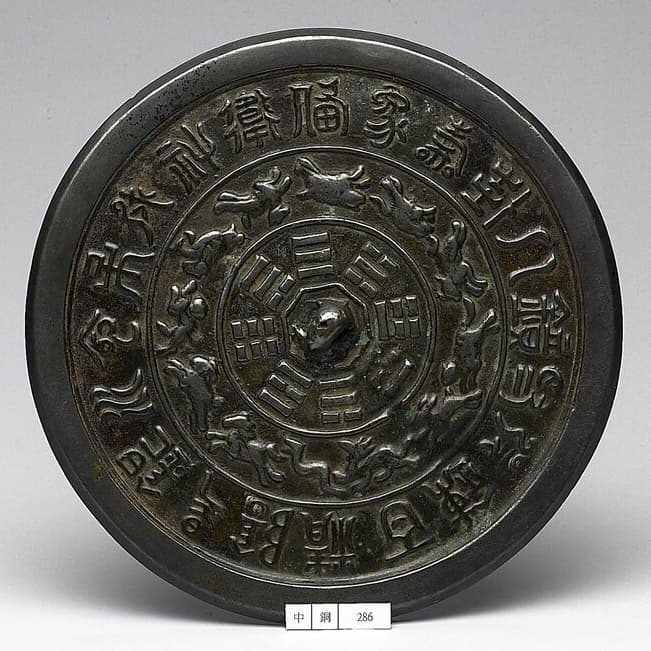
Introduction to Bagua and the Gen Trigram
The I Ching, revered as one of the world's great classics, operates on a unique structural language of just two symbols: the solid yang line and the broken yin line. These represent two opposing cosmic forces whose interaction creates all movement and change. From these two basic lines, eight trigrams (Bagua) were formed by stacking three lines. These eight trigrams, when combined in pairs, create the 64 hexagrams that encompass all universal principles.
Within the Bagua system, each trigram carries its own symbol and meaning. The Gen trigram (☶), consisting of one yang line atop two yin lines, is the seventh trigram in the Later Heaven arrangement. Its structure evokes the image of a majestic, steadfast mountain, symbolizing stillness and the principle of rest.
Symbolism of the Gen Trigram
The Mountain Image
The most apparent symbol of Gen is the mountain. The image of a solid yang line (representing firmness and strength) resting above two yin lines (representing flexibility and earth) creates the picture of a mountain rising from the ground. The mountain symbolizes grandeur, solidity, and, most importantly, immovability. It stands for millennia, unmoved by weather or time. Thus, Gen embodies meaning of stillness, stability, and enduring resilience.
Stillness and the Point of Rest
Beyond the mountain image, Gen is the symbol of stillness (止 - zhi), meaning to stop. In the cosmic cycle, after periods of movement and growth, all things require a point of rest to consolidate, reflect, and prepare. Gen represents this point. It is not an absolute end but a purposeful pause, a time to stand still, look inward, and prepare for future steps.
Philosophical Significance
Position in the Cosmic Cycle
According to I Ching philosophy, the universe operates in endless cycles. Scholars like Nguyen Hien Le have noted that the 64 hexagrams represent 64 archetypal life situations. Gen (hexagram 52) appears near the end of the cycle, representing a stage where things have reached stability and need preservation. Like a mountain formed over eons, it stands as a foundation for life around it. Its stillness is not stagnation but the bedrock for sustainable development.
The Lesson of Knowing When to Stop
The most critical life lesson from Gen is knowing when to stop. People often get swept up in endless pursuits of fame and wealth. Knowing one's limits and pausing deliberately is a difficult but essential virtue. Gen teaches that stillness is not avoidance but powerful inner strength. By stopping, we see ourselves and the world more clearly, enabling wiser decisions.
Serenity Amidst Change
The mountain stands firm against all storms. Gen encourages cultivating a serene, unshakable mindset amidst life's fluctuations. When the mind is still, external turmoil cannot disturb our inner peace. This tranquility is the foundation for wisdom, allowing objective observation free from fleeting emotions.
Applications of Gen in Daily Life
In Career and Work
Gen advises knowing when to pause. After a project's success, consolidate and strengthen what exists rather than recklessly expanding. This deliberate pause mitigates risks and builds a solid foundation for future growth.
In Relationships
Gen teaches respect for others' boundaries,knowing when to speak or stay silent, when to advance or retreat. Stillness and understanding deepen relationships. Like a mountain providing stable support, a person embodying Gen becomes a reliable anchor for others.
In Inner Cultivation
Gen reminds us to cultivate our inner world. In our noisy, fast-paced world, finding quiet space for self-reflection is crucial. This is when we connect with core values, nurturing inner peace and wisdom. Gen's stillness is key to a balanced, meaningful life.
Conclusion
The Gen trigram is more than an abstract symbol; it is a profound lesson in the art of living. It reminds us of the value of stillness, knowing when to stop, and maintaining serenity amidst change. Like the towering mountain, we can learn to be steadfast, finding true peace from within.
Quick-Reference Table: Trigram Gen
| Aspect | Content |
|---|---|
| Earlier Heaven number | 7 |
| Chinese name | 艮 |
| Symbol | ☶ |
| Natural image | Mountain |
| Element | Earth |
| Later Heaven direction | Northeast |
| Three lines, first line at the bottom | 1st yin, 2nd yin, 3rd yang |
*Số liệu trong bảng khớp với kết quả các công cụ tra cứu trên Nhật Nguyệt.*