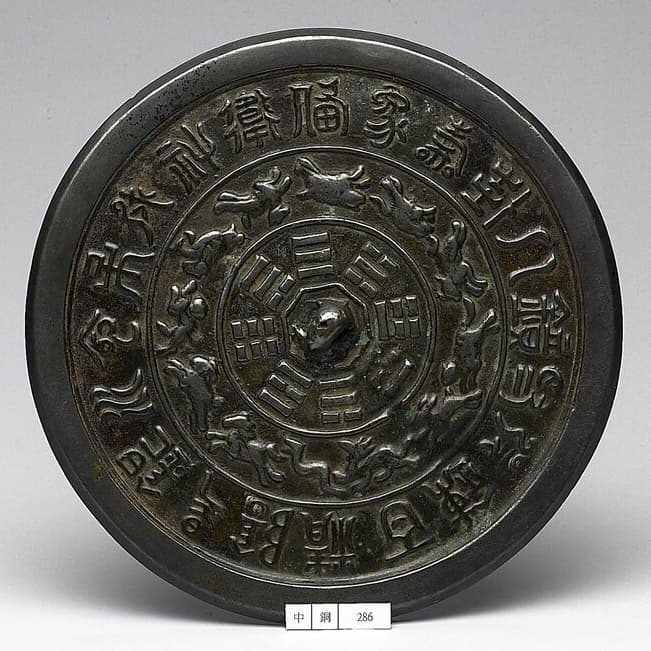
Introduction to Heavenly Stems and the position of Yi
In the system of Heavenly Stems, Yi is the second stem, sharing the Wood element with Jia but carrying Yin nature. While Jia represents a tall tree, Yi symbolizes grass, vines, and soft flowers. This Yin-Yang distinction reflects complementary aspects of all things: firmness and gentleness, action and stillness.
In the I Ching, Yin-Yang philosophy is foundational. Yi, as Yin Wood, corresponds to adaptability, quiet growth, and resilience. Ancient wisdom compared Yi to grass that bends with the wind, not resisting circumstances but skillfully moving to survive and thrive.
Yin-Yang characteristics of Yi
Yin Wood: the power of flexibility
Wood in the Five Elements represents growth and upward movement. Yang Wood (Jia) is a large tree facing the sun directly. Yin Wood (Yi) is low-growing plants or vines that rely on other structures or spread on the ground. Yi's strength lies not in display, but in endurance, deep rooting, and rising from crevices.
In the I Ching, yin lines represent gentleness and humility. Yi embodies these traits. People born under Yi are usually gentle, approachable, and avoid direct confrontation. They excel at listening and waiting patiently, contrasting with Jia's decisiveness.
Relationship with Kun and Xun hexagrams
Yi is often associated with the Kun (Earth) and Xun (Wind) hexagrams. Kun represents receptivity and nurturing. Xun represents penetration and flexibility. This combination shows Yi as not just vegetation, but carrying the energy of the earth mother and gentle breeze, capable of permeating every corner.
Eastern position and Spring season
According to Five Elements theory, Wood belongs to the East, where the sun rises. Yi, as Yin Wood, also connects to the East but at a deeper level, preparing silently beneath the soil. In Spring, the month of Mao belongs to Yi. If Jia is the first gust announcing spring, Yi is the tender shoots and early blossoms.
Applications in I Ching and astrology
Personality and destiny analysis
In BaZi or Zi Wei Dou Shu, those with Yi in their Day Master often have good intuition and sensitivity. They dislike constraint but may be easily influenced. Their strength lies in connecting and reconciling. When casting hexagrams for Yi people, the presence of yin and yang lines matters. More yang lines suggest they can overcome passivity; all yin lines indicate a need to assert themselves.
Interactions with other elements
Wood generates Fire, and Water generates Wood. Therefore, Yi benefits from Water (intelligence) and can shine with Fire (fame). Wood controls Earth, so Earth may pose challenges requiring patience. Hexagrams with Wood interactions often reflect life's ups and downs.
Comparison with other stems in the same element
Jia and Yi: two sides of one coin
Jia and Yi share Wood but differ in Yin-Yang. Jia is the leader, Yi the supporter. In a group, Jia pioneers, Yi maintains and develops. When facing difficulties, Jia confronts directly, while Yi finds detours and uses relationships. Both are valuable, and their combination creates completeness.
Yi and other stems
Compared to Bing (Yang Fire) or Ding (Yin Fire), Yi is calmer but more persistent. When meeting Xin (Yin Metal), Metal controls Wood, creating challenges. However, if resolved, Yi can forge resilience from pressure.
Conclusion
Heavenly Stem Yi, with its Yin Wood nature, symbolizes flexibility, endurance, and adaptive wisdom. In the I Ching, Yi represents a principle: retreat to advance, endure to achieve. Those under Yi can maximize their inner strength, like bamboo that bends but never breaks. Understanding Yi reminds us that strength is not always loud, and gentleness is not always weak. The balance between Yin and Yang, firmness and flexibility, is the greatest lesson of the I Ching.
