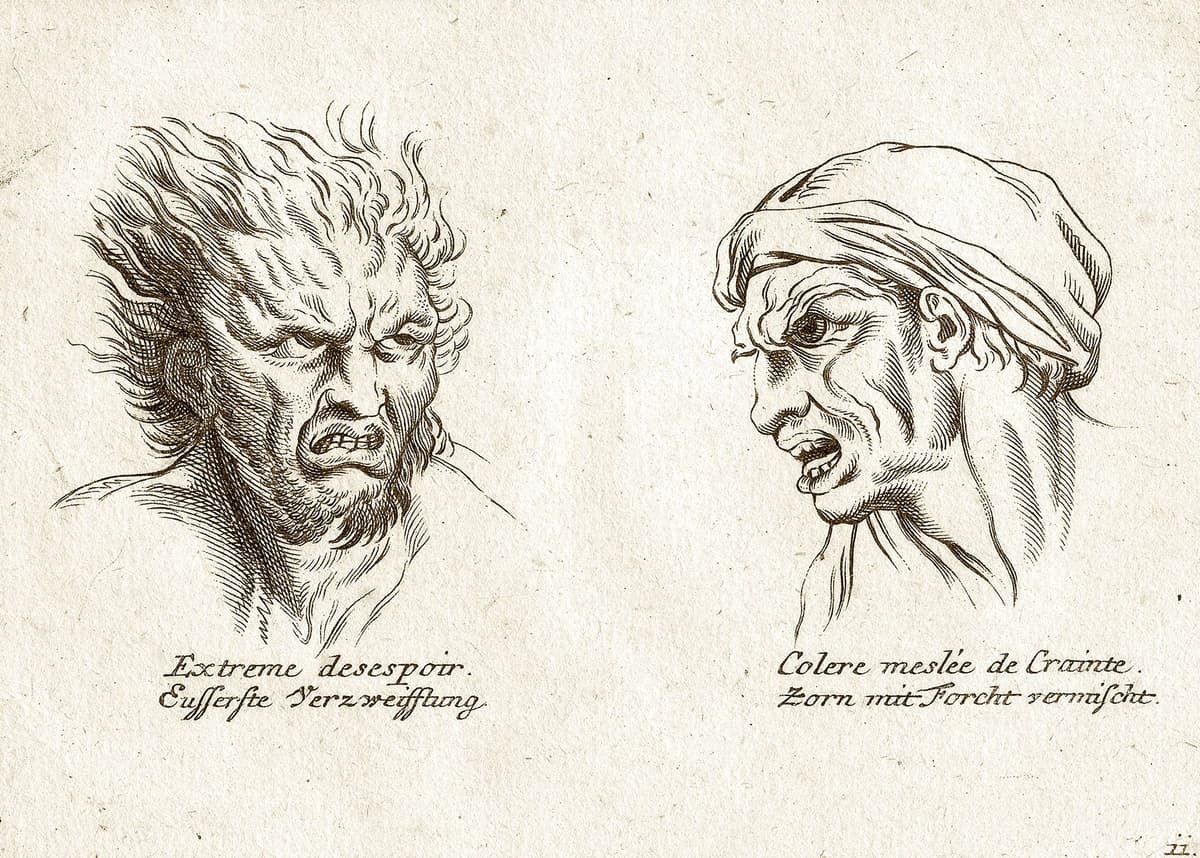
Overview of the Six Palaces and the Upper Palace
In Eastern physiognomy, the face is analyzed through the Three Sections (upper, middle, lower) and the Six Palaces, which divide the face vertically into three symmetrical pairs: Upper, Middle, and Lower Palaces. The Upper Palace (also called Heaven Palace) is located on the upper lateral part of the forehead, directly above the outer corners of the eyes, extending toward the hairline. It symbolizes one's relationship with superiors, mentors, and early-life fortune.
Identifying the Upper Palace
To locate this area, observe the outer forehead region starting from the tail of the eyebrow. This area, often called the "temporal ridge," reflects one's capacity for leadership and social standing.
Physiognomic Significance of Different States
Full and Prominent Upper Palace
A full, well-developed Upper Palace is considered highly auspicious. Such individuals are often decisive, possess natural leadership qualities, and easily earn trust from superiors. They tend to be promoted quickly and entrusted with significant responsibilities. However, if the prominence becomes excessively bumpy or asymmetrical, it may indicate stubbornness.
Sunken, Flat, or Narrow Upper Palace
A sunken or flat Upper Palace suggests difficulties in building relationships with authority figures. These individuals may work hard but receive little recognition, often being overlooked for promotions. They may also appear timid or lack confidence when dealing with powerful people. This does not negate their abilities; rather, they need to make extra efforts to prove themselves and may thrive better in less hierarchical environments.
Skin Color of the Upper Palace
A rosy, glowing complexion in this area signals favorable periods with support from benefactors. A dull, pale, or sallow appearance may warn of temporary obstacles or conflicts with superiors. Since skin color fluctuates with health and mood, this should only be considered a transient indicator.
Moles, Scars, and Other Marks
A prominent black mole near the outer eye area is often seen as unfavorable, hinting at jealousy from others or troubles related to power. A large, deep scar carries a similar meaning, suggesting past upheavals affecting career or relationships. Conversely, a clean, blemish-free area is a positive sign.
Interconnection with Other Facial Regions
The Upper Palace is not analyzed in isolation. It works in tandem with the area between the eyebrows (Yintang) and the central forehead (Ming Gong). A prominent Upper Palace with a narrow, furrowed Yintang may indicate leadership skills lacking in tolerance. Conversely, a flat Upper Palace with a bright, wide Ming Gong can still lead to success through perseverance and virtue. The symmetry between the left (representing father or male boss) and right (representing mother or female boss) sides is also crucial.
Combination with Middle and Lower Palaces
When all three pairs of Palaces are full and balanced, the person excels at managing relationships at all levels. A good Upper Palace with poor Middle and Lower Palaces may result in being favored by superiors but isolated from peers. The opposite scenario suggests relying on friends and subordinates to compensate for poor relations with higher-ups.
Modern Perspective and Practical Lessons
The physical traits of the Upper Palace mainly reflect genetic and nutritional influences. Scientific evidence does not support a direct link between bone structure and destiny. However, from a psychological viewpoint, a harmonious facial appearance can create positive first impressions, indirectly opening more social opportunities. Conversely, insecurity about one's appearance may hinder confidence. Therefore, rather than worrying excessively about auspicious or inauspicious features, one should focus on developing real skills, self-confidence, and healthy relationships. Physiognomy should serve solely as a reflective tool, not as an absolute prophecy.
