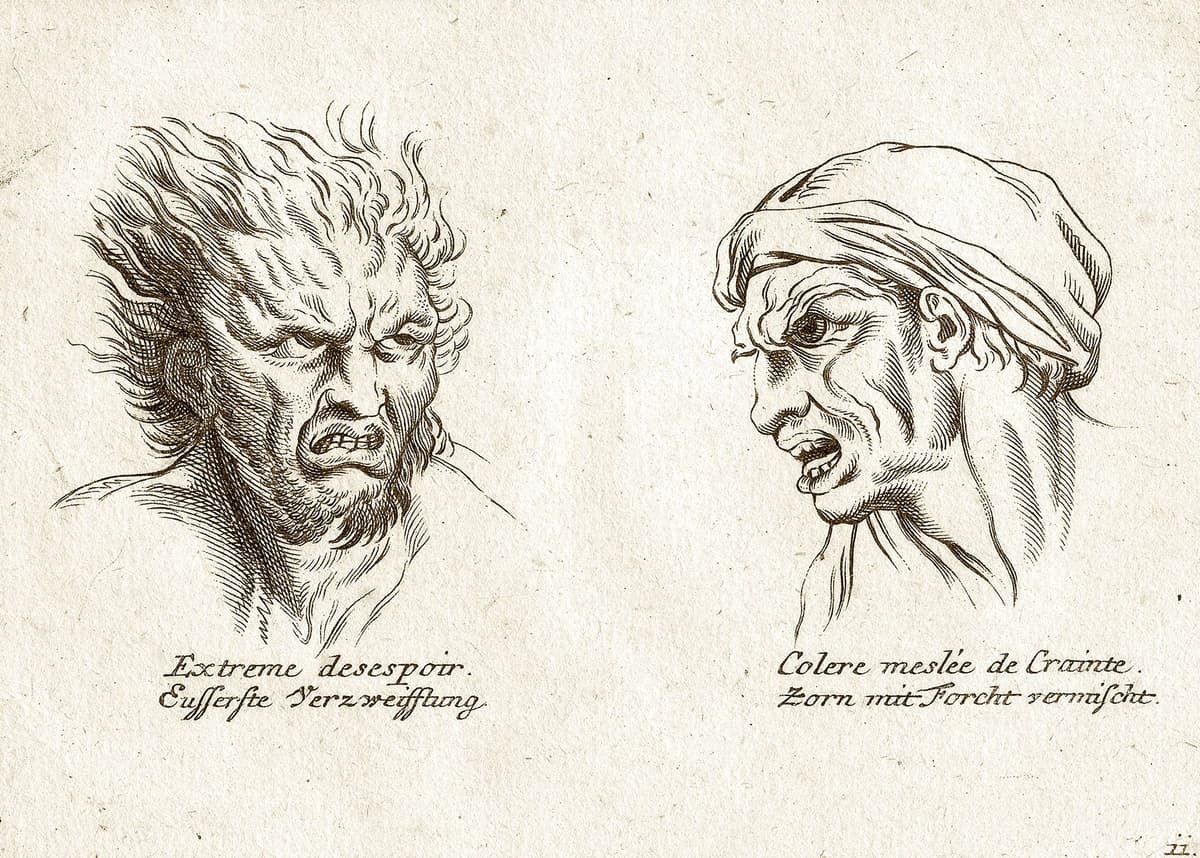
Introduction to the Six Mansions and the Lower Mansion
In Eastern physiognomy, the face is divided into the Three Regions (upper, middle, lower) and the Five Peaks (forehead, nose, chin, cheekbones). Additionally, the Six Mansions system classifies facial areas to assess one's fortune and character. The Lower Mansion (Hạ Phủ) corresponds to the jawbone and chin area, considered a "storehouse" for later years, health, and endurance.
Observing the Lower Mansion
Key factors include the shape of the jawbone, flesh fullness, and facial balance.
Jawbone Shape
- Square and full: Indicates strong willpower, decisiveness, and resilience. Often associated with late but lasting success.
- Pointed or narrow: Suggests sensitivity and indecisiveness, with potential reliance on others.
- Asymmetrical: Implies instability in life, with possible financial or relational turbulence.
Flesh Fullness
Full, firm flesh around the jaw suggests good fortune and longevity. Thin flesh or prominent bones may indicate hardship or loneliness in old age.
Balance with the Face
A harmonious face requires the Lower Mansion to be proportionate to the forehead and mid-face. A narrow jaw with a broad forehead may mean early success but decline later; the opposite suggests a late bloomer with stable fortune.
Relationship with Other Features
The Lower Mansion is closely linked to the mouth, chin, ears, and neck. A smiling mouth with a full jaw indicates optimism and family happiness. Large ears paired with a strong jaw signify authority. A weak jaw with small ears may undermine one's potential.
Psychological and Moral Implications
- Broad jaw: Practical, principled, but sometimes rigid.
- Small round jaw: Approachable, flexible, but easily swayed.
- Protruding jaw: Competitive, argumentative, possibly aggressive.
- Receding jaw: Introverted, insecure, hesitant to express opinions.
The Lower Mansion and Later Fortune
In physiognomy, the forehead rules youth (up to 30), the nose and cheekbones rule middle age (30-50), and the chin/jaw rule old age (after 50). A good Lower Mansion suggests a comfortable, healthy old age with filial descendants and preserved wealth. A poor one may indicate health issues, family troubles, or loneliness in later years.
Caveats
Physiognomy is not an exact science. It should be viewed as a cultural lens, not a deterministic predictor. One should consider the whole face, and remember that character and actions can change one's fate.
Conclusion
The Lower Mansion offers valuable insights into one's later years and inner strength. Like all traditional wisdom, it is best approached with an open mind, combined with rational thinking and modern psychological understanding.


