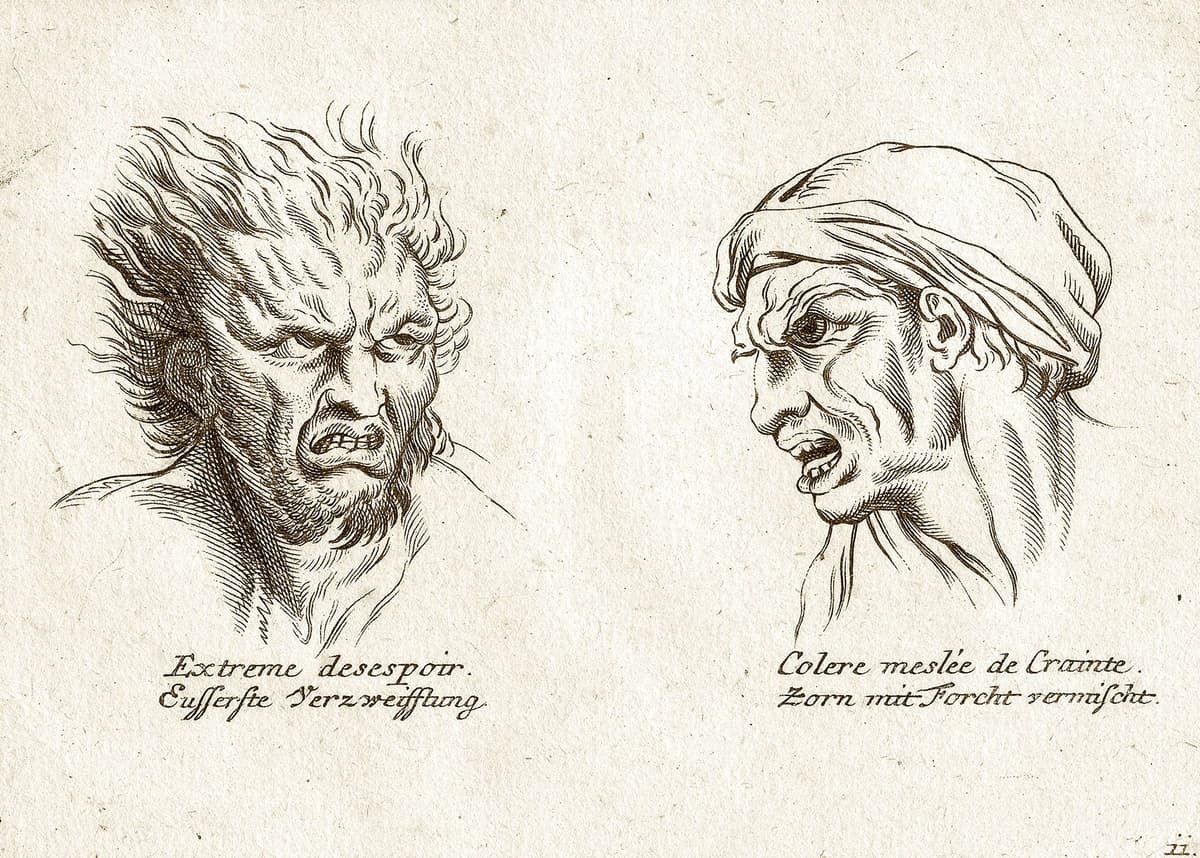
What is Trung Phu? Position in the Six Palaces System
In Eastern physiognomy, the face is divided into zones reflecting different life aspects. The Six Palaces system includes Thien Phu (between eyebrows), Nhan Phu (nose bridge), Dia Phu (chin), and Trung Phu (cheekbones).
Trung Phu refers to the two cheekbones, located centrally below the eye corners extending toward the ears. In physiognomy, this area reflects inner strength, ambition, control, and authority. An old saying goes: "Wealth is seen in the nose, nobility is seen in the cheekbones."
Characteristics of Good Trung Phu
High, full cheekbones
People with moderately raised, full cheekbones without overly protruding bones typically have strong will, decisiveness, and leadership qualities. They handle situations well and resist pressure. In careers, they often hold management or command positions.
Rosy, bright cheekbones
Skin color over the cheekbones matters. Rosy, bright Trung Phu without darkness indicates good fortune, robust health, and mental clarity. A sudden flush in this area may signal upcoming good news regarding career or wealth.
Harmony with other facial features
Balance between Trung Phu and other features is crucial. Cheekbones must harmonize with the nose (Nhan Phu) and chin (Dia Phu). High cheekbones with a low nose, or wide cheekbones with a pointed chin, suggest imbalance, leading to career obstacles despite talent. This harmony reflects stability between ambition (Trung Phu), execution ability (Nhan Phu), and sustaining achievements (Dia Phu).
Characteristics of Bad Trung Phu
Asymmetrical cheekbones
Uneven cheekbones, one higher or fuller than the other, indicate inconsistency, indecisiveness, and difficulty building trust. Such individuals may face relationship conflicts due to erratic emotions.
High cheekbones with hollow cheeks
Protruding bones with hollowed cheeks suggest great ambition but lack of support from others, leading to isolation in career paths. These individuals often bear pressure alone without necessary assistance.
Black moles or scars
Black, unsightly moles or scars on Trung Phu are considered disruptive. Depending on position, they may signal career obstacles or conflicts with colleagues and superiors.
Trung Phu and Gender Differences
Physiognomy traditionally distinguishes male and female cheekbone features based on gender role concepts.
In men
Men with high, full cheekbones are valued for leadership, career, and authority. They are ambitious, action-oriented, suitable for management, business, politics, or military roles. However, excessively large cheekbones may indicate stubbornness and authoritarian tendencies.
In women
Traditional views favor women with round, full cheekbones that do not protrude excessively, appearing gentle and fortunate. Women with overly high, bony cheekbones were historically considered strong-willed and difficult in marital families. Modern perspectives have shifted: high cheekbones in women now signify confidence, independence, leadership, and self-determination.
Trung Phu Combined with Other Factors
With the Five Senses
Cheekbones must be examined alongside eyes, nose, mouth, and ears. High cheekbones with bright, spirited eyes and a straight, full nose indicate comprehensive leadership qualities. Conversely, high cheekbones with dull eyes suggest ambition without capability.
With complexion
Facial complexion affects Trung Phu interpretation. A person with good cheekbone structure but dark, sickly complexion has currently poor fortune. Conversely, ordinary cheekbones with rosy complexion may indicate a prosperous period. Physiognomy is not static but changes with time and personal state.
Changes over time
Cheekbones evolve with age and lifestyle. In youth, they may be underdeveloped; by middle age, they often become fuller as career and personality crystallize. Conversely, previously full cheekbones that hollow due to illness or aging may signal declining energy and authority.
Conclusion
Trung Phu (cheekbones) in the Six Palaces system is an important physiognomy element reflecting will, ambition, leadership, and authority. However, physiognomy should be viewed objectively as one of many reference methods for self-understanding, not an absolute determinant of destiny. Everyone can cultivate and transform through effort, learning, and real-life experience.
