Introduction: The Power of Simplicity
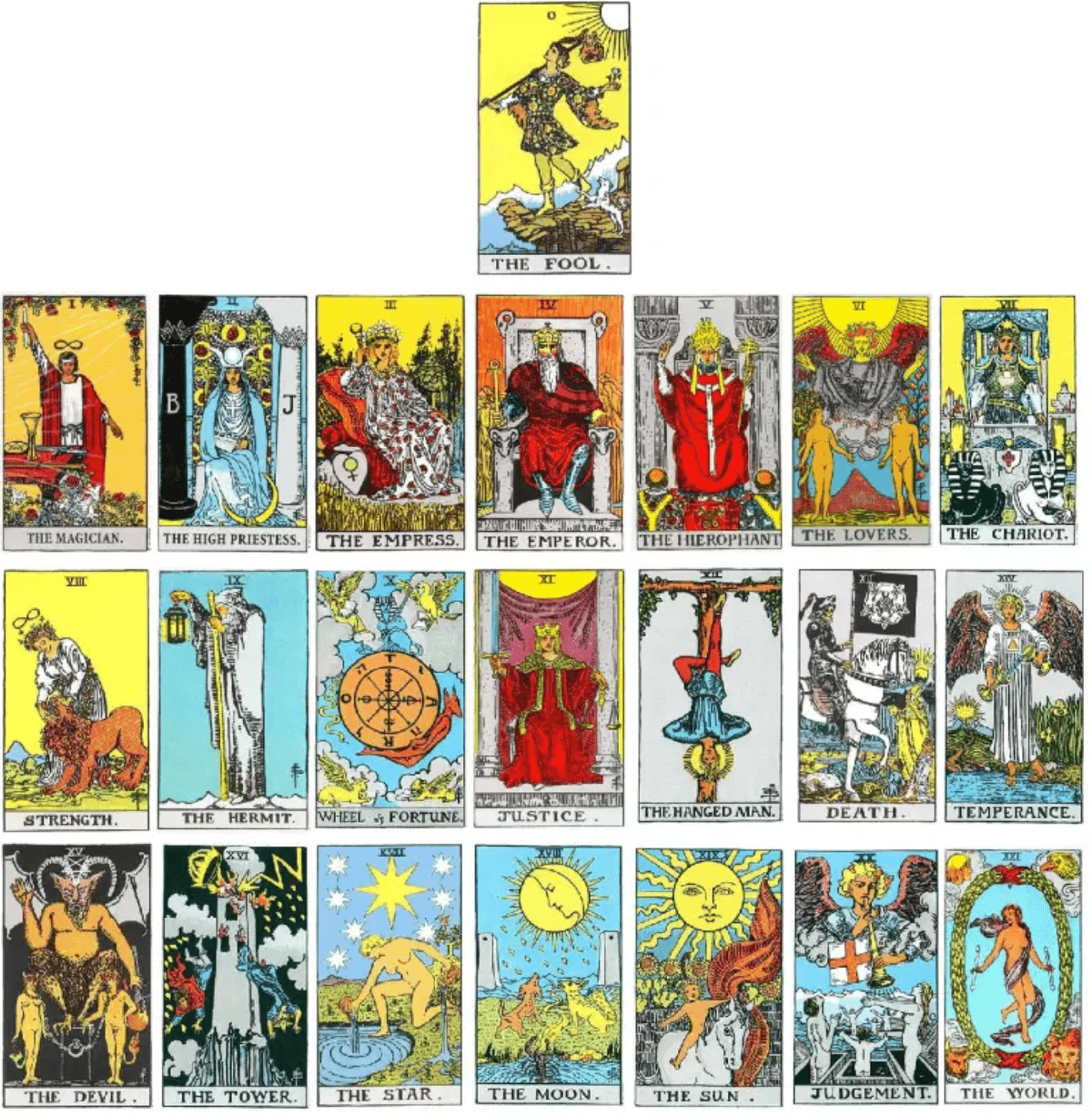
The one-card spread is the simplest and most accessible Tarot method, ideal for beginners. It focuses all energy on a single point, often used as a "daily draw" to establish a routine of reflection. Originating as a 15th-century Italian noble game, Tarot became a divination tool in 18th-century France. The 1909 Rider-Waite deck, with its detailed pictorial scenes on minor arcana, revolutionized reading by making interpretations more intuitive.
Essence of the One-Card Spread
This spread isn't just about drawing a card and reading its meaning; it's about identifying the core energy of the present moment. The single card acts as a mirror reflecting your inner state or offering a new perspective.
The Single Position and Its Meaning
The one position can have different layers of meaning depending on your question:
- Daily Energy: Represents the overall mood, energy, or potential lesson for the day. It's a suggestion, not a prophecy.
- Focus of the Issue: Highlights the most crucial element to focus on to understand a specific problem, such as a quality to cultivate or an obstacle.
- Advice: The card can serve as direct advice, suggesting a course of action or a new viewpoint.
How to Perform a One-Card Spread
1. Preparation
Find a quiet space, take a few deep breaths to center yourself, and connect with your deck.
2. Set a Question or Intention
Clearly define the focus. You might ask, "What do I need to know today?" or "What energy should I focus on for this project?" For a daily draw, simply set the intention to receive a message for a good day.
3. Shuffle and Draw
Shuffle slowly while holding your question in mind. When you feel ready, draw a single card from anywhere in the deck.
4. Observe and Interpret
Place the card down and observe the imagery. Note your first feelings, prominent symbols, and connections to your question. Combine visual cues with traditional meanings for a deeper interpretation.
Upright and Reversed Meanings
Upright
An upright card typically indicates the card's energy is expressed clearly and positively, encouraging you to embrace its qualities.
Reversed
A reversed card can be interpreted in three main ways:
- Blocked energy: The card's qualities are suppressed or not expressed properly.
- Internalized energy: The energy is being experienced internally, through reflection or processing.
- Excess or deficiency: You may be over-expressing or under-expressing the card's traits.
Practical Application and a Healthy Perspective
The one-card spread is excellent for developing intuition and self-awareness. However, maintain a balanced view. Psychologists warn against over-reliance, which can lead to passivity. Treat Tarot as a mirror for reflection, not an absolute truth.
Practice Tips
- Ask open-ended questions: Instead of "Will I get the job?", ask "What can I do to improve my chances?".
- Combine with reason: Use Tarot as a supportive tool, not a replacement for logical thinking and action.
- Appreciate the art: Take time to admire the imagery and story of each card, connecting with Tarot's artistic and historical value.
Conclusion
The one-card spread is a meaningful mini-journey into self-connection. It requires no esoteric knowledge, only stillness, an open heart, and a desire for self-understanding. With each card drawn, you receive a message and an opportunity to pause, observe, and listen to your inner voice.


