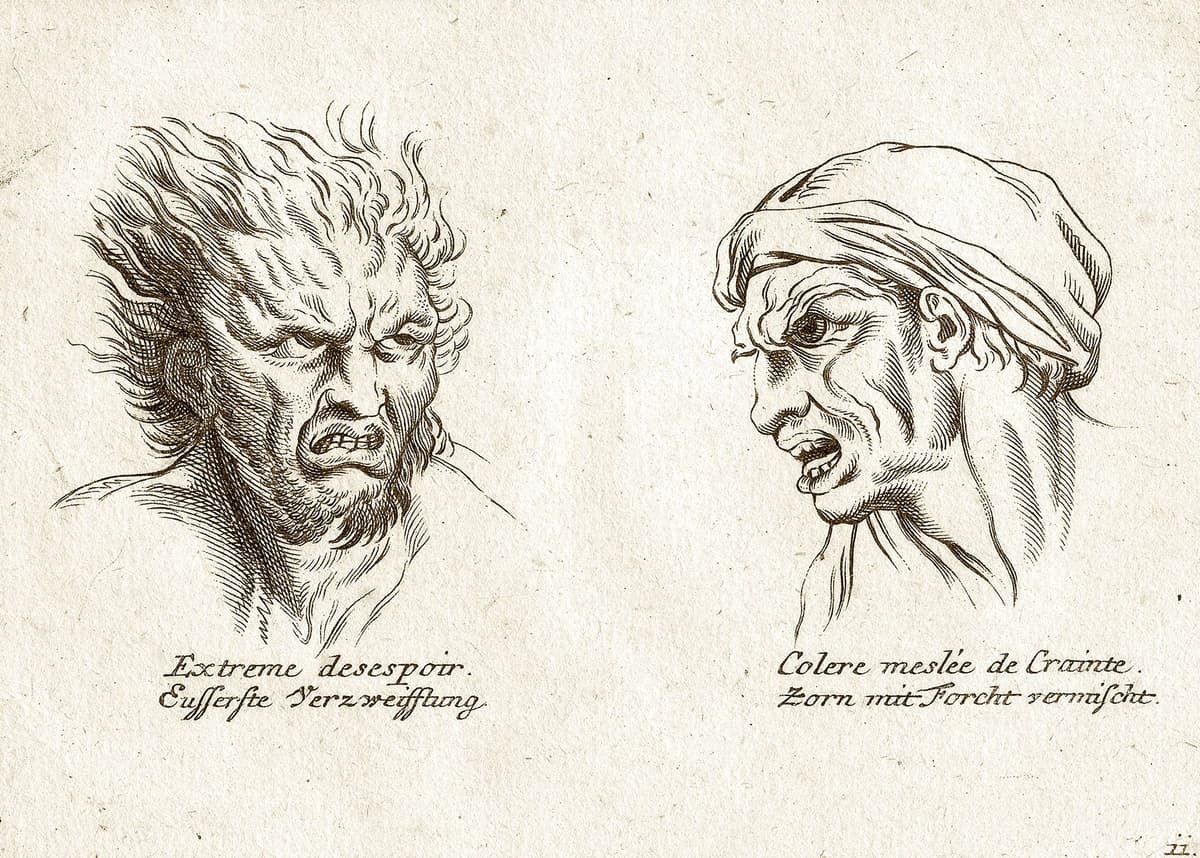
The Eyes in the Five Senses: Position and Role
In Eastern physiognomy, the Five Senses (Ngu Quan) include the ears (Thinh Quan), eyes (Giam Sat Quan), nose (Tham Bien Quan), mouth (Xuat Nap Quan), and eyebrows (Bao Tho Quan). The eyes are considered the Giam Sat Quan, the organ of observation and insight. Eye reading is not merely about aesthetic beauty; it reveals intelligence, willpower, emotions, and destiny.
Unlike other features, the eyes are assessed on multiple levels: shape, size, color, spacing, eyelids, eye tails, and especially spirit (the energy radiating from the gaze). Ancient wisdom says that the face mirrors the mind, and the eyes are the most direct reflection of one's inner self.
The Spirit of the Eyes: The Decisive Factor
In physiognomy, the spirit of the eyes matters more than their shape. Spiritual eyes are bright, clear, and have a sharp yet gentle gaze. People with good eye spirit are often lucid, decisive, and energetic, prone to success.
Conversely, dull, listless eyes suggest lethargy, lack of ambition, or current misfortune. However, one must distinguish pathological dullness from mental dullness. Physiognomy emphasizes that eye spirit can change over time with age, health, and mood.
Traditional classifications include:
- Tú spirit: bright but deep, far-sighted, common in wise, calm individuals.
- Bạo spirit: fierce, piercing gaze, often in hot-tempered, aggressive people.
- Tán spirit: wandering, unfocused, indicating indecisiveness.
- Uy spirit: authoritative gaze, inspiring respect, often in leaders.
Eye Shape and Size
Large Eyes
Large eyes usually indicate open-minded, emotional, empathetic people. They are extroverted, communicative, and artistic. However, if large eyes are spiritless (round, blank), the person may be gullible and indecisive.
Small Eyes
Small eyes are common in introverted, thoughtful people with keen observation. They are patient and meticulous, often succeeding in research or technical fields. But if small eyes are also squinting, the person may be calculating and closed-off.
Long Eyes (Phoenix Eyes)
Long eyes with slightly upturned tails, known as phoenix eyes, are considered noble. Such people are intelligent, sharp, visionary, and likely to reach high positions. Women with phoenix eyes are deemed assertive and independent.
Round Eyes
Round eyes give a youthful, innocent look. People with round eyes are straightforward and honest but sometimes impulsive and immature, easily showing emotions.
Triangular Eyes
Triangular eyes, especially with downward-pointing tails, indicate shrewdness, cunning, and diplomatic skill, but possibly insincerity. Other facial features must be considered for accurate interpretation.
Eye Color and Clarity
Physiognomy values the color of the iris and sclera.
- Iris: black, bright, and deep is auspicious, indicating depth and wisdom. Light brown or gray suggests superficiality and impatience.
- Sclera: clear with a slight bluish tint is healthy and pure. Cloudy or bloodshot eyes indicate stress, anger, or health issues.
- Eyes with three rings (prominent iris with dark outline): considered rare and noble, indicating strong intuition and leadership.
Light-colored eyes due to genetics are assessed differently, but dark eyes are traditionally favored.
Eye Spacing and Eyelids
Spacing between the eyes (the "root of the nose" area) is significant.
- Wide-set eyes: broad-minded, forgiving, but sometimes unfocused.
- Close-set eyes: decisive, detail-oriented, but may be narrow-minded and tense.
Eyelids:
- Single eyelid: calm, rational, less expressive, suited for objective work.
- Double eyelid: open, emotional, approachable. A clear double eyelid is beautiful, but if it droops over the iris, it indicates fatigue or bad luck.
Eye Tails and Surrounding Areas
The eye tail ("fish tail") turning up or down has meanings.
- Upturned tail: optimistic, ambitious, favored by benefactors. If excessively upturned, may be arrogant.
- Downturned tail: pessimistic, introspective, may face relationship obstacles, but is compassionate.
The area under the eyes reflects fortune in middle age. Full, rosy, and dark-circle-free indicates good fortune and respect from children. Hollow or dark suggests poor health and overwork.
Combination with Other Features
Eye reading is not isolated. Accurate interpretation requires combining with eyebrows, nose, ears, and overall body features. For example:
- Bright eyes with thick, slanted eyebrows: talented but hot-tempered, prone to conflict.
- Beautiful eyes with a crooked nose: talent may struggle to flourish.
- Spiritual eyes with large, thick-lobed ears: great fortune, longevity.
Physiognomy also stresses that features can change. A person who cultivates virtue will gradually have gentle, clear eyes, while a selfish, greedy person's eyes will become dull.
Limitations of Physiognomy
Physiognomy is a traditional observational art, not exact science. Evaluating a person must rely on real behavior, moral character, and effort. Beautiful or ugly eyes do not determine one's entire fate; they are one of many factors for self-understanding.
Applying physiognomy should involve critical thinking and avoid superstition. Everyone has the power to change their destiny through actions and thoughts.


