What Are Feng Shui Stones?
Feng shui stones are natural stones selected based on color, material, origin, and shape, with the belief that they can contribute to harmony in living spaces or one's spiritual life. This concept originates from traditional Eastern feng shui, where colors and materials are seen as linked to the Five Elements. However, it is important to note that this is traditional and reference knowledge, not scientifically verified. This article provides an overview of common approaches to help you see the big picture before diving into specific subtopics.
Do Feng Shui Stones Really Bring Good Luck?
This is a question many people care about. In folk beliefs, feng shui stones are thought to support mental well-being, create a sense of security, and balance. However, there is no scientific evidence confirming that feng shui stones directly bring wealth, health, or luck. Feng shui stone literature often emphasizes symbolic meaning and personal belief. Therefore, it should be seen as a cultural practice, not a guaranteed remedy. If you are interested in detailed articles about each type of stone and its meaning, the system will suggest them at the end of this article.
How to Choose Feng Shui Stones According to the Five Elements?
The Five Elements are Metal, Wood, Water, Fire, and Earth. Each element is associated with a group of colors and is believed to have generating and overcoming relationships. The general principle is to choose stones with colors that are generating or compatible with your destiny element. For example, Metal destiny people are often advised to use white, silver, or light yellow stones; Wood destiny people suit green; Water destiny people suit black and blue; Fire destiny people suit red, pink, and purple; Earth destiny people suit yellow and brown. This is a common approach with variations depending on the school. For more details on each element, you can refer to the in-depth article on feng shui stones by Five Elements destiny.
Is Choosing Stones by Zodiac Sign Reliable?
This is an extended branch combining Western astrology with Five Elements concepts. Each zodiac sign is assigned an element (Fire, Earth, Air, Water), and from that, suitable stone colors are derived. For instance, Aries (Fire) suits red and orange stones; Taurus (Earth) suits white, yellow, and brown; Gemini (Air) suits yellow, green, and white; Cancer (Water) suits white, blue, and black. This method is for reference and has no scientific basis, but it is popular because it is easy to look up. If you want to explore each sign in detail, you can see separate articles for each zodiac sign.
What Are Popular Feng Shui Stones and Their Meanings?
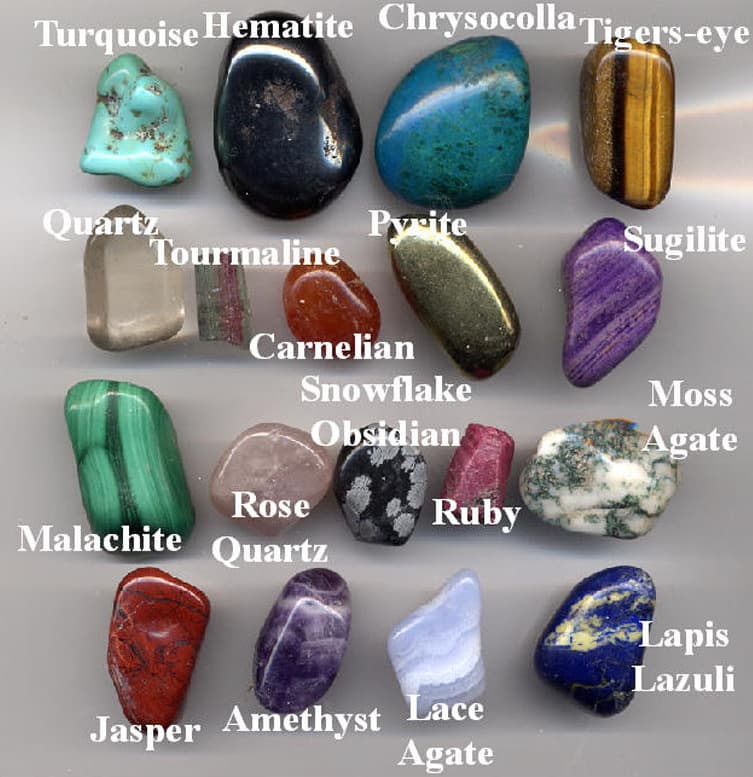
Quartz is the most common group, with many varieties: white quartz is often associated with cleansing, pink quartz with love, purple quartz with peace, and yellow quartz with wealth. Other stones include tiger's eye, agate, jade, ruby, sapphire, garnet, labradorite, and more. Each stone has its own color and properties, often assigned to a specific element. However, the specific meaning of each stone can vary by source. The overview article on quartz in feng shui will help you see it more systematically.
How to Clean and Cleanse Feng Shui Stones Properly?
Over time, feng shui stones can accumulate dust and lose their natural shine. Many believe they should be cleansed periodically with moonlight, salt water, smoke, or sound to release accumulated energy. However, some stones can be damaged if soaked in salt water or left in the sun for too long. Therefore, it is important to learn the characteristics of each stone before cleaning. This is a small but important topic for long-term stone care. The detailed article on cleaning and cleansing will provide specific guidance for each method.
Should You Choose Feng Shui Stones by Age?
Many people choose stones based on birth year and zodiac animal, often combined with Five Elements destiny. For example, if your birth year's stem and branch belong to a certain element, you prioritize stones of generating colors. However, this can lead to different interpretations because the same age can belong to different elements depending on the reference table. The key is not to be too rigid; personal preference and feeling are also considered important. If you want to look up by age or destiny, you can refer to in-depth articles on Five Elements and zodiac signs.
Conclusion
Feng shui stones are a diverse topic, intersecting traditional culture, astrology, and personal belief. Choosing stones can be based on Five Elements destiny, zodiac sign, or simply favorite colors. Whichever way you choose, remember that this is reference knowledge, not a substitute for decisions based on reason and science. Take time to explore each subtopic to find what suits you best.