


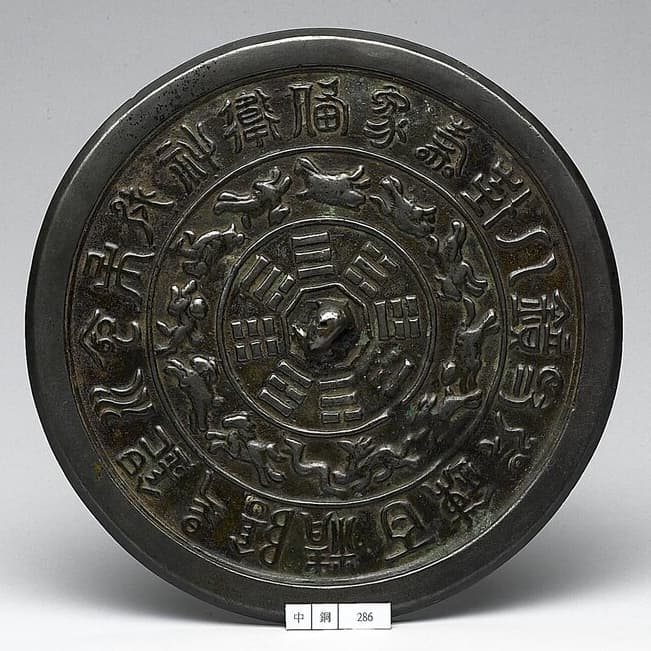
TL;DR: The Hexagram Huo Tian Da You (Great Possession) is the 14th hexagram in the I Ching order, with Li (Fire) above and Qian (Heaven) below; the hexagram text reads 大有:元亨. The article unfolds in four layers: the original text including the hexagram statement and six line statements, commentaries by Wang Bi and Zhu Xi, Nhật Nguyệt's interpretation, and today's suggestions. Nhật Nguyệt's suggestion: when asking about work, money, or leadership, one should view this as a time to maintain moderation and clarity, and not to overexert oneself.
What is the Hỏa Thiên Đại Hữu hexagram, and what number is it among the 64 hexagrams?
The Hỏa Thiên Đại Hữu (大有) hexagram is the 14th of the 64 hexagrams in the Zhou Yi ordering, with the upper trigram Ly (Fire) and the lower trigram Càn (Heaven). The name Đại Hữu means "great possession", referring to a period of holding many resources and much influence. The image of fire above heaven suggests illumination spreading far and wide, but the meaning of the hexagram depends on each layer of the text, and all of it should not be lumped into a single piece of advice.
How do the four layers of reading the Hỏa Thiên Đại Hữu hexagram differ?
According to rule 12 of Nhật Nguyệt, a hexagram should be read in four separate layers: the original text, named commentaries, the Nhật Nguyệt interpretation, and suggestions for today. Separating the layers helps readers distinguish what the ancient text actually recorded from what later generations inferred.
Layer one: the original text of the Hỏa Thiên Đại Hữu hexagram
The gua ci records: 大有:元亨 (Đại Hữu: yuan heng). Close translation: Đại Hữu, great success.
The line texts of the six lines:
- Sơ cửu line: 初九:无交害,匪咎,艱則无咎 (Sơ cửu: wu jiao hai, fei jiu, jian ze wu jiu). Close translation: not yet engaging in harmful contact, not a fault; if one knows hardship, then no fault.
- Cửu nhị line: 九二:大轝以載,有攸往,无咎 (Cửu nhị: da yu yi zai, you you wang, wu jiu). Close translation: a great cart carries the load, there is somewhere to go, no fault.
- Cửu tam line: 九三:公用亨于天子,小人弗克 (Cửu tam: gong yong heng yu tian zi, xiao ren fu ke). Close translation: a lord uses it to present offerings to the Son of Heaven; a petty person cannot bear it.
- Cửu tứ line: 九四:匪其尫,无咎 (Cửu tứ: fei qi wang, wu jiu). Close translation: not at the peak of his own prosperity, no fault.
- Lục ngũ line: 六五:厥孚交如,威如;吉 (Lục ngũ: jue fu jiao ru, wei ru; ji). Close translation: his trust interacts with others, he is dignified; auspicious.
- Thượng cửu line: 上九:自天佑之,吉无不利 (Thượng cửu: zi tian you zhi, ji wu bu li). Close translation: helped by heaven, auspicious, nothing is unfavorable.
The Tuan Zhuan (part of the Ten Wings) records: 大有,柔得尊位,大中而上下應之,曰大有。其德剛健而文明,應乎天而時行,是以元亨. Close translation: Đại Hữu: the yielding line attains the honorable position, is great and central, and those above and below respond to it, hence it is called Đại Hữu. Its virtue is firm and strong yet cultured and bright; it responds to heaven and acts in accord with the times, and therefore there is great success.
The Da Xiang (Xiang Zhuan) records: 火在天上,大有;君子以遏惡揚善,順天休命. Close translation: fire above heaven is Đại Hữu; the noble person accordingly restrains evil, promotes good, and follows heaven's good mandate.
Tradition attributes the Ten Wings to Confucius; modern scholarship places these commentaries between roughly the 5th and 2nd centuries BCE and does not regard them as proven to have been written by Confucius.
Layer two: named commentaries
Wang Bi's commentary on the gua ci: 不大通,何由得「大有」乎?「大有」則必元亨矣. Close translation: if there were no great success, how could one attain Đại Hữu? Once there is Đại Hữu, there must be great success.
Wang Bi's commentary on the Sơ cửu line: 以夫剛健為大有之始,不能履中,滿而不溢,術斯以往,後害必至。其欲匪咎,「艱則無咎也」. Close translation: taking firm strength as the beginning of the Đại Hữu period, one cannot yet tread the center; full but not overflowing, if one proceeds in this way, later harm will surely come. If one wants no fault, one must hold oneself with hardship in order to have no fault.
Wang Bi's commentary on the Cửu nhị line: 任重而不危 ... 健不違中,為五所任,任重不危,致遠不泥,故可以往而「無咎」也. Close translation: bearing a heavy load without danger; firm and strong yet not contrary to the center, trusted and employed by the fifth line; bearing a heavy load without danger, reaching far without getting stuck, and therefore one may go and have no fault.
Wang Bi's commentary on the Cửu tam line: 處「大有」之時,居下體之極,乘剛健之上,而履得其位,與五同功,威權之盛,莫此過焉。公用斯位,乃得通乎天子之道也。小人不克,害可待也. Close translation: in the time of Đại Hữu, at the top of the inner trigram, above a foundation of firm strength, attaining the proper position, sharing merit with the fifth line, no authority or power is more flourishing than this. Only a lord in that position can communicate with the way of the Son of Heaven. A petty person cannot bear it, and harm can be expected.
Wang Bi's commentary on the Cửu tứ line: 既失其位,而上近至尊之威,下比分權之臣,其為懼也,可謂危矣。唯夫有聖知者,乃能免斯咎也。三雖至盛,五不可舍,能辯斯數,專心承五,常匪其旁,則「無咎」矣。旁謂三也. Close translation: having lost one's position, above near the majesty of the supreme honored one, below ranked with ministers who divide power, the fear involved can be called dangerous. Only one with sagely wisdom can avoid this fault. Though the third line is extremely flourishing, the fifth line cannot be abandoned; if one can discern this pattern and focus one's heart on serving the fifth line, constantly not siding with what is beside, then there is no fault. "Beside" refers to the third line.
Wang Bi's commentary on the Lục ngũ line: 君尊以柔,處大以中,無私於物,上下應之,信以發志,故其孚交如也。夫不私於物,物亦公焉。不疑於物,物亦誠焉。既公且信,何難何備?不言而教行,何為而不威如?為「大有」之主,而不以此道,吉可得乎? Close translation: the ruler is honored yet uses yieldingness, occupies greatness yet keeps to the center, is without selfish partiality toward things, and those above and below respond to him; trust issues from his will, and therefore his trust interacts with others. When one is not selfishly partial toward things, things are also impartial toward him. When one does not doubt things, things are also sincere toward him. Being both impartial and trustworthy, what hardship is there, what precaution is needed? Without speaking, teaching is carried out; how could he not be dignified? As the master of Đại Hữu, if one does not follow this way, can auspiciousness be attained?
Wang Bi's commentary on the Thượng cửu line: 「大有」,豐富之世也。處「大有」之上而不累於位,志尚乎賢者也。餘爻皆乘剛,而巳獨乘柔順也。五為信德,而巳履焉,履信之謂也。雖不能體柔,而以剛乘柔,思順之義也。居豐有之世,而不以物累其心,高尚其志,尚賢者也。爻有三德,盡夫助道,故《系辭》具焉. Close translation: Đại Hữu is an age of abundance. Being above Đại Hữu yet not weighed down by position, one's aspiration is toward the worthy. The other lines all ride firmness, while this one alone rides yielding compliance. The fifth line is the virtue of trust, and this line follows it; this is what is meant by 履信 (practicing trust). Though it cannot embody yieldingness, it uses firmness to ride yieldingness, which is the meaning of contemplating compliance. Dwelling in an age of abundance yet not letting things burden one's mind, raising one's aspiration high, this is honoring the worthy. The line has three virtues, fully encompassing the way of assistance, and therefore the Xi Ci records them fully.
Zhu Xi (Zhou Yi Ben Yi) comments on the gua ci: 大有所有之大也離居乾上火在天上无所不照又六五一隂居尊得中而五陽應之故為大有乾健離明居尊應天有亨之道占者有其德則大善而亨也. Close translation: Đại Hữu means the greatness of what is possessed. Ly dwells above Càn; fire above heaven illuminates everywhere. Moreover, the Lục ngũ line, one yin line, dwells in the honored position, attains the center, and the five yang lines respond to it, and therefore it is Đại Hữu. Càn is firm, Ly is bright; dwelling in the honored position and responding to heaven, there is a way of success. If the diviner has this virtue, then there is great goodness and success.
Zhu Xi comments on the Sơ cửu line: 雖當大有之時然以陽居下上无係應而在事初未涉乎害者也何咎之有然亦必艱以處之則无咎戒占者宜如是也. Close translation: though it is in the time of Đại Hữu, it uses yang to dwell below, has no connection or response above, and is at the beginning of affairs, not yet involved in harm. What fault is there? Yet one must also handle things with hardship, and then there is no fault. The diviner is warned that it is fitting to be like this.
Zhu Xi comments on the Cửu nhị line: 剛中在下得應乎上為大車以載之象有所往而如是可以无咎矣占者必有此德乃應其占也. Close translation: firm and central below, obtaining a response above, this is the image of a great cart carrying a load. If there is somewhere to go and it is like this, then there can be no fault. The diviner must surely have this virtue for it to match the divination.
Zhu Xi comments on the Cửu tam line: 亨春秋傳作享謂朝獻也古者亨通之亨享獻之享烹餁之烹皆作亨字九三居下之上公侯之象剛而得正上有六五之君虛中下賢故為亨于天子之象占者有其德則其占如是小人无剛正之徳則雖得此爻不能當也. Close translation: the character 亨 in the Chun Qiu Zhuan is written 享, meaning to present offerings at court. In ancient times, 亨 meaning success, 享 meaning offering, and 烹 meaning cooking were all written with the character 亨. Cửu tam dwells above the inner trigram, an image of a lord or marquis; firm and attaining correctness, above it there is the ruler Lục ngũ who is empty and central and humbles himself before the worthy, and therefore it is the image of presenting offerings to the Son of Heaven. If the diviner has this virtue, then the divination is like this; a petty person without the virtue of firm correctness, even if he obtains this line, cannot bear it.
Zhu Xi comments on the Cửu tứ line: 彭蒲光反音旁○彭字音義未詳程傳曰盛貌理或當然六五柔中之君九四以剛近之有僭逼之嫌然以其處柔也故有不極其盛之象而得无咎戒占者宜如是也. Close translation: the character 彭 has the fan qie pu guang, pronounced bang. The sound and meaning of the character 彭 are not clear; the Cheng commentary says it means a flourishing appearance, which may be reasonable. Lục ngũ is a yielding and central ruler; Cửu tứ uses firmness to be near it, which raises suspicion of usurpation and pressure, but because its place is yielding, there is the image of not reaching full flourishing and thus obtaining no fault. The diviner is warned that it is fitting to be like this.
Zhu Xi comments on the Lục ngũ line: 大有之世柔順而中以處尊位虛己以應九二之賢而上下歸之是其孚信之交也然君道貴剛太柔則廢當以威濟之則吉故其象占如此亦戒辭也. Close translation: in the age of Đại Hữu, yielding and compliant yet central, dwelling in the honored position, emptying oneself to respond to the worthy Cửu nhị, and those above and below return to him; this is the interaction of his trust. But the way of a ruler values firmness; too much yieldingness leads to ruin, and one should supplement it with dignity, and then there is good fortune. Therefore the image and divination are like this, and it is also a warning.
Zhu Xi comments on the Xiao Xiang for the Lục ngũ line: 易以䜴反○太柔則人将易之而无畏備之心. Close translation: the character 易 has the fan qie yi. If one is too yielding, people will treat one lightly and have no heart of fear or precaution.
Zhu Xi comments on the Thượng cửu line: 大有之世以剛居上而能下從六五是能履信思順而尚賢也滿而不溢故其占如此. Close translation: in the age of Đại Hữu, using firmness to dwell above yet able to follow Lục ngũ below, this is being able to practice trust, contemplate compliance, and honor the worthy. Full but not overflowing, and therefore the divination is like this.
Layer three: the Nhật Nguyệt interpretation
In the Nhật Nguyệt interpretation, the Hỏa Thiên Đại Hữu hexagram stands out because the Lục ngũ line is the only yin line, holding the honored position among five yang lines. This structure suggests a situation in which resources and attention flow toward a single point, and that point must be soft in order to keep the balance. Ly above Càn gives the image of fire shining above heaven, but the wider the light, the greater the responsibility to examine. This is a modern reading, not the words of the ancient text.
Layer four: suggestions for today
Nhật Nguyệt's suggestion: when asking about work and encountering this hexagram, it can be seen as a time to accept a heavy responsibility if a foundation is already in place, but one must keep the sense of hardship as Wang Bi's commentary on the Sơ cửu line says. Nhật Nguyệt's suggestion: when asking about love, the structure of one yin among five yang suggests keeping fairness among relationships and avoiding letting one side dominate. Nhật Nguyệt's suggestion: when asking about money, the Cửu tam and Cửu tứ lines are the two positions adjacent to the honored seat, requiring transparency rather than display. Nhật Nguyệt's suggestion: when asking about health, this is a time to pay attention to moderation and not to overexert oneself. Nhật Nguyệt's suggestion: for a leader, too much yieldingness means those below will treat him lightly, and dignity is needed to supplement it.
When encountering the Hỏa Thiên Đại Hữu hexagram while asking about work, how should it be understood?
The Cửu nhị line in Wang Bi's commentary is a heavy load without danger, trusted and employed by the fifth line, and therefore one can go forward without fault. If one is at the stage of taking on a great task, the structure of the hexagram suggests that ability must come with central balance. This is the Nhật Nguyệt reading, not advice given by the hexagram.
The Cửu tam line in Zhu Xi's commentary emphasizes that the character 亨 here should be read as 享, meaning to present offerings at court, and that a petty person cannot bear it. This is the social context of ancient times, when ruler-minister relations and the rites of court offerings were the norm; it should not be turned directly into advice for workplace relationships today.
What is the line structure of the Hỏa Thiên Đại Hữu hexagram?
The six lines from bottom to top: Sơ cửu yang, Cửu nhị yang, Cửu tam yang, Cửu tứ yang, Lục ngũ yin, Thượng cửu yang. Only the fifth line is yin, holding the honored position. This is the key point that both Wang Bi and Zhu Xi emphasize in their commentaries.
| Position | Line name | Yin or yang | Note |
|---|---|---|---|
| 1 | Sơ cửu | Yang | Beginning of the Đại Hữu period, not yet following the center |
| 2 | Cửu nhị | Yang | Firm and central below, responding to the fifth line |
| 3 | Cửu tam | Yang | Top of the inner trigram, image of a lord or marquis |
| 4 | Cửu tứ | Yang | Near the honored position, suspected of usurpation and pressure |
| 5 | Lục ngũ | Yin | Honored position, attaining the center, master of Đại Hữu |
| 6 | Thượng cửu | Yang | At the very top, not weighed down by position |
Quick reference table: the Hỏa Thiên Đại Hữu hexagram
| Aspect | Content |
|---|---|
| Number among the 64 hexagrams | 14 |
| Chinese character name | 大有 |
| Symbol | ䷍ |
| English name | Possession in Great Measure |
| Upper trigram (outer trigram) | Ly (Fire), element Fire, direction South |
| Lower trigram (inner trigram) | Càn (Heaven), element Metal, direction Northwest |
| Six lines, with the first line at the bottom | first yang, second yang, third yang, fourth yang, fifth yin, top yang |
| Image | Fire above heaven, shining in all four directions. |
| Interpretation | An image for a time of holding much, both in resources and in influence. The ancients linked this hexagram with responsibility accompanying possession. Whether it lasts depends on humility and a willingness to share. |
The data in the table matches the results of the lookup tools on Nhật Nguyệt.
How does the Hỏa Thiên Đại Hữu hexagram differ from its neighboring hexagrams?
In the Zhou Yi ordering, hexagram 13 is Thiên Hỏa Đồng Nhân, and hexagram 14 is Hỏa Thiên Đại Hữu. The two hexagrams are inversions of each other: Đồng Nhân has Ly below and Càn above, while Đại Hữu has Càn below and Ly above. This is the inverted-hexagram relationship in the traditional arrangement of the 64 hexagrams.
Overview article on the topic: The I Ching and the 64 hexagrams
*This article is for reference on ancient texts and the commentarial tradition, and is not intended to offer advice on destiny, finance or health.*


