Housewarming Ritual (Nhập Trạch) for a New Home: Offerings and Step-by-Step Procedure
Nhập trạch (housewarming ritual) is a common Vietnamese folk practice to ask the land deity and ancestors for permission to reside in a new home. This guide provides a general procedure based on common customs, but keep in mind that regional and family variations exist.
Preparing Offerings
- Incense and candles.
- Fresh flowers (chrysanthemums, roses, or gladioli).
- Betel leaves and areca nuts.
- White wine or sticky rice wine.
- Clean water or tea.
- Rice and salt (small bowls or bags).
- Sweets, tea, and tobacco (optional).
- A tray of five fruits (bananas, pomelo, oranges, apples, mangoes, etc.).
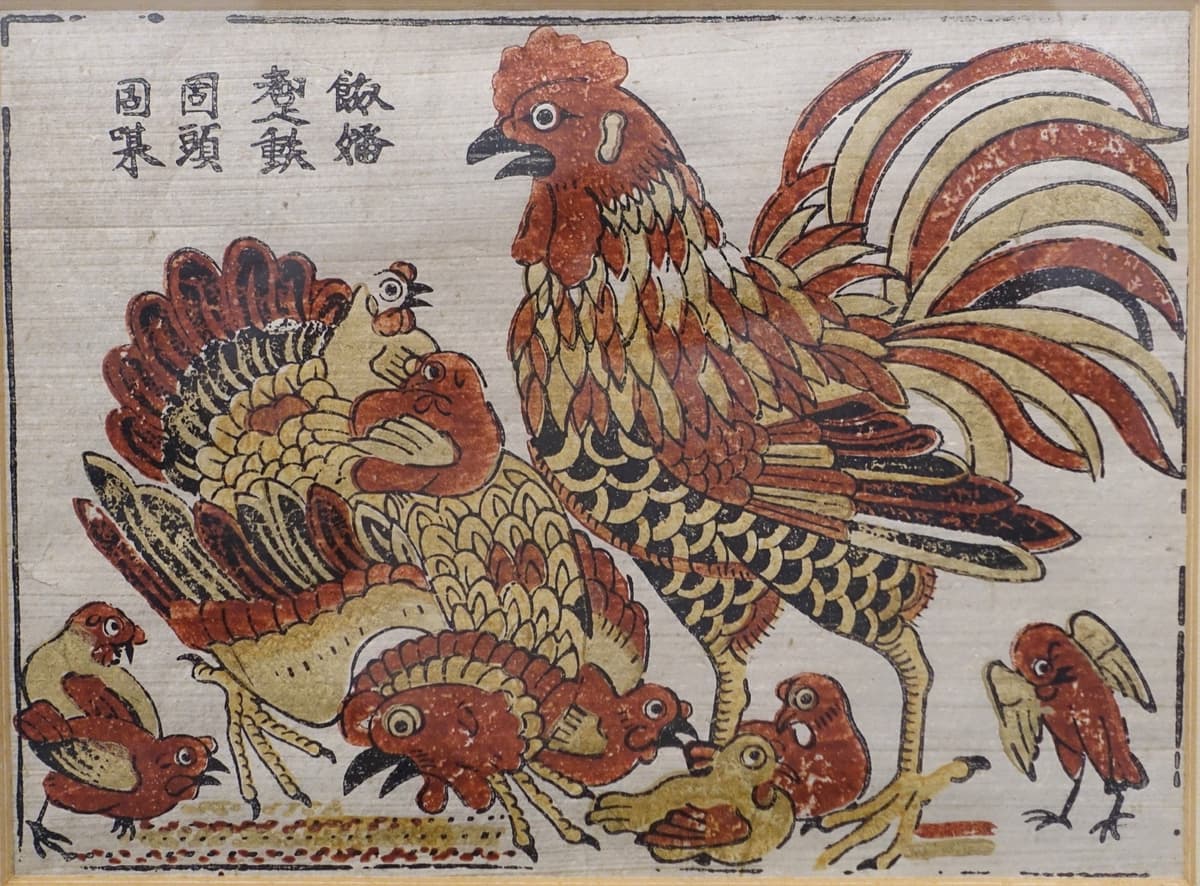
- A boiled rooster or boiled pork (if a meat offering is preferred).
- Paper money and votive papers (to be burned later, with safety precautions).
Also prepare bowls, plates, cups, chopsticks, a small table or tray, and a prayer text (printed or handwritten).
Arranging the Offering Tray
Place the tray on the ancestral altar or a clean table in the center of the house, facing the main door. Arrange as follows:
- Incense in the middle, candles on both sides.
- Flowers on the right, fruit tray on the left (from the viewer's perspective).
- Betel nuts, wine, water, rice and salt, and sweets in front.
- If using a rooster, place it on a plate with its head raised, optionally with a rose in its beak.
- Votive papers placed separately.
Step-by-Step Procedure
Step 1: Choose an Auspicious Date
Select a good date and time (hoàng đạo) using a lunar calendar or consulting a feng shui master. If not possible, choose a clear day when all family members are available.
Step 2: Prepare the House
Clean the new home thoroughly before the ceremony. Large furniture can be moved in earlier, but according to tradition, turning on electricity, boiling water, and bringing in daily-use items are done after the ritual.
Step 3: Perform the Ceremony
Light incense and candles, then read the prayer (summarized: ask the land deity and ancestors for permission, and pray for peace, luck, and prosperity). Pray with sincerity and a clear voice.
Step 4: Burn Votive Papers and Finish
After the incense has burned for about 30-45 minutes (about two-thirds), bow and then burn the votive papers in a safe place, away from flammable materials. Always supervise the burning and wait until ashes are completely cool before disposing of them.
Step 5: Symbolic Actions
After the ritual, perform symbolic acts for a fresh start:
- Turn on all lights in the house.
- Boil water or turn on the stove.
- Turn on fans or air conditioning.
- Open windows and doors.
- Bring in personal belongings and arrange them neatly.
Summary of the Prayer
If you don't have a set prayer, you can compose one with these points:
- Pay respect to the deities of the land.
- Pay respect to ancestors.
- State the date, the homeowner's name, and the new address.
- Ask for blessings of peace, health, and prosperity.
- Present the offerings with sincerity.
Important Notes
- Rituals may differ by region and family; consult elders or local priests if unsure.
- The essence is sincerity and careful preparation, not rigid formality.
- Always practice fire safety when burning incense, candles, or votive papers.
- If your family does not follow this tradition, you can simplify or skip the ceremony.
- After the ritual, maintain a clean and harmonious home to continue the positive spirit.
Nhập trạch is not only a spiritual act but also a time for family to come together and start a new life. We hope this guide helps you perform the ritual meaningfully.