Hue Tet Feast: Echoes of Royal Cuisine in the Lunar New Year Meal
For the people of Hue, Tet is not just a time for rest and family reunions but also a sacred period to remember ancestors and give thanks to heaven and earth. In this space, the Tet feast stands out as a unique cultural symbol, where the essence of royal cuisine converges with the soul of folk culture.
The Philosophy of the Feast: Frugality and Elegance, Harmony and Transformation
Hue's cultural foundation was built on a traditional rice agriculture that was often challenging. From this, the ancients cleverly turned the feast into a philosophy of being frugal yet elegant. Frugality means saving and choosing seasonal ingredients based on one's means. Yet, from this saving, they still created elegance and sophistication in preparation and presentation. This spirit is shown through the principle of "depending on family customs," where the amount varies with family circumstances, but sincerity is paramount.
The concepts of Harmony and Transformation add further depth. Harmony involves a balance in nutrition, color, materials, and dining context. Transformation is the flexible, diverse adaptation in cooking methods. This explains why the royal 'nem cong cha phuong' dish, originally made from peacock and pheasant, was replaced in the folk version with chicken, duck, or even vegetarian ingredients like tofu, mushrooms, and jackfruit. This adaptation doesn't diminish its value but makes Hue's cuisine more accessible and distinctive.
A Convergence of Essence and Unique Arrangement
The New Year's Eve offering feast in the ancient capital brings together ingredients from livestock, poultry, seafood, and vegetables. Dishes are prepared using various methods, from raw, fermented, and pickled to fried, steamed, stewed, braised, and grilled. This diversity creates a rich and complete culinary picture.
The unique highlight is the arrangement. The central position is reserved for soup or stew pots, embodying the concept of "water gathering," a feng shui element for prosperity. Dry dishes with meat and fish are placed around them, with stir-fried dishes on the outer edge. A sophisticated system of dipping sauces accompanies each dish. The array of colorful garnishes like chilies, garlic, and herbs on small plates, called "pham vi," shows meticulous attention to detail.
Historical accounts by J.Barrow in his 1792-1793 travelogue noted the unique dining style of the Hue people. Unlike the Chinese who placed dishes flat on the table, the Hue people stacked bowls and plates up to three or four layers, sometimes over 200 pieces, creating a display of remarkable abundance and refinement. This is a clear echo of royal culinary style ingrained in the local lifestyle.
Symbols of Devotion and Aspiration
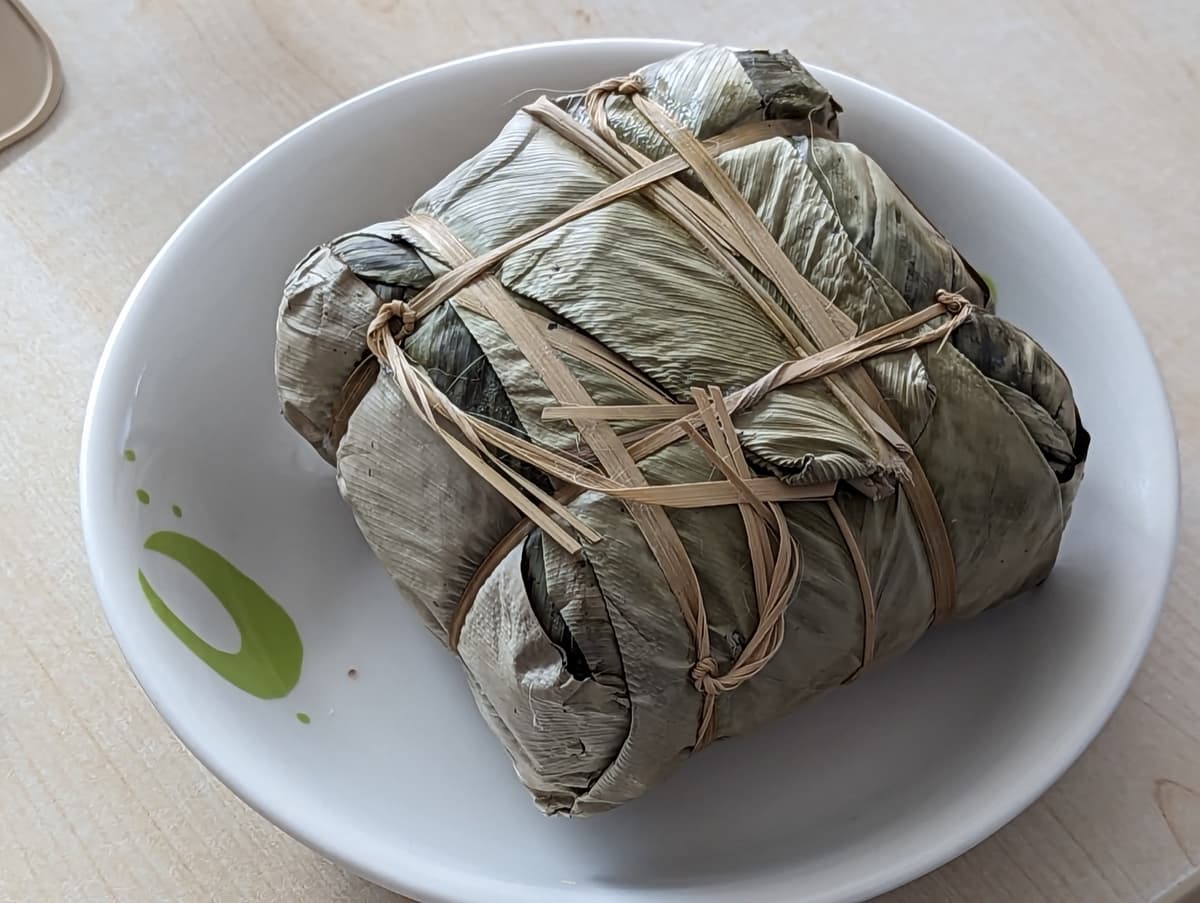
The Tet feast is also a symbol of filial piety and a bridge between the living and the dead. After the New Year's Eve ceremony, ancestors are invited to stay and celebrate Tet. Descendants prepare meals and offer symbolic foods like banh chung, banh tet, and various sweets. The arrangement on the altar also carries meaning: flowers on the left symbolize women and their aspirations, while a fruit platter on the right, centered around a ripe bunch of bananas and multi-seeded fruits, represents men and the desire for strong family growth.
A Lasting Beauty in Modern Life
In modern times, many families opt for pre-made dishes to save time. However, the core values of the Hue Tet feast are still preserved: sincerity towards ancestors, family unity, and careful attention to detail. Maintaining these traditions is not just about preserving cultural beauty but also about understanding our roots and the profound humanistic values left by our forefathers. The Hue Tet feast, with its philosophy of frugality, elegance, harmony, and transformation, transcends a simple meal to become a living cultural heritage, deserving of Hue's reputation as a "culinary capital."


