What Makes Vietnamese Traditional Cuisine Distinctive Across Regions?
Vietnamese traditional cuisine is distinctive across regions through a combination of local ingredients, cooking techniques and cultural rituals. The North often emphasizes refinement and balance; the Central region is bold and elaborate; the South is generous and sweet. In addition, ethnic minorities such as the Tay, S'tieng, Cho Ro and Central Highlanders contribute unique features tied to festivals and beliefs. This is traditional knowledge for reference, not scientifically verified, and should not be seen as a promise of fortune, health or marriage.
Why Is Vietnamese Cuisine Clearly Divided by Region?
The division stems from natural conditions, climate, farming practices and historical cultural exchange. The North has four distinct seasons and abundant fresh water, favorable for rice, vegetables and light dishes. The Central region has narrow land, proximity to the sea and harsh weather, so dishes are often bold, spicy and use seafood and spices. The South has rivers, fertile plains and a hot, humid climate year-round, creating sweet, rich flavors and abundant produce. These factors shape each region's identity while also creating cross-cultural exchange during Tet and ancestral ceremonies.
How Do Tet Trays Differ Between Regions?
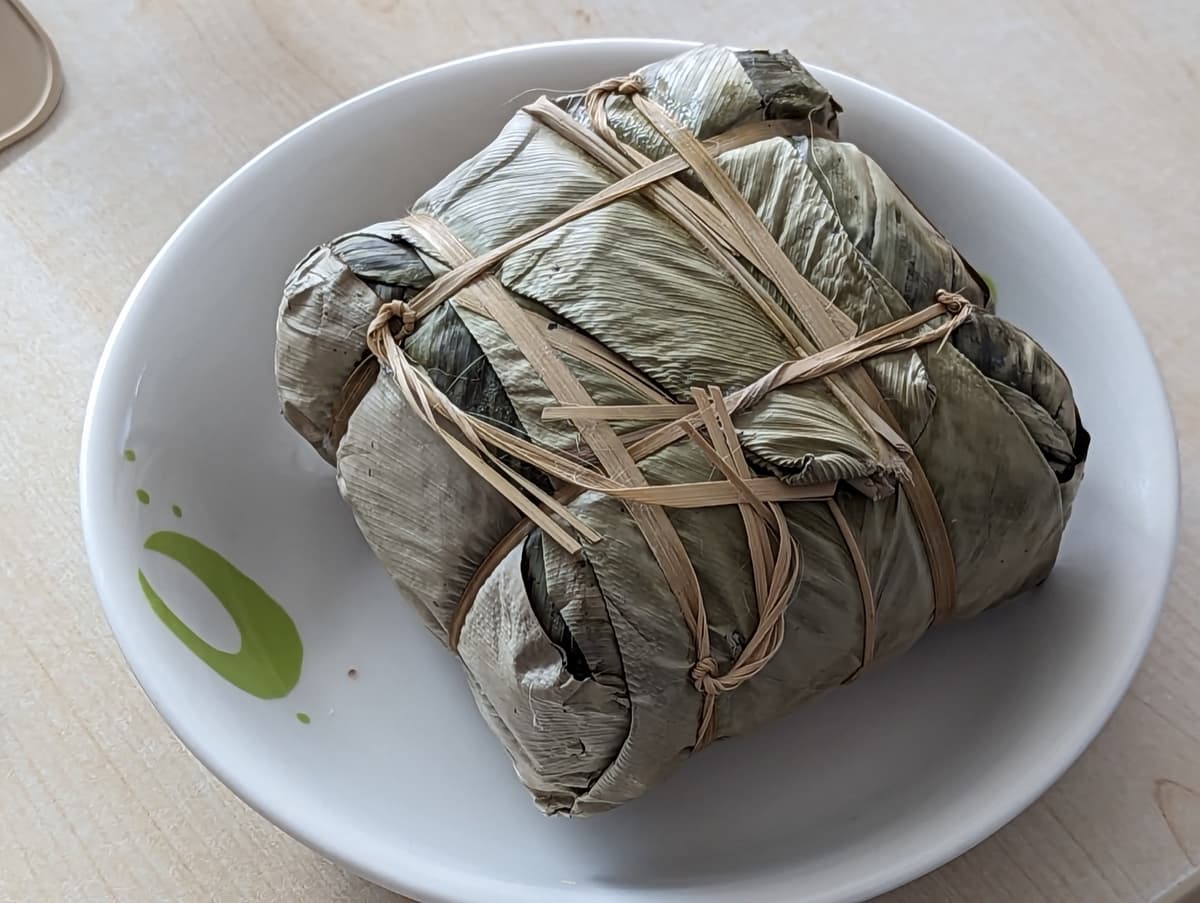
The Tet tray is where regional differences are most evident. The North cannot do without banh chung, meat jelly, gio lua, bamboo shoot soup and pickled onions, presented solemnly and delicately. The Central region, especially Hue, is famous for Tet trays with royal flavors, emphasizing harmony and sophistication in each dish. The South prefers banh tet, braised pork with eggs, pickled scallions and sweet rich dishes, expressing reunion and abundance. Each region chooses dishes based on available ingredients and cultural concepts. These are beautiful traditions, not factors that determine luck or success in the new year.
What Do the Five-Fruit Tray and Tet Dishes Mean in Vietnamese Culture?
The five-fruit tray is not only an offering to ancestors but also contains the household's wishes through each fruit. Bananas symbolize togetherness, pomelos wish for good things, peaches bring luck. Besides, banh chung and banh tet are linked to the legend of Lang Lieu during the Hung Kings era, symbolizing heaven and earth and abundance. These dishes have become cultural symbols, connecting the community during the most important festival of the year. However, they should be seen as spiritual values, not tools to guarantee fortune or luck.
What Is Special About Dishes in Festivals and Spiritual Rituals?
In spiritual life, food plays a central role. The seventh lunar month has three trays: offering to Buddha with pure vegetarian food, to ancestors with a full savory tray, and to wandering souls with separate offerings. On the third day of the third lunar month, Vietnamese offer banh troi and banh chay to honor ancestors. Ancestral ceremony trays also show regional characteristics: the North is formal, the Central is elaborate, the South is generous. In the Central Highlands, ruou can is an offering to gods and a bond of community. The S'tieng have a unique technique of making ruou can with yeast from forest leaves and bark. These are cultural rituals, not methods to pray for fortune or health.
What Are the Unique Features of Ethnic Minority Cuisine?
Ethnic minorities contribute unique nuances to Vietnamese cuisine. The Tay have five-color sticky rice, not only a dish but a symbol of yin-yang and five elements philosophy, often appearing in the Long Tong festival. The Cho Ro consider cuisine central to cultural festivals, reflecting life and beliefs. Central Highlanders associate ruou can with rituals of communication with spirits. These dishes are often tied to natural ingredients, traditional techniques and festival spaces, creating distinct identities. Learning about them helps us understand cultural diversity, but they should not be seen as formulas for luck or health.
Should One Avoid Certain Foods at the Beginning of the Year According to Folk Beliefs?
Many Vietnamese families avoid certain foods at the start of the new year such as duck meat, squid, bananas, shrimp, snails and balut because they are associated with bad luck or failure. This is folk belief for reference, without scientific verification. Whether to avoid them depends on regional customs and personal views. What matters is keeping a joyful, reunited atmosphere during Tet, rather than worrying too much about things that may not happen. Folk beliefs should not become pressure or promises of luck.
How Can One Learn More About Vietnamese Traditional Cuisine?
To understand more deeply, readers can start from sub-topics such as Tet and festival dishes, ancestral ceremony trays, ethnic minority cuisine and regional specialties. Each sub-topic has detailed articles on the site, covering origins, cultural meanings and preparation methods. One should approach with an open mind, clearly distinguishing cultural values from spiritual beliefs. This is traditional knowledge, which may vary between localities and should not be seen as absolute guidance for all situations. Learning helps preserve and appreciate culinary heritage while avoiding misunderstanding or misusing beliefs for inappropriate purposes.