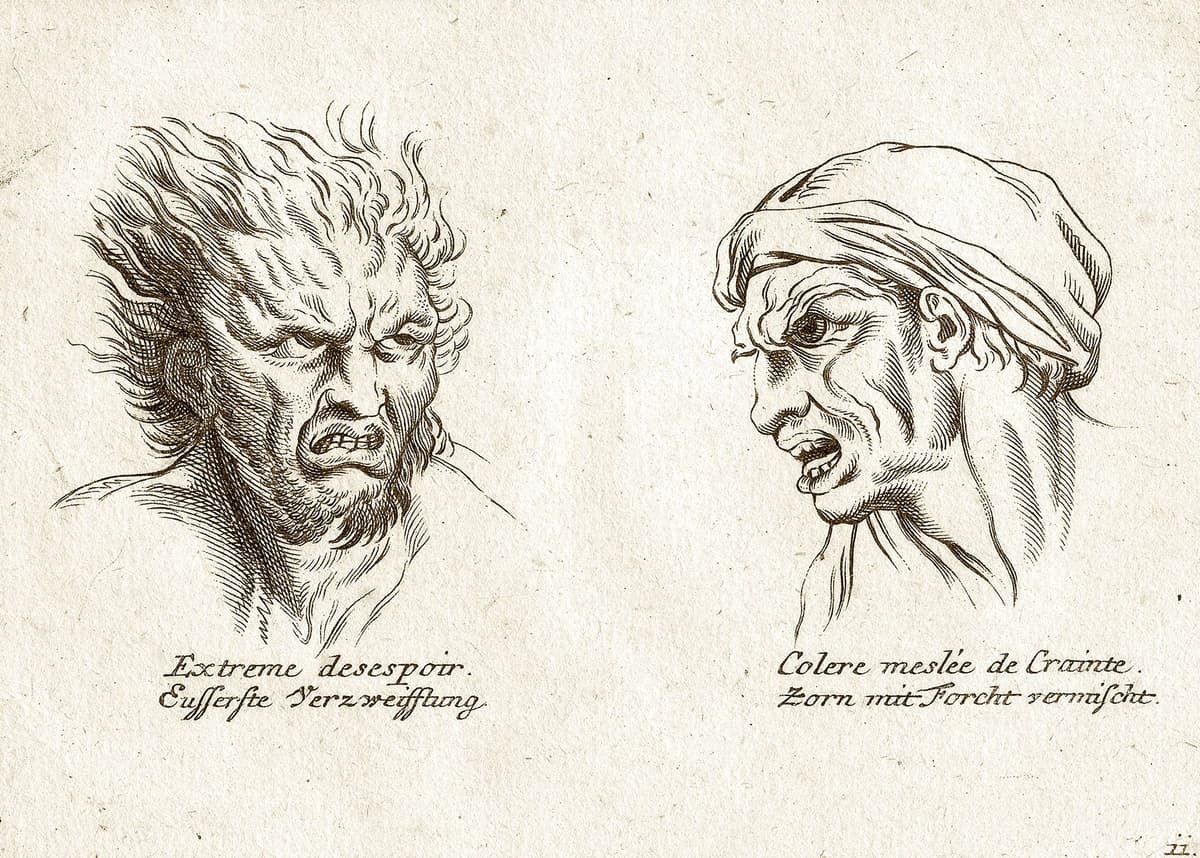
Overview of Forehead Reading in Physiognomy
In Eastern physiognomy, the face is divided into Three Regions (Tam Dinh) to interpret life stages. The Upper Region – from the hairline to the eyebrows – is the forehead, representing childhood and roughly ages 15–30. The forehead is considered the seat of intellect and spirit, reflecting one's relationship with parents, learning ability, and logical thinking.
According to Mian Xiang (face reading), the forehead is a key indicator of a person's potential. A good forehead suggests intelligence, clarity, and support from mentors, leading to success in early adulthood. Conversely, a poor forehead may indicate struggles in youth or lack of family backing.
Detailed Zones of the Forehead
- Central (Yin Tang): Between the eyebrows, representing career and luck. A wide, clear area without disruptive wrinkles suggests a smooth career and favor from superiors.
- Parents Palace: Sides of the forehead near the temples, reflecting relationship with parents and inherited blessings. Full sides indicate loving and supportive parents.
- Official Palace: Upper middle of the forehead, below the hairline. A high, broad, and bright area suggests potential for status and honor.
- Travel Palace: Corners of the forehead near the hairline. Good features here indicate safe and fortunate journeys.
Forehead Shapes and Personality Traits
High and Broad Forehead
A high, broad, and full forehead is associated with intelligence, far-sightedness, and analytical ability. Such individuals often excel in intellectual fields like research, science, or management. However, if excessively high, it may imply arrogance or a controlling nature.
Low and Narrow Forehead
A low, narrow forehead suggests slower thinking, indecisiveness, and susceptibility to others' influence. These individuals may face difficulties in academics and career advancement. Yet, if combined with other good features like bright eyes and a full nose, diligence can compensate.
Sloping Forehead
A sloped forehead is often linked to impulsiveness and impatience. Historically, Cesare Lombroso, an Italian criminologist of the late 19th century, listed "small and sloping forehead" as one of 14 features of "born criminals." However, this view has been widely rejected by modern science, and Eastern physiognomy does not simplistically condemn but considers the whole face.
Square Forehead
A square, angular forehead indicates practicality, principle, and discipline. These are reliable individuals suited for precision-oriented careers like engineering, finance, or the military.
Round and Full Forehead
A round, plump forehead without sharp angles suggests a gentle, approachable, and emotional personality. They are often loved by others and have a rich emotional life.
Forehead Wrinkles and Their Meanings
- Even horizontal lines: Three clear, even wrinkles suggest a stable life, career success, and longevity.
- Broken lines: Discontinuous wrinkles with varying depth indicate ups and downs in life.
- Vertical frown lines: Often seen in worriers, these indicate a responsible but stress-prone nature.
- X-shaped or cross wrinkles: Folk belief suggests these indicate many obstacles requiring extra effort.
Forehead and the Five Elements
Physiognomy links forehead shape to the Five Elements. A square forehead belongs to Metal, indicating firmness and decisiveness. A pointed, protruding forehead belongs to Fire, showing enthusiasm and creativity but also hot temper. A round, full forehead belongs to Water, suggesting flexibility and adaptability. A long, bony forehead belongs to Wood, indicating persistence and strong opinions. A thick, wide, fleshy forehead belongs to Earth, reflecting honesty and practicality.
Important Notes on Forehead Reading
- Not in isolation: The forehead is just one part; combine with eyes, nose, mouth, chin, and other features for accurate reading.
- Mind shapes the face: The saying "If the mind is good, the appearance will be good" reminds us that cultivating inner virtue can improve one's physiognomy.
- Avoid superstition: Physiognomy is an observational art for reference, not exact science. Modern attempts, like the 2016 Shanghai Jiao Tong University study using AI to identify criminals from facial images, were widely criticized as biased and unscientific.
In essence, forehead reading offers intriguing self-reflection, but living positively and cultivating wisdom and character matter most.