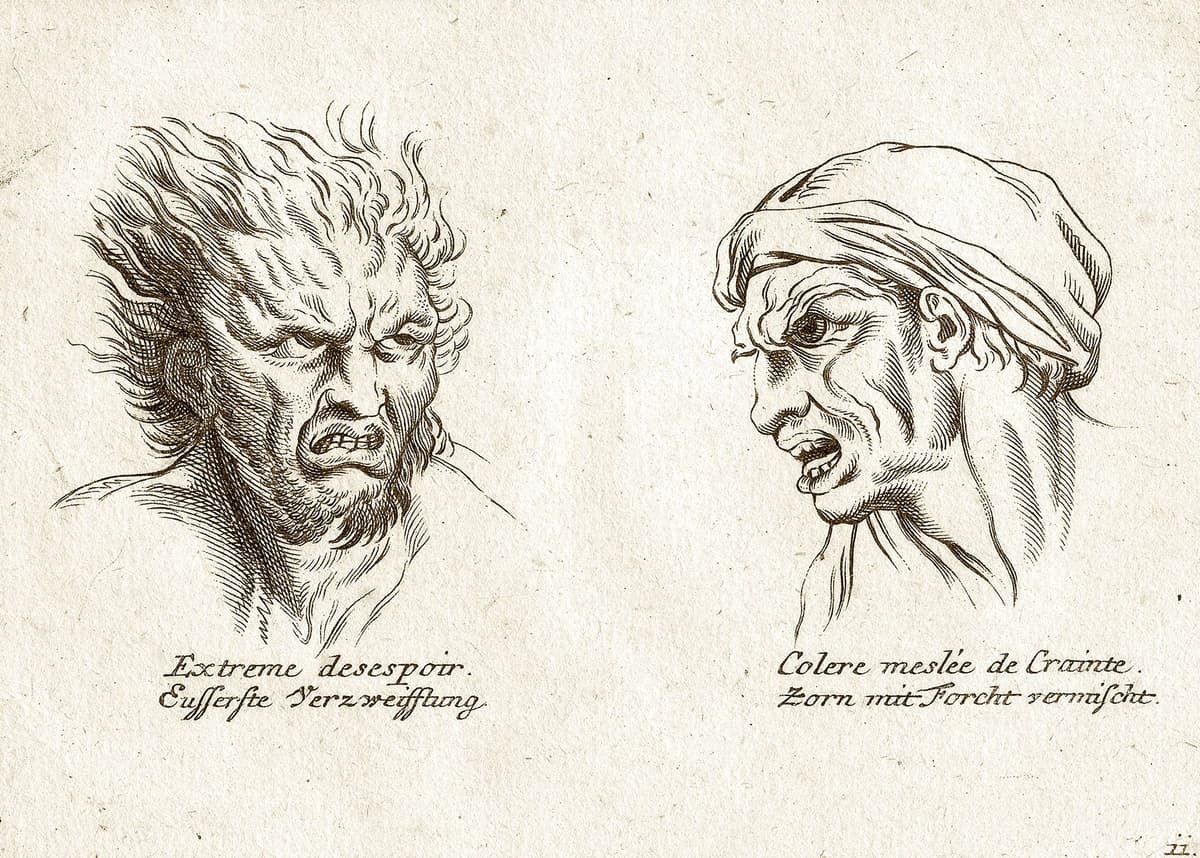
The Mouth in the Five Senses System
In Eastern physiognomy, the face is divided into the Five Senses: Ears, Eyes, Nose, Brows, and the Mouth, also called Xuat Nap Quan. The mouth is unique because it both receives nourishment and expresses speech, making it a key indicator of health, fortune, and communication skills.
Basic Mouth Shapes and Meanings
Wide Mouth
A wide mouth is considered auspicious. People with wide mouths are often generous, charismatic, and skilled at building relationships. When combined with a smile, it signals prosperity through social connections. However, a wide mouth with thin lips may indicate excessive talking and potential misunderstandings.
Small Mouth
A small, delicate mouth, often called "cherry mouth" in women, suggests an introverted, cautious, and refined personality. In men, a small mouth may imply indecisiveness and difficulty expressing opinions.
Straight and Downward Mouth
A straight, horizontal line when the mouth is closed resembles the character Nhat (一), indicating a principled, firm person suitable for leadership. Conversely, a mouth with downward-drooping corners resembles the character Son (山), suggesting a pessimistic nature and potential hardships.
Lip and Corner Features
Thick and Thin Lips
Thick lips reflect sincerity, emotional depth, and a love for life's pleasures. Thin lips represent sharp wit and eloquence, but may also suggest a calculating, somewhat cold nature. A thicker lower lip often indicates a person who enjoys life and receives support from benefactors.
Upward and Downward Corners
Naturally upward-curved mouth corners, even at rest, create a smiling appearance. This is called "khau giap khai," symbolizing optimism and the ability to turn misfortune into fortune. Downward corners, forming a sad look, are linked to anxiety and frequent worries.
Relationship with Other Features
The Mouth and Nose
The nose represents career and wealth. A large nose with a small mouth suggests great ambition but poor communication skills to realize it. A small nose with a wide mouth may indicate someone who talks more than they act. Harmony between the nose and mouth is essential for smooth career progress.
The Mouth and Philtrum
The philtrum, the groove between the nose and upper lip, relates to longevity and health. A deep, wide, and long philtrum indicates good vitality. A shallow philtrum weakens the mouth's overall quality, suggesting frequent illness and low energy.
Other Important Details
Teeth and Tongue
Teeth are considered the "gate of the mouth." White, even, and strong teeth signify good fortune and a solid family foundation. Gapped or protruding teeth are seen as flaws that invite gossip. A red, soft tongue indicates eloquence, while a pale or cracked tongue suggests poor health and unconvincing speech.
Voice Quality
Physiognomy also considers the dynamic sound of speech. A clear, resonant, and forceful voice is a good sign, promising success in communication-related fields. A hoarse or weak voice indicates fluctuating fortune. Good speakers talk clearly and coherently, inspiring trust.
Conclusion
Reading the mouth in the Five Senses is a nuanced practice involving shape, color, and interaction with other facial features. Though not an exact science, understanding Xuat Nap Quan highlights the power of speech and communication. A person with a favorable mouth shape who uses hurtful words will see their fortune decline. Conversely, someone with ordinary features who speaks kindly and acts virtuously can create their own blessings. Physiognomy serves only as a reference; each person authors their own destiny.
