General Introduction to the Via Ba Chua Xu Nui Sam Festival
The Via Ba Chua Xu Nui Sam Festival is one of the most typical and largest-scale folk festivals in Southern Vietnam. It is held annually at the foot of Sam Mountain in Nui Sam Ward, Chau Doc City, An Giang Province. The festival is not only a religious activity honoring the goddess Ba Chua Xu, considered by locals as a symbol of protection and blessings for the borderland, but also a distinctive cultural space crystallizing multiple layers of history, folk beliefs, and the spiritual life of the riverine community.
The festival takes place from the night of the 22nd to the end of the 27th day of the fourth lunar month annually, with the main ceremonies on the 25th and 26th. This is an occasion for millions of pilgrims from all over the country, as well as overseas Vietnamese and international tourists, to gather in Chau Doc to worship, pray for peace and fortune, and immerse themselves in the lively, sacred festival atmosphere.
Origins and Historical Formation
Legend of Ba Chua Xu
Ba Chua Xu is a legendary figure in Southern Vietnamese folk beliefs, not recorded in official history but shaped through various oral tales. According to the most common legend, Ba Chua Xu is a responsive deity who helped border residents repel invaders, protected villages, and brought peace and prosperity. Another tale says her statue was found on Sam Mountain during wartime, and when enemies tried to carry it away, it became too heavy to lift. Locals then organized a procession to bring the statue to its current resting place, and from that time the festival was formed.
Development of the Festival
The Via Ba Chua Xu Nui Sam Festival has existed for over 200 years, linked to the process of land reclamation, village establishment, and defense of the southwestern border by our ancestors. Initially, it was a simple worship activity by local residents. Over time, with economic and social development and the spread of belief, the festival gradually became larger and more organized, becoming a distinctive community cultural activity. Today, it holds not only spiritual significance but is also an important cultural tourism product of An Giang Province and the entire Mekong Delta.
Main Rituals and Activities in the Festival
Moc Duc Ceremony (Bathing the Goddess)
The Moc Duc Ceremony, also known as the bathing ritual, is held at 11 PM on the 23rd day of the fourth lunar month. It is the most important and sacred ritual, performed by presiding officiants and a ceremonial team of virtuous elderly women from the region. The ritual takes place in a private, solemn space using fragrant water boiled from aromatic leaves, soapberry, and flowers such as chrysanthemums and jasmine. Bathing the statue symbolizes purification and renewal, expressing the devotees' reverence toward the deity before entering the official ceremonies.
Tuc Yet Ceremony and Xay Chau Ceremony
The Tuc Yet Ceremony is held at midnight on the 25th day of the fourth lunar month to report to the Goddess about the festival organization and seek her witness and blessings. This is followed by the Xay Chau Ceremony, a mediumship ritual combined with hat boi (classical Vietnamese opera), reenacting historical tales and honoring national heroes. During Xay Chau, hat boi artists perform excerpts such as Tran Binh Trong and Trung Nu Vuong, creating an atmosphere both sacred and heroic.
Chinh Te Ceremony and Hoi Sac Ceremony
The Chinh Te Ceremony is held at 4 AM on the 25th day of the fourth lunar month, being the most formal and solemn ritual with the participation of chief officiants, assistant officiants, and a large number of people. Offerings include roasted pig, sticky rice, banh chung, banh tet, fruits, and many other items. The ritual follows ancient traditions with three rounds of wine, reading of eulogies, and incense offering. The Hoi Sac Ceremony follows, escorting the Goddess back to her worship position, concluding the main ritual part.
Via Ba Ceremony and Folk Cultural Activities
During the festival, many folk cultural activities take place around the Ba Temple, including hat boi, don ca tai tu (southern folk music), lion dances, sports competitions, street food performances, and folk games. Notably, don ca tai tu, a Representative Intangible Cultural Heritage of Humanity recognized by UNESCO in 2013, is always a highlight attracting many visitors within the festival framework.
Cultural Space and Architecture of the Ba Temple
Ba Chua Xu Temple: A Unique Architectural Work
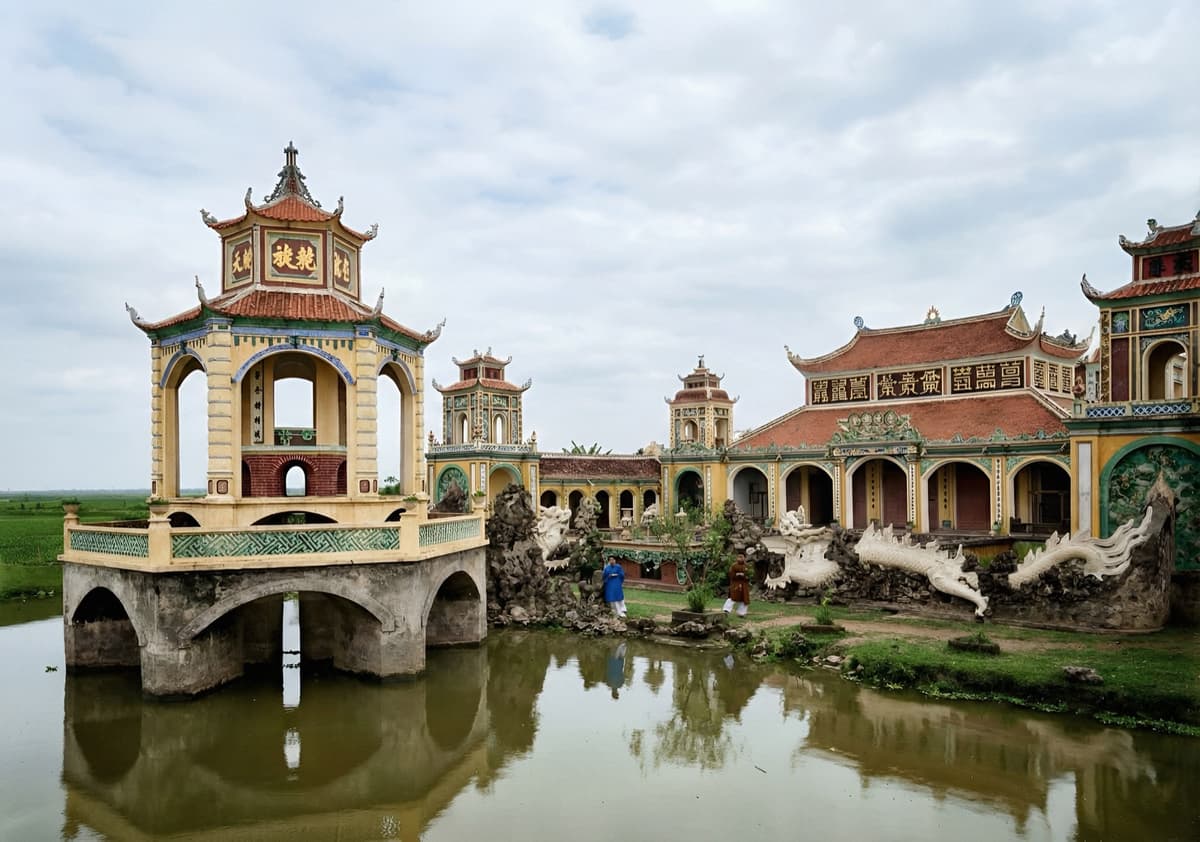
The Ba Chua Xu Temple at Sam Mountain is located in a prime position at the foot of the mountain, overlooking vast rice fields and the gentle Hau River. The temple was built in the early 19th century and has undergone many restorations. Its architecture strongly reflects traditional Vietnamese art of the South with yin-yang tiled roofs, intricate carvings, dragon-phoenix motifs, and floral patterns. The interior is harmoniously arranged, with the sandstone statue of Ba Chua Xu draped in multiple layers of robes and red scarves offered by devotees, creating a brilliant and solemn beauty.
Sacred Position in Spiritual Life
Sam Mountain and the Ba Chua Xu Temple are not only a famous pilgrimage site but also part of the historical and cultural relic system of the Chau Doc region, including Tay An Pagoda and Thoai Ngoc Hau's Mausoleum. This combination forms a distinctive spiritual cultural area attracting visitors from afar. For locals, Ba Chua Xu is seen as a kind mother who protects and bestows peace and luck on her descendants, so the worship of the Goddess is deeply ingrained in the community's consciousness and daily life.
Cultural and Historical Values of the Festival
Historical and Root Values
The Via Ba Chua Xu Nui Sam Festival carries profound historical value, linked to the Vietnamese nation's process of southern expansion. The formation and development of the Ba Chua Xu belief reflect the history of reclaiming the Chau Doc land and the cultural exchange among Kinh, Hoa, Khmer, and Cham people during cohabitation. The festival helps educate younger generations about the tradition of remembering the source when drinking water, national pride, and love for the homeland.
Religious, Cultural, and Community Values
The festival is a place for community gathering and connection through cultural and religious activities. It is an occasion for people to express reverence and gratitude to the deity, while also strengthening neighborly bonds and creating a solid community strength. The festival also serves as a space to preserve and promote traditional art forms such as hat boi, don ca tai tu, and folk games, contributing to safeguarding national cultural identity. The large participation of locals and visitors demonstrates the vibrant vitality of folk beliefs in modern life.
Journey to Becoming an Intangible Cultural Heritage of Humanity
Process of Dossier Preparation and Nomination
The nomination of the Via Ba Chua Xu Nui Sam Festival as a Representative Intangible Cultural Heritage of Humanity was prepared by An Giang Province and specialized agencies of the Ministry of Culture, Sports and Tourism over many years. The scientific dossier was meticulously built with extensive research materials on the festival's history, culture, beliefs, and outstanding values. This process involved contributions from scientists, folk culture researchers, artisans, and many local residents.
UNESCO Recognition
The Via Ba Chua Xu Nui Sam Festival was officially inscribed by UNESCO on the Representative List of the Intangible Cultural Heritage of Humanity at the session of the Intergovernmental Committee for the Safeguarding of the Intangible Cultural Heritage held in Paraguay in December 2024. This event marks a significant milestone, affirming the festival's global value and opening great opportunities to promote the image of Vietnamese culture and people, particularly An Giang, to international friends.
Significance of UNESCO Recognition
For Spiritual and Cultural Life
UNESCO recognition is a well-deserved acknowledgment of the festival's unique and longstanding cultural values. It raises community awareness of the importance of preserving, safeguarding, and promoting traditional cultural heritage values. Local people feel prouder of their homeland's heritage and become more conscious of participating in its protection and transmission to future generations.
For Tourism and Socio-Economic Development
The UNESCO title creates great appeal for domestic and international tourists, boosting tourism development in An Giang Province and the Mekong Delta. This is an opportunity to develop distinctive cultural tourism products, create additional livelihoods for local residents, and contribute to the sustainable socio-economic development of the locality. However, tourism development must go hand in hand with conservation efforts, avoiding the erosion or excessive commercialization of the festival's cultural values.
Challenges and Directions for Heritage Preservation and Promotion
Challenges in the Modern Context
In the context of urbanization, globalization, and rapid technological advancement, the festival faces numerous challenges. Risks of commercialization, alteration of traditional rituals, and a shortage of a younger generation deeply knowledgeable about ceremonies are pressing issues. Additionally, pressures regarding security, environmental hygiene, and food safety during festival days are increasing as visitor numbers rise.
Directions for Sustainable Preservation and Promotion
Many comprehensive solutions need to be implemented to preserve and promote heritage values sustainably. Strengthening communication and education to raise community awareness about heritage values is a central task. At the same time, attention should be paid to training and fostering a successor generation for artisans and ritual practitioners, ensuring continuous transmission between generations. Developing scientific, civilized, safe, economical festival organization regulations in line with fine customs is essential. Furthermore, a tourism development strategy linked to heritage preservation should be established, creating sustainable livelihoods for local communities while balancing economic growth and cultural identity preservation.
Conclusion
The Via Ba Chua Xu Nui Sam Festival is an invaluable cultural heritage of the nation, symbolizing the strong vitality of folk beliefs in modern life. UNESCO recognition is not only a pride of An Giang residents but also of the entire Vietnamese nation. This is both an honor and a great responsibility for us to jointly preserve, safeguard, and promote beautiful traditional cultural values, contributing to building an advanced Vietnamese culture rich in national identity.