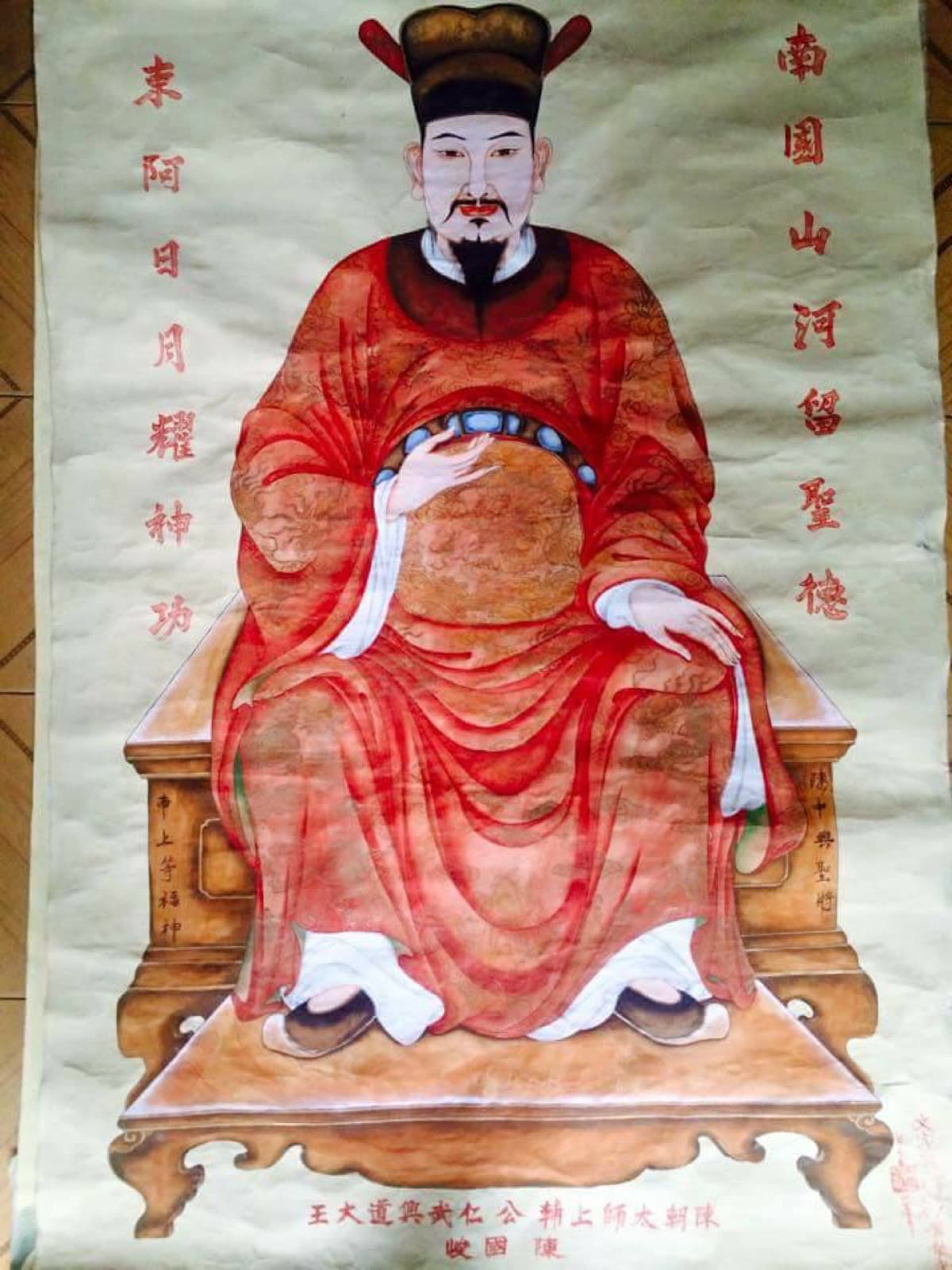
Ba Chua Xu of Sam Mountain: From Southern Folk Belief to Intangible Cultural Heritage of Humanity
Origin and Nature of the Belief
Ba Chua Xu (Lady of the Realm) is a Holy Mother figure within the female deity worship tradition of Southern Vietnamese people, formed during the land reclamation of the Chau Doc region in An Giang province. Unlike deities with clear historical origins, Ba Chua Xu represents a synthesized folk belief, a creative fusion of the Viet, Cham, Khmer, and Hoa communities' cultures during the southern expansion.
This belief mirrors the spiritual life of wet-rice agriculturalists, tied to aspirations for peace and favorable weather. Ba Chua Xu is revered as the Mother of the Land, always protecting and assisting devotees who seek health, peace, and prosperity. It also serves as an educational environment for the tradition of "remembering the source when drinking water," honoring ancestors' contributions to nation-building.
The Via Ba Chua Xu Festival: A Unique Cultural Space
The Via Ba Chua Xu festival is held annually from the 22nd to the 27th of the fourth lunar month at the Ba Chua Xu Temple at the foot of Sam Mountain and the stone altar on its summit. It is one of the largest spiritual festivals in Southern Vietnam, attracting over 4 million pilgrims and tourists annually.
The ceremonial part follows traditional rituals:
- Ceremony of making robes for Ba: The opening ritual showing community reverence.
- Ceremony of reenacting the statue procession: Recalling the journey of bringing the statue down the mountain, symbolizing the reclamation of land.
- Ceremony of bathing Ba: A purification rite showing care for the Mother of the Land.
- Other solemn rites: Including invoking the spirits, the main offering ceremony, and the return ceremony.
UNESCO Inscription: International Recognition
On December 4, 2024, at the 19th session of the Intergovernmental Committee for the Safeguarding of the Intangible Cultural Heritage in Asuncion, Paraguay, the Via Ba Chua Xu festival was officially inscribed on the Representative List of the Intangible Cultural Heritage of Humanity.
The Committee noted that the festival is organized by the Kinh, Khmer, Cham, and Hoa communities in Chau Doc, demonstrating cultural exchange and ethnic harmony. The heritage promotes education, gender equality, and sustainable development. The State has also proposed effective safeguarding measures, including incorporating the festival into local school curricula.
Global Significance and Preservation Efforts
The UNESCO inscription recognizes the festival as a practice of high cultural fusion, reflecting cultural diversity. It fosters dialogue among communities with female deity worship in Vietnam and Southeast Asia. Following the inscription, An Giang province has implemented various measures for preservation and promotion, focusing on security, civilized tourism, and the "Green Tourism - Exemplary Spirituality" orientation. The festival stands as a testament to the resilience of Vietnamese culture, connecting past and present, and enriching humanity's cultural tapestry.