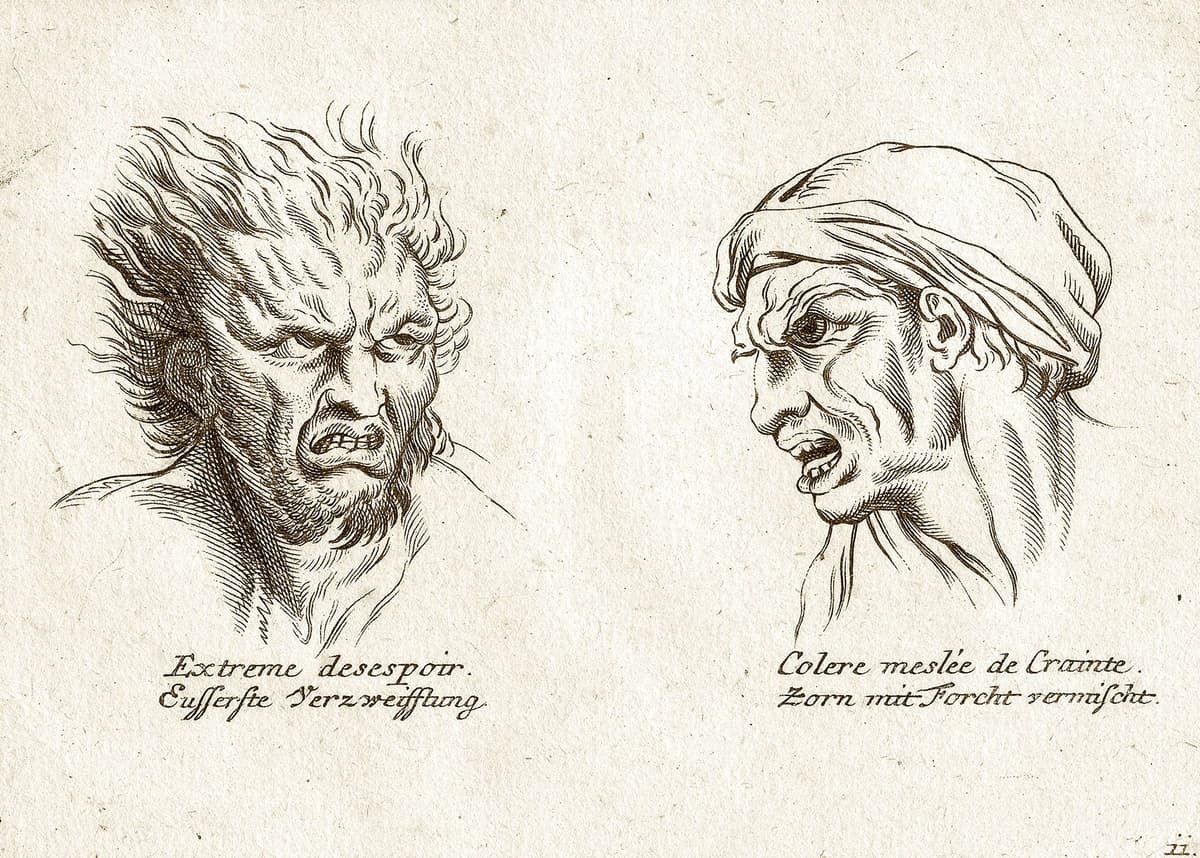
Introduction to the Five Senses and Shen Bian Guan
In Eastern physiognomy, the face is divided into Five Senses, corresponding to five organs: ears, eyebrows, eyes, nose, and mouth. The nose, called Shen Bian Guan, is considered the most important for assessing wealth, career, and social status.
Position and Role of the Nose
The nose is the center of the face, associated with the Earth element. It represents the Wealth Palace. A high, straight, fleshy nose indicates prosperity and nobility, while a low, crooked nose suggests financial difficulties. The nose also reflects health, willpower, and leadership.
Parts of the Nose and Their Meanings
Bridge (Shan Gen, Nian Shang, Shi Shang)
The bridge starts between the eyebrows (Shan Gen) and extends down. Shan Gen relates to career and relationships with superiors. A high, full Shan Gen means a smooth start and support from mentors. A sunken Shan Gen indicates obstacles. The middle part (Nian Shang, Shi Shang) relates to health, especially respiratory and digestive issues. Moles or scars here warrant health attention.
Nose Tip (Zhun Tou)
The tip represents wealth accumulation. A round, fleshy, pinkish tip is favorable, indicating good money management. A pointed, thin, or crooked tip suggests difficulty in retaining wealth. The tip also reflects self-esteem.
Nostril Wings (Can Mui)
The wings symbolize financial management. Wide, thick wings indicate good earning and saving ability. Thin, narrow wings suggest financial struggles or overspending. Balanced wings show stability.
Nostrils
Large nostrils indicate generosity and openness. Small nostrils suggest caution, sometimes stinginess or rigidity.
Color of the Nose
A rosy, moist, bright nose is a sign of good fortune and health. A dark, gray, dry, or pale nose indicates bad luck, financial troubles, or health issues. When the nose appears black or bluish, one should be cautious with major decisions.
Interrelation with Other Facial Features
The nose must be read in context. A wide, bright forehead (Yin Tang) with a high nose indicates great wisdom and success. A good nose with dull eyes may not sustain wealth. A good nose with a wide mouth suggests earning through social skills. A prominent nose with a weak chin may bring wealth in mid-life but decline later. A strong chin and jaw with a beautiful nose ensure lifelong prosperity.
Typical Nose Shapes and Interpretations
Straight Nose (Doc Dua)
High, straight, with a round tip and full wings. This is the most auspicious nose, bringing wealth, power, and leadership. Owners are intelligent and decisive.
Triangular Nose (Pointed)
Pointed tip, narrow bridge, small wings. Associated with sharp, cunning business sense but possible selfishness. They may earn money but struggle to keep it.
Upturned Nose (Hếch)
Tip pointing upward, nostrils visible. This indicates poor money retention, impulsive spending, and lack of patience.
Crooked Nose (Lệch)
A bent nose suggests instability, changeability, and turbulence in career and love. More effort is needed to succeed.
Limitations and Advice
Physiognomy is experiential, not exact science. Nose reading is for reference, helping self-understanding and growth. Do not let it limit you or judge others unfairly. Destiny can change through effort, cultivation, and environment. A person with an unfavorable nose can succeed through hard work and good character. Thus, view it objectively as a tool for self-reflection.


