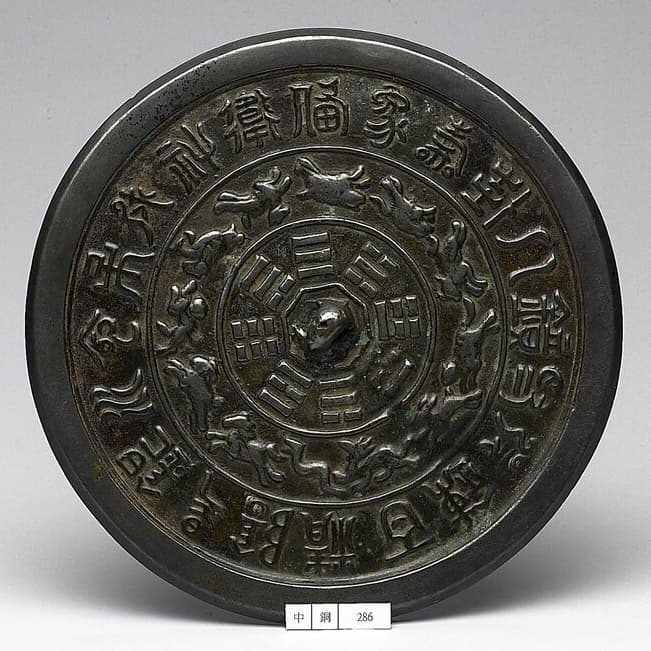
Introduction to the Earth-Water Hexagram
The Earth-Water Hexagram (地水師) is the 7th of the 64 I Ching hexagrams, formed by the trigram Kan (Water) above and Kun (Earth) below. In Eastern culture, this hexagram carries deep, multi-layered meanings, not limited to military affairs but also as a lesson in leadership, governance, and team building in modern life.
The name "Shi" (師) in Chinese characters originally means army or military force, but it also means teacher, instructor, or leader. This polysemy gives the hexagram depth: it speaks both of commanding a force and of guiding and educating people. According to researchers such as Nguyen Vu Tuan Anh in works on the I Ching, knowledge of Yin-Yang, the Five Elements, and the hexagram system is seen as belonging to an ancient civilization, inherited and developed over generations, including the cultural lineage of ancient Vietnamese people.
Hexagram Structure and Origin of the Name
In structure, the Earth-Water Hexagram has Water (Kan) outside and Earth (Kun) inside. Water flowing within the earth is a metaphor for hidden strength that needs to be channeled and guided in the right direction. Line 2 (the only yang line, at the center of the inner trigram Kun) is the ruling line, symbolizing a capable general or a leader with virtue and talent. The five other yin lines surrounding it represent the masses, soldiers, or those being led.
The origin of this hexagram is tied to ideas like "sư xuất hữu danh" (going to war with a righteous cause) and "sư trung trượng nhân" (using experienced, virtuous people to command). In the history of Chinese thought, military strategists like Sun Tzu and Zhuge Liang studied this hexagram for the art of war. However, from a broader Eastern cultural and philosophical perspective, the Shi hexagram is also a philosophy of social organization, from the family to the state.
Symbolic Meaning of the Earth-Water Hexagram
The Combination of Water and Earth
The relationship between the two trigrams in the Shi hexagram creates special layers of meaning:
- Earth (Kun) symbolizes tolerance, nurturing, docility, generosity, and a solid foundation. Earth is what contains, the people, the home front.
- Water (Kan) symbolizes wisdom, danger, flow, and depth. Water over earth evokes streams that can irrigate fields but also cause floods if not controlled.
Thus, the Shi hexagram conveys: strength (water) must rest on a foundation of ethics and stability (earth). If there is strength without virtue or careful preparation, disaster follows. Conversely, virtue without strength or sharpness cannot protect one's values.
The Principle of "Following People's Hearts"
The core of the Shi hexagram's philosophy is the word "Shun" (順), meaning obedience or following. The inner trigram Kun represents following natural order and the will of the people. A good leader does not impose authority but listens and puts themselves in the group's position to make wise decisions.
The outer trigram Kan, meanwhile, represents danger and upcoming challenges. This combination shows: to overcome danger, one needs thorough inner preparation, a united group, high discipline, and a leader with both talent and virtue.
Detailed Analysis of the Lines
Line 1 (Initial Six): An Army Must Set Out with Discipline
Line 1 (a yin line at the lowest position) signifies beginnings. The line text says: "An army must set out with discipline; even if it encounters misfortune, there is no blame." This is the first lesson on discipline. For a group to work effectively, from the very first steps there must be clear rules and principles. Without discipline or unity, even a large crowd is just chaos, easily defeated.
Line 2 (Nine in the Second): The Ideal Commander
Line 2 is the only yang line, at the center, symbolizing a capable general, the soul of the hexagram. The line text: "Being in the army, good, no blame; the king bestows orders three times." This line shows that a leader must be truly capable (yang line), know how to maintain a balanced position (line 2 at the center of the inner trigram), win people's support, and gain trust from superiors. With these three factors, the leader can devote fully to the mission.
Line 3 (Six in the Third): Warning Against Overconfidence
Line 3 (a yin line in a yang position) is an irregular line, not in its proper place. The line text: "The army perhaps carries corpses back, misfortune." The image of "carrying corpses" symbolizes failure and heavy losses. This line warns against misusing people or having a leader who lacks ability but overreaches. The result is disastrous failure. It reminds us to know our limits, not to take on too much, and not to be arrogant.
Line 4 (Six in the Fourth): Knowing When to Stop
Line 4: "The army retreats to a safe place, no blame." This line discusses orderly retreat. In life, not all times call for advance. Sometimes, stopping to preserve strength is wise. A planned, organized retreat is not cowardice but a smart strategy.
Line 5 (Six in the Fifth): The Supreme Leader
Line 5 is in a noble position (the ruler): "Hunting in the field, catching game; it is good to use words for admonition, no blame. The elder son leads the army; the younger son carries corpses back; even if correct, misfortune." This line emphasizes delegation. The supreme leader (line 5) should not micromanage but delegate to the talented (line 2). More importantly, one must delegate to the right person. Delegating to the virtuous leads to success; to the petty leads to failure.
Line 6 (Top Six): Lessons on Ending
The top line: "The great army has orders; founding a state, continuing the family; do not use petty people." After victory, rewards and merit assignments must be fair. Those with great merit receive high honors, but petty people should not be given important positions in governance. This is advice on building a team after success.
Applications of the Earth-Water Hexagram in Modern Life
In Business Management and Team Leadership
The biggest lesson from the Shi hexagram for managers is the art of using people and building organizational culture:
- Establish discipline from the start: Like line 1, a business from its founding needs clear processes and rules. Discipline is not restriction but a foundation for sustainable growth.
- Choose the right leader: Line 2 shows that a leader need not be the most outstanding but must have virtue and talent, and be able to bridge superiors and subordinates.
- Avoid placing people in wrong positions: Lessons from lines 3 and 5 are clear; putting the wrong person in a key role can lead to severe consequences.
In Personal Development and Daily Life
The Shi hexagram offers valuable lessons for individuals:
- Cultivate discipline: Success comes not from sporadic effort but from daily habits and consistent discipline.
- Listen and learn: "Shi" also means teacher. Those who learn from others and listen humbly are wise.
- Know when to advance and when to retreat: Not all times call for pushing forward. Sometimes stepping back to observe or strengthen inner resources is the best way to go further.
In Education and Training
With "Shi" meaning teacher, this hexagram also suggests an educational philosophy. A good teacher not only imparts knowledge but also guides and inspires students' potential. A teacher must have credibility and ethics (line 2) and know how to educate the right audience (line 5: "use words to admonish"). Teaching also requires method and discipline, not arbitrary or inconsistent.
Relationship with Other Hexagrams and Overall Philosophy
The Shi Hexagram and the Pi Hexagram
The Shi hexagram (unity, organization) is often contrasted with the Pi hexagram (stagnation, separation). While Pi symbolizes division and disconnection, Shi symbolizes gathering into a unified whole. The appearance of Shi right after the Song hexagram (conflict, litigation) reveals a deep philosophy: when society has conflict (Song), if not resolved skillfully, it leads to war; to end war quickly, one needs a disciplined, organized military force (Shi).
Multiple Perspectives on the Shi Hexagram
There are various approaches to the Shi hexagram. In Confucian classical tradition, it is interpreted politically and militarily: ruler-minister, general-soldier, discipline, just war. However, many modern scholars, including Vietnamese academics, have broadened the view, seeing Shi as a philosophy of social organization and human governance. This approach makes the I Ching more accessible and applicable today.
Another perspective from folk culture and Eastern doctrines suggests that Shi also relates to water management, a vital issue for wet-rice agricultural civilizations. Digging canals, irrigation, and flood control also require organization, discipline, and skilled leadership. This interpretation further shows the practicality and cultural depth of the I Ching.
Conclusion
The Earth-Water Hexagram, whether viewed from military, managerial, or personal development angles, offers timeless lessons. These are lessons about discipline, careful preparation before action, the art of employing people, and the spirit of unity. It reminds us that true strength does not come from imposition or violence but from tight organization, a benevolent heart, and a clear mind. In a volatile modern world, these values remain relevant, helping people steadily overcome difficulties and challenges.
Studying the I Ching, including the Shi hexagram, is not only a return to cultural roots but also a way for each person to reflect and improve themselves daily.
Quick-Reference Table: Hexagram The Army
| Aspect | Content |
|---|---|
| King Wen number | 7 |
| Chinese name | 師 |
| Symbol | ䷆ |
| Vietnamese name | Địa Thủy Sư |
| Upper trigram | Kun (Earth), Earth element, Southwest |
| Lower trigram | Kan (Water), Water element, North |
| Six lines, first line at the bottom | 1st yin, 2nd yang, 3rd yin, 4th yin, 5th yin, 6th yin |
| Image | Water gathered within the earth: an image of the multitude. |
| Reading | About assembling and directing large numbers. The emphasis falls on discipline and a leader others trust. Collective strength without organization turns easily to disorder. |
*Số liệu trong bảng khớp với kết quả các công cụ tra cứu trên Nhật Nguyệt.*