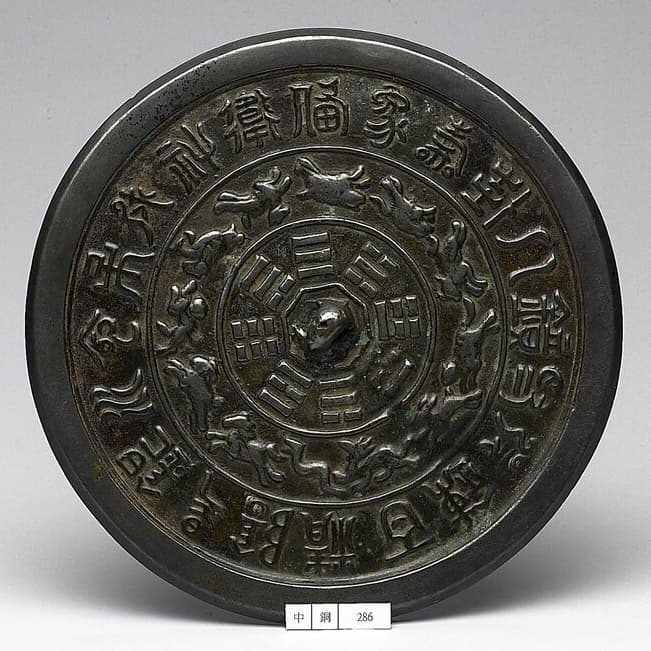
Overview of Hexagram 19 (Lin)
Hexagram 19, named Lin, is the 19th hexagram of the I Ching. "Lin" means to approach, oversee, or manage. Its structure consists of the lower trigram Dui (Lake) and the upper trigram Kun (Earth). This combination depicts the earth above and a lake below, where water nourishes the land, symbolizing growth, prosperity, and the responsibility of care.
Structural and Symbolic Meaning
The Interaction of Earth and Lake
The lower trigram Dui (Lake) represents joy, optimism, communication, and nurturing. The upper trigram Kun (Earth) symbolizes receptivity, tolerance, humility, and the power of patience. This interaction suggests a deep principle: a leader (Earth) must be tolerant and generous to listen to and nurture the positive energy and joy of those below (Lake). The water in the lake reflects the sky and seeps into the earth, implying natural and unforced influence.
Position and Relationships of the Lines
Hexagram Lin is traditionally considered one of the four "timely" hexagrams. This is because the second line (Nine in the Second) and the fifth line (Six in the Fifth) correspond to each other. The strong line below represents a talented and virtuous person, supported by the weak line above, a humble leader who values wisdom. This resonance creates positive synergy for smooth progress. The two strong lines at the bottom indicate rising positive energy that requires skillful management.
Interpretation of the Lines
Lines 1 and 2: The Beginning of a Great Undertaking
The first two strong lines represent the initial phase of growth. The first line, though low, carries a strong will to advance, emphasizing collective action. The second line, central to the lower trigram, is strong but in a yielding position, advising the noble person to influence others with sincerity and humility, not force. This combination suggests a powerful yet strategic start.
Lines 3, 4, and 5: Growth and Responsibility
The three weak lines in the upper trigram represent the management phase. Lines 3 and 4, being off-center, warn against complacency. Line 4 especially stresses using wisdom, not force, for governance. Line 5, the most important line, is a weak line in a position of honor, representing a supreme but humble leader. It advises the leader to listen, employ the wise, and guide with sagacity.
Top Line: A Warning Against Complacency
The top weak line represents the peak of prosperity. Its message is a strong warning against arrogance and self-satisfaction. At the height of success, one must remain humble, acknowledge shortcomings, and continue learning. Otherwise, decline will come swiftly.
Practical Lessons and Applications
In Leadership and Management
Hexagram Lin offers valuable lessons for leaders. Sustainable success comes not from imposing authority, but from being tolerant, listening, and nurturing the team. A good leader needs a broad vision (Earth) but must also be approachable and understand the difficulties and aspirations of the staff (Lake). They must create a positive environment to unlock potential while remaining vigilant against complacency.
In Personal Life and Development
For individuals, Lin advises proactive advancement and seizing opportunities when fortune is favorable. This progress must be accompanied by sincerity, humility, and continuous learning. We should nurture good relationships and share with others, as personal growth is linked to community development. Most importantly, upon achieving success, remember the top line's warning: success is a starting point for new challenges, not a destination for complacency.
Conclusion
Hexagram Lin is positive, indicating prosperity and growth. However, its deepest message lies not in predicting luck but in wise principles of conduct. Sustainable development comes from combining firmness with flexibility, tolerance with responsibility, and maintaining humility and vigilance from the beginning to the peak. Lin reminds us that the true art of leadership is the art of nurturing and developing people.
Quick-Reference Table: Hexagram Approach
| Aspect | Content |
|---|---|
| King Wen number | 19 |
| Chinese name | 臨 |
| Symbol | ䷒ |
| Vietnamese name | Địa Trạch Lâm |
| Upper trigram | Kun (Earth), Earth element, Southwest |
| Lower trigram | Dui (Lake), Metal element, West |
| Six lines, first line at the bottom | 1st yang, 2nd yang, 3rd yin, 4th yin, 5th yin, 6th yin |
| Image | Earth above the lake: the bank close against the water. |
| Reading | An image of drawing near, approaching, and overseeing. The text notes that favorable periods are finite, so timing matters. When approaching others, manner decides the outcome. |
*Số liệu trong bảng khớp với kết quả các công cụ tra cứu trên Nhật Nguyệt.*
