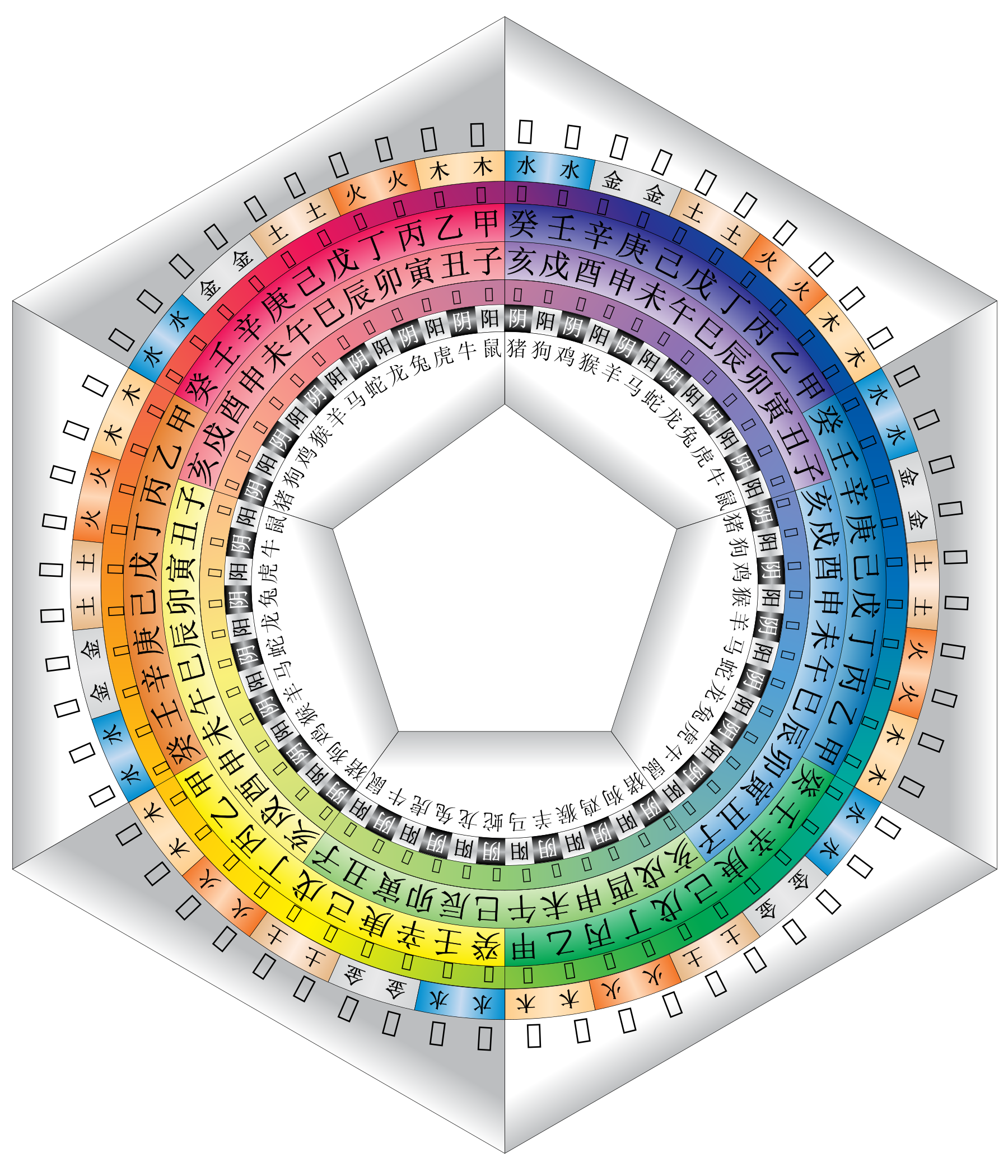
What Is the Twelve Stages of Growth Cycle?
The Twelve Stages of Growth (Vòng Trường Sinh, also called Thập Nhị Trường Sinh) is one of the classic tools of Bát Tự (Four Pillars) astrology, used to describe how strong or weak a Heavenly Stem is when it sits on or encounters a particular Earthly Branch. The cycle likens the journey of each element (Metal, Wood, Water, Fire, Earth), represented through its Heavenly Stem, to a human life cycle: birth, growth, maturity, peak, decline, death, and eventual re-conception. It is a symbolic reference framework that supports the broader assessment of the Day Master's and other stems' strength within a chart.
The Twelve Stages of the Life Cycle
The cycle consists of twelve consecutive stages forming a closed loop:
1. Trường Sinh (Birth), the starting stage, symbolizing coming into being, a new beginning, and potential for growth. 2. Mộc Dục (Bathing), an early, unformed childhood stage, prone to volatility; also associated with romantic impulse and recklessness. 3. Quan Đới (Capping), an adolescent stage of gradual maturing, where character begins to take shape in preparation for adulthood. 4. Lâm Quan (Taking Office), a mature stage of gaining competence, beginning to shoulder responsibility, with a career on the rise. 5. Đế Vượng (Peak Prosperity), the height of the cycle, the strongest point overall, corresponding to a vigorous middle age. 6. Suy (Decline), after the peak, strength and drive begin to wane. 7. Bệnh (Sickness), a stage of clear weakening, like old age accompanied by illness. 8. Tử (Death), the qi has been spent, with no more active energy. 9. Mộ (Tomb/Storage), qi is gathered in and stored away, hidden, no longer active but not yet fully dissipated. 10. Tuyệt (Extinction), the lowest point of the cycle, where the old qi is fully extinguished in preparation for a new cycle. 11. Thai (Conception), a new spark of life quietly begins to form. 12. Dưỡng (Nurture), the embryonic stage of nourishment and accumulation before entering Trường Sinh of the next cycle.
How the Cycle Operates
Each of the Ten Heavenly Stems (Giáp, Ất, Bính, Đinh, Mậu, Kỷ, Canh, Tân, Nhâm, Quý) has its own starting Earthly Branch for Trường Sinh; from there, the twelve stages move forward through the twelve branches for Yang stems, and backward for Yin stems. For example, Giáp Wood (Yang Wood) has its Trường Sinh at Hợi (Pig), then moves forward through Tý (Bathing), Sửu (Capping), Dần (Taking Office), Mão (Peak Prosperity, which is Wood's own seat), and continues forward until the cycle closes.
To determine whether a given Heavenly Stem is strong or weak at a particular pillar (Year, Month, Day, or Hour), a practitioner compares that stem against the Earthly Branch of the corresponding pillar to identify which of the twelve stages it falls into.
Applications in Reading a Bát Tự Chart
The Twelve Stages cycle is used as a supplementary layer of information, combined with the overall seasonal strength assessment of the Day Master (its rise and fall through the four seasons) and the clash, combination, harm, and punishment relationships between branches. Stages such as Trường Sinh, Lâm Quan, and Đế Vượng are generally considered "strong" stages, indicating abundant, vigorous energy for that stem; conversely, Bệnh, Tử, and Tuyệt are "weak" stages, indicating diminished energy that needs support from other elements in the chart.
The Mộ (Tomb/Storage) stage in particular carries special significance, often used to discuss accumulation of wealth or, in some interpretations, health and bereavement matters depending on which pillar the Mộ falls into. Because this is a fairly intricate system requiring precise cross-referencing between each pillar's stem and branch, beginners should treat the Twelve Stages cycle as a supplementary reference tool rather than a substitute for the overall Five Elements strength assessment of the full chart.