Introduction to Type 9 and Its Two Arrows in the Enneagram
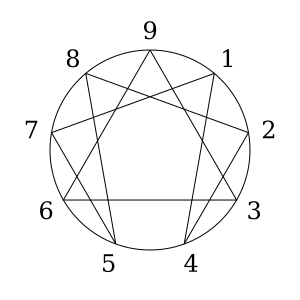
The Enneagram is a personality classification system based on nine types, each with its own motivations, fears, and coping strategies. In the Enneagram diagram, each number is not isolated but connected to two other numbers via lines, forming two characteristic arrows. The integration arrow points toward healthy development, where one learns and absorbs positive qualities from another type. Conversely, the disintegration arrow indicates the state under stress or unhealthiness, where one falls into negative behaviors characteristic of another type.
Type 9, often called the Peacemaker, is one of the most common personality types. People of Type 9 tend to seek peace, harmony, and avoid conflict. They easily empathize and understand others' perspectives but often struggle to recognize and assert their own needs. According to the Enneagram diagram, Type 9's integration arrow points to Type 3 (the Achiever), while the disintegration arrow points to Type 6 (the Loyalist).
The Integration Arrow: Journey from Type 9 to Type 3
When a Type 9 individual develops healthily, they begin moving along the integration arrow toward Type 3. Type 3 is achievement-oriented, focused on goals, efficiency, and task completion. They possess organizational skills, assertiveness, and a drive for concrete results.
Positive Transformation
This integration does not mean Type 9 becomes a completely different person but rather learns to apply Type 3's energies into life in a balanced way. A mature Type 9 develops assertiveness, sets clear goals, and persistently pursues them. They gradually break free from passivity and procrastination, learning to prioritize what matters to themselves rather than just pleasing others.
An integrated Type 9 can become dynamic, organized, and effective at work. They know how to turn good ideas into concrete actions. Notably, they retain their calmness, listening skills, and ability to build good relationships, but no longer lose themselves in the process. They learn that pursuing personal goals does not necessarily disrupt harmony; instead, it can bring deep satisfaction and joy.
Concrete Example of Integration
Imagine a Type 9 working in a project team. In an underdeveloped state, they might sit silently, agree with everyone, and avoid voicing opinions for fear of offending others. When integrating toward Type 3, they start proactively proposing solutions, delegating tasks clearly, and driving progress. They are no longer passive observers but active contributors with substantive input. Their innate calm helps them handle team tensions skillfully, while becoming more steadfast in defending solutions they believe are right.
The Disintegration Arrow: When Type 9 Falls into Type 6's State
Under stress, anxiety, or unhealthiness, Type 9 moves along the disintegration arrow toward Type 6. Type 6 is characterized by worry, doubt, and a constant search for security. They often think about worst-case scenarios.
Deterioration and Negative Manifestations
This disintegration manifests as Type 9 becoming anxious, restless, and doubtful of their own abilities. They may question decisions they previously felt comfortable with, becoming hesitant and indecisive. Instead of their usual peace, they may experience lingering anxiety, always feeling something is wrong.
Another manifestation is passive-aggressiveness. When overwhelmed, Type 9 may resist passively through procrastination, ignoring tasks, or doing them sloppily. They may become overly suspicious of others' intentions, fearing they are being taken advantage of or disrespected, which contrasts sharply with their normally trusting and easygoing nature.
Example of Disintegration
A Type 9 in a relationship feels pressured to make a major commitment. Instead of calmly listening and sharing, they start having anxious thoughts: "What if I agree and later regret it?" "Is the other person truly trustworthy?" They avoid important conversations, give vague answers, and may evade responsibility. They might suddenly become irritable or defensive when asked about their true feelings, a behavior far from their usual calm and agreeable demeanor.
Comparing and Contrasting the Two States
The core difference lies in motivation. When integrating toward Type 3, Type 9 acts from growth and joy of contribution. They feel energetic and purposeful. Conversely, when disintegrating toward Type 6, they act from fear and insecurity, feeling tired, drained, and lost.
Interestingly, though these states seem opposite, both reflect Type 9's inner struggle with self-assertion. In integration, they learn to assert themselves healthily and constructively. In disintegration, they react to fear of hurt by becoming suspicious and defensive, rather than facing issues directly.
Practical Applications in Life and Work
At Work
Understanding these arrows helps Type 9 recognize their state. When they notice procrastination, excessive worry, or stubbornness, they can identify disintegration. Instead of dwelling in anxiety, they can shift toward integration by focusing on specific goals, planning small actions, and executing them. Breaking work into small steps reduces overwhelm and initiates action.
In Relationships
Recognizing disintegration signs helps Type 9 and those around them understand unusual reactions. Rather than avoiding conflict, they can learn to face issues calmly, using their innate composure to resolve disagreements constructively. When they catch themselves being baselessly suspicious, they can pause and ask whether the fear stems from reality or is a product of a stressed imagination.
Growth Advice
The most crucial thing for Type 9's growth is learning to listen to their inner voice and prioritize their own needs. Practicing mindfulness, journaling, and setting personal boundaries are useful tools. When they feel at peace and connected to themselves, they are less likely to fall into Type 6's anxiety. And when they have a clear goal and self-worth awareness, they can naturally integrate Type 3's dynamic, assertive qualities.
Conclusion
The integration and disintegration arrows are invaluable tools for Type 9's self-understanding and growth. The integration arrow toward Type 3 reveals their immense potential, while the disintegration arrow toward Type 6 serves as an early warning of imbalance. By recognizing and navigating between these states, Type 9 can gradually overcome stagnation, find their voice, and live a fulfilling, harmonious life both internally and externally. This journey is not about becoming another type but about becoming the best, most complete version of oneself.
