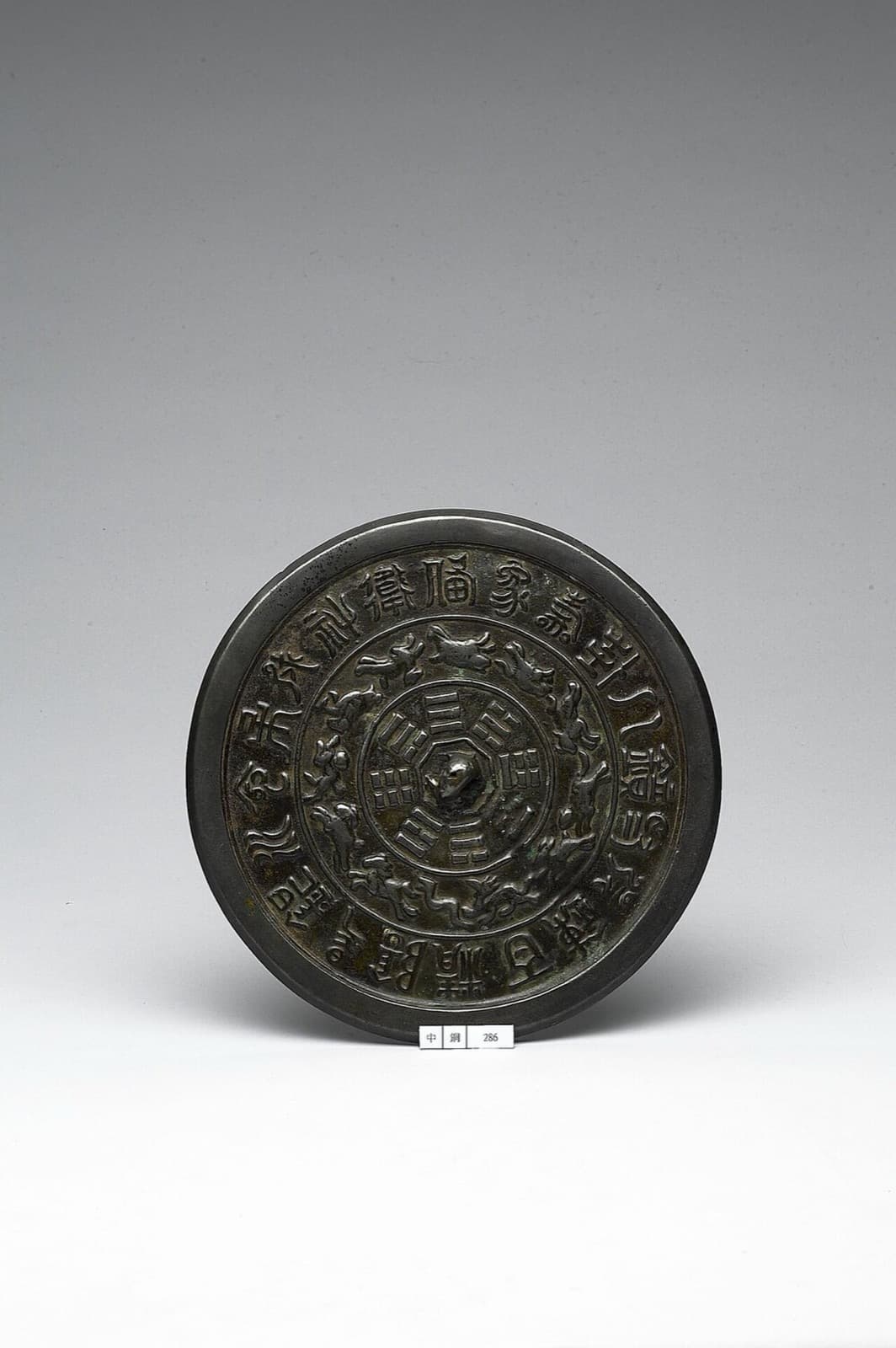
Kan House (East Group) in Bazhai Feng Shui: Characteristics and Compatible Directions
Bazhai (Eight Houses) is a classical Feng Shui system that divides living spaces into eight directions and eight types of houses. The East Group includes the Kan (North), Li (South), Zhen (East), and Xun (Southeast) houses. This article focuses on the Kan house, exploring its five-element nature, how to determine compatible directions, and practical applications for doors, bedrooms, and kitchens.
Understanding the Kan House and Its Connection to Bazhai
The Kan house is identified when the house orientation (sitting direction) or the main door direction falls within the Kan trigram, corresponding to the North (337.5 to 22.5 degrees on a compass). In Bazhai, each person has a gua number based on their lunar birth year and gender, belonging to either the East or West Group.
People with the Kan gua number (1) belong to the East Group. They are associated with the Water element, as Kan corresponds to Water and the North direction. This influences their choice of colors, materials, and house directions.
Five-Element Characteristics of the Kan House
The Kan house carries the Water element, symbolizing flexibility, wisdom, communication, and adaptability. In Feng Shui, a Kan house suits individuals who are calm, thoughtful, and introspective, but may be emotionally sensitive if not balanced.
Key five-element interactions:
- Water generates Wood: People with Kan ming benefit from Wood elements, such as green colors, plants, or East and Southeast directions.
- Metal generates Water: Metal items (white, gray, silver) support Water energy, so using metallic decor can enhance positive chi.
- Water controls Fire, Earth controls Water: Avoid excessive Fire elements (red, orange, pink, purple) and Earth elements (yellow, brown) in living spaces, as they may cause conflicts.
A well-balanced Kan house creates a calm, comfortable atmosphere, supporting careers in communication, education, or logical thinking.
Auspicious and Inauspicious Directions for the Kan House
For Kan ming individuals, there are four favorable and four unfavorable directions.
#### Favorable Directions
- Sheng Qi (Southeast): The best direction, bringing prosperity, wealth, and vitality. Place the main door or living room here.
- Tian Yi (East): Good for health, improving physical and mental well-being. Bedrooms or ancestral altars suit this direction.
- Yan Nian (South): Favorable for family relationships and marital harmony. Couples' bedrooms in the South strengthen bonds.
- Fu Wei (North): The direction of the base ming, stabilizing the mind and boosting confidence. Study desks or offices should face North.
#### Unfavorable Directions
- Jue Ming (Southwest): The worst direction, causing health and financial losses. Avoid placing the main door, stove, or bed here.
- Wu Gui (West): Brings instability, disputes, and unexpected accidents. Use curtains or Feng Shui remedies if large windows face West.
- Liu Sha (Northwest): Affects social relationships, leading to lawsuits or loss of reputation. Avoid offices or living rooms here.
- Huo Hai (Northeast): Causes minor troubles and financial leaks. Place green plants or Wood-element items to mitigate effects.
Practical Applications: Door, Bedroom, and Kitchen Placement
#### Main Door
The main door welcomes chi into the house, so it should face one of the four auspicious directions, ideally Sheng Qi (Southeast) or Fu Wei (North). If the door faces an unfavorable direction, remedies include:
- Using green (Wood) or white (Metal) doormats.
- Hanging metal wind chimes near the door to activate Metal generating Water.
- Placing a small plant near the entrance to boost vitality.
#### Bedroom
Bedrooms should be tranquil. The best directions are Tian Yi (East) or Yan Nian (South). The bed head should ideally point North (Fu Wei) for mental stability, avoiding Southwest (Jue Ming) or West (Wu Gui).
Colors for a Kan ming bedroom should favor dark blue, black, or green, avoiding excessive red or orange to prevent restlessness.
#### Kitchen
The kitchen belongs to the Fire element, which conflicts with Water. The key principle is to position the stove in an unfavorable direction but face it toward a favorable one (sitting in sha, facing in ji). For example, place the stove in the Southwest or West area but orient it toward Sheng Qi (Southeast) or Tian Yi (East). Avoid placing the stove directly opposite the main door or bathroom door.
Conclusion
The Kan house in the East Group is a practical Feng Shui framework for those with the Kan gua number. Understanding Water element traits and favorable directions helps optimize living spaces for harmony and well-being. However, Feng Shui is only a reference, not an absolute determinant of destiny. Personal effort, healthy living, and a positive mindset remain the most important foundations for a fulfilling life.
Quick-Reference Table: the Kan house
| Star | Compass direction |
|---|---|
| Kua number | 1 |
| Group | East Group |
| Sheng Qi (auspicious) | Southeast |
| Tian Yi (auspicious) | East |
| Yan Nian (auspicious) | South |
| Fu Wei (auspicious) | North |
| Huo Hai (inauspicious) | West |
| Liu Sha (inauspicious) | Northwest |
| Wu Gui (inauspicious) | Northeast |
| Jue Ming (inauspicious) | Southwest |
*Số liệu trong bảng khớp với kết quả các công cụ tra cứu trên Nhật Nguyệt.*
