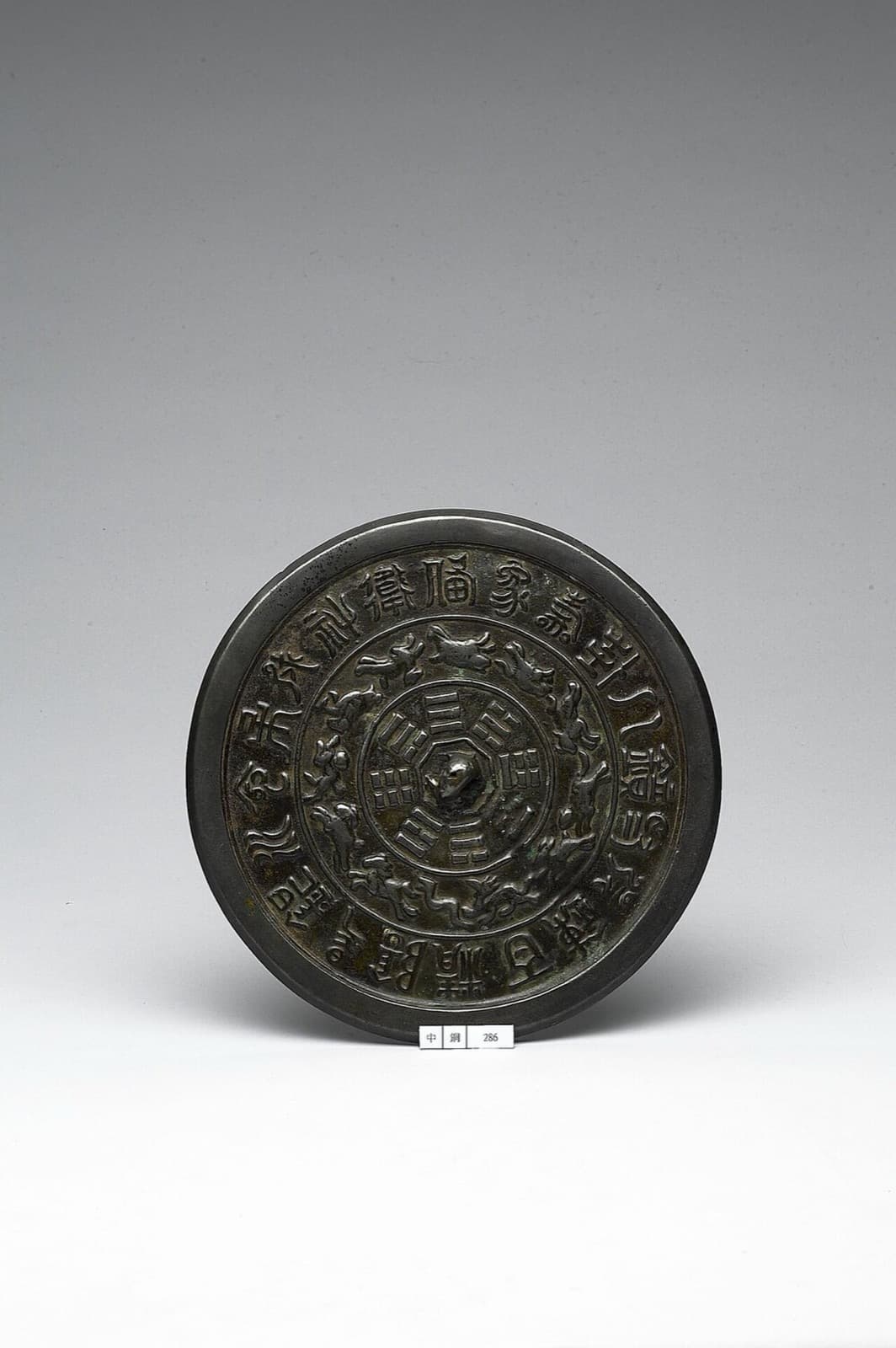
What Are the Eight Du Nien and Why Are They Called Du Nien?
Du nien is the collective name for eight energy states used in the Bat Trach school of duong trach feng shui. These eight states are Sinh Khi, Thien Y, Dien Nien, Phuc Vi, Hoa Hai, Luc Sat, Ngu Quy, and Tuyet Menh. The book Tuyen Tap Bai Viet Phong Thuy Chon Loc So 2 calls du nien the Cuu Tinh, representing energy changes according to the house's sitting and facing directions and the main door's position.
The word du nien here means movement or circulation. Each time we change the viewing direction, the house's energy relative to the householder shifts to another state. Thus, for the same house and householder, standing in eight different directions yields eight different du nien. Four du nien are considered auspicious: Sinh Khi, Thien Y, Dien Nien, and Phuc Vi. Four are considered inauspicious: Hoa Hai, Luc Sat, Ngu Quy, and Tuyet Menh.
What Is the Difference Between Menh Que and Huong Que?
Menh que is the que tied to the birth year and gender of the person living in the house, while huong que is the que tied to the house's direction or the main door's direction. The book Tuyen Tap Bai Viet Phong Thuy Chon Loc So 2 presents how to determine cung phi, also called menh trach, based on birth year and gender, then places that cung phi on the Bat Quai diagram to check its relationship with the eight directions.
This is the most confusing point. Bat Trach Minh Kinh takes the menh chu as the root, meaning it uses the menh que of the most important person in the house and compares it with the eight directions. Duong Trach Tam Yeu takes the door as the root, meaning it uses the que of the main door and transforms it to derive the other cung. These two methods yield different tables, which is why the same house can be interpreted differently by two masters.
Where Do Cung Phi 5 for Males and Females Go?
This is where books disagree. When calculating cung phi and getting the number 5, no que corresponds to 5 in the Bat Quai, so it must be assigned to another cung. Some books assign cung phi 5 for males to Khon and females to Can, others do the opposite, and some assign both to the same cung. So if your table result differs by one cung from someone else's, check which convention each side follows before deciding who is right or wrong.
How Does the Line Transformation from Menh Que to Huong Que Work?
Line transformation is the method of calculating the eight du nien by flipping the yin-yang sign of each line in the que. Each Bat Quai que has three lines, each either yin or yang. We flip each line in turn, each flip producing a new que, and each new que corresponds to a du nien. After eight flips, we return to the original que, which is Phuc Vi.
The book Tuyen Tap Bai Viet Phong Thuy Chon Loc So 3 describes this sequence. In the first transformation, the result always corresponds to Sinh Khi; the second to Ngu Quy; the third to Dien Nien; the fourth to Luc Sat; the fifth to Hoa Hai; the sixth to Thien Y; the seventh to Tuyet Menh; and the eighth returns to the original que, Phuc Vi. This book also cites Duong Co Chung Giai by Loc Da Phu when discussing the eight transformations, and considers the eighth transformation to signify restoration and stability, which can be good or not too bad depending on the nature of the original cung.
For example, with the Kham que, the first transformation produces Ton, corresponding to Sinh Khi. The second from Ton produces Chan, corresponding to Ngu Quy. This continues until returning to Kham. The book Tuyen Tap Bai Viet Phong Thuy Chon Loc So 3 notes that ancient texts like Duong Trach Tam Yeu already compiled tables of the cung transformed into du nien, so users tend to consult pre-made tables rather than flipping lines manually.
Table of the Eight Du Nien by Menh Que and Eight Directions
The table below is a conventional 8 x 8 lookup table for Bat Trach: rows are the householder's menh que, columns are the direction to consider. The intersection of menh que and direction gives the du nien of that direction for that person.
| Menh Que | Kham | Khon | Chan | Ton | Trung | Kien | Doai | Can | Ly |
|---|---|---|---|---|---|---|---|---|---|
| Kham | Phuc Vi | Tuyet Menh | Thien Y | Sinh Khi | (5) | Luc Sat | Hoa Hai | Ngu Quy | Dien Nien |
| Khon | Tuyet Menh | Phuc Vi | Hoa Hai | Ngu Quy | (5) | Dien Nien | Sinh Khi | Thien Y | Luc Sat |
| Chan | Thien Y | Hoa Hai | Phuc Vi | Dien Nien | (5) | Ngu Quy | Tuyet Menh | Luc Sat | Sinh Khi |
| Ton | Sinh Khi | Ngu Quy | Dien Nien | Phuc Vi | (5) | Hoa Hai | Luc Sat | Tuyet Menh | Thien Y |
| Kien | Luc Sat | Dien Nien | Ngu Quy | Hoa Hai | (5) | Phuc Vi | Tuyet Menh | Thien Y | Sinh Khi |
| Doai | Hoa Hai | Sinh Khi | Tuyet Menh | Luc Sat | (5) | Tuyet Menh | Phuc Vi | Dien Nien | Ngu Quy |
| Can | Ngu Quy | Thien Y | Luc Sat | Tuyet Menh | (5) | Thien Y | Dien Nien | Phuc Vi | Hoa Hai |
| Ly | Dien Nien | Luc Sat | Sinh Khi | Thien Y | (5) | Sinh Khi | Ngu Quy | Hoa Hai | Phuc Vi |
The Trung column is cung number 5, with no corresponding que, so in practice it is assigned to Khon or Can depending on the book. This table follows a symmetric convention, meaning the du nien between two ques is the same from either side. If you follow a different convention for cung phi 5, some cells will change value.
Meaning and Five Elements of the Eight Du Nien
According to the book Tuyen Tap Bai Viet Phong Thuy Chon Loc So 2, Sinh Khi belongs to Wood and is the best star, governing wealth, health, and population growth. Dien Nien, also called Phuc Duc, belongs to Metal, governing fortune, longevity, and family harmony. Thien Y belongs to Earth, helping reduce illness and increase longevity. Phuc Vi belongs to Water, moderate, governing stability.
For the inauspicious group, this book classifies Hoa Hai as Earth, Luc Sat as Water, Ngu Quy as Fire, and Tuyet Menh as Metal. Tuyet Menh is considered the worst, governing disasters, illness, separation, and loss. Ngu Quy causes sudden disasters, disputes, and lawsuits. Luc Sat leads to discord, conflict, and loss. Hoa Hai causes gossip and health impacts.
The book Tuyen Tap Bai Viet Phong Thuy Chon Loc So 2 also emphasizes that the degree of good or bad depends on the five-element interaction between the star and the cung. Sinh Khi, belonging to Wood, shining into the East cung of Wood is strengthened. A bad star shining into a cung that generates it may have its inauspicious nature somewhat reduced, but risks remain.
How Do Auspicious Stars in Proper, Improper, or Facing Positions Differ?
According to the book Tuyen Tap Bai Viet Phong Thuy Chon Loc So 3, Thien Y belonging to Earth meeting the Chan, Ton, Kham cung of Wood and Water is called that vi, meaning it does not fully exert its good effect and may even be weakened. Thien Y meeting the Ly, Doai, Kien cung of Fire and Metal is called dac vi, good at the second level. Thien Y meeting Can and Khon of Earth is called dang dien, harmonious same type, considered the best.
This three-level classification of dang dien, dac vi, that vi is crucial when arranging rooms. It explains why two houses both placing the kitchen in the Thien Y direction might have one praised as prosperous and the other considered only temporary. The book Tuyen Tap Bai Viet Phong Thuy Chon Loc So 3 also states that Thien Y combined with Cu Mon star is seen as a treasury of wealth and treasures, while Ngu Quy and Liem Trinh can cause disasters and illness, and Tuyet Menh and Pha Quan lead to unpredictable disasters.
How Does Duong Trach Tam Yeu Take the Door as the Root?
According to the Duong Trach Tam Yeu theory associated with the book by Sai Cuu Phong, three factors are emphasized: the main door, the son chu or master room, and the kitchen location. The book Tuyen Tap Bai Viet Phong Thuy Chon Loc So 3 states that this theory advocates placing the kitchen in an auspicious direction and closely linked to the three auspicious trach. It also cites an ancient text about transforming from Chan five times to Ton direction to get Dien Nien, showing the main door as the starting point to derive the other cung.
In other words, Bat Trach Minh Kinh asks which direction suits this person, while Duong Trach Tam Yeu asks how the cung in the house become when this door opens. The book Tuyen Tap Bai Viet Phong Thuy Chon Loc So 3 clarifies this difference when comparing two theories on the stove, and advises against mechanically applying one theory while ignoring the other.
Which Stars Should the Door, Master Room, and Kitchen Follow?
According to the book Tuyen Tap Bai Viet Phong Thuy Chon Loc So 3, for the house to be prosperous, wealthy, and peaceful with few illnesses, the master room and kitchen should fall into the thua kiet du nien cung at the dang dien or dac vi level; at worst, only at the that vi level. The table below summarizes placement guidance by star.
| Item | Should Fall into Star | Notes |
|---|---|---|
| Main door | Sinh Khi, Thien Y, Dien Nien | Door is the root of tam yeu, avoid Tuyet Menh and Ngu Quy |
| Master room | Dien Nien, Sinh Khi, Thien Y | Better at dang dien or dac vi than that vi |
| Kitchen | Sit on inauspicious, face auspicious | Kitchen faces good direction, back leans on bad direction |
| Worship room | Thien Y, Dien Nien | Prioritize quiet and dac vi cung |
| Young couple's bedroom | Thien Y | The book UNG DUNG Trung Quoc says Thien Y suits young couples |
| Study desk | Sinh Khi | The book UNG DUNG Trung Quoc says Sinh Khi benefits exams |
| Elderly room | Dien Nien | The book UNG DUNG Trung Quoc says Dien Nien suits the elderly |
The book UNG DUNG Trung Quoc has verses on arranging the cuu tinh by the eight gates of duong trach, where each que has its own sequence, e.g., for Kham it is Ngu, Thien, Sinh, Dien, Tuyet, Hoa, Luc, and for Can it is Luc, Tuyet, Hoa, Sinh, Thien, Dien, Ngu. This book also suggests memorizing by turning each verse into a personal story.
Why Must the Kitchen Sit on Inauspicious and Face Auspicious?
The principle of sitting on inauspicious and facing auspicious means the back of the kitchen leans on a bad direction, and the front faces a good direction. The common explanation is that the kitchen belongs to Fire, placing its back to a bad direction suppresses bad energy, while facing a good direction welcomes good energy. The book Tuyen Tap Bai Viet Phong Thuy Chon Loc So 3 records two opposing theories on the stove: one advocates placing the kitchen in a good direction, the other is Duong Trach Tam Yeu which advocates the kitchen must be on the same side as the house, West trach house places kitchen on the West, East trach house on the East, to balance the three factors of door, master, and kitchen.
This book also cites phrases like occupying Thien Y direction leads to continuous illness, occupying Sinh Khi direction leads to loss of fields and livestock, occupying Dien Nien direction leads to difficulty in longevity and marriage. These phrases contradict the usual conclusion that auspicious stars are always good, and the book uses them to remind that applying Bat Trach Minh Canh to the stove requires subtlety, avoiding mechanical application.
What Is the Relationship Between Dong Tu Trach and Tay Tu Trach?
According to the book Tuyen Tap Bai Viet Phong Thuy Chon Loc So 3, Dong tu trach cung include Kham, Ly, Chan, Ton, while Tay tu trach include Kien, Khon, Can, Doai. When cung in the same group combine, they often produce auspicious du nien, while when the two groups intersect, they tend to produce inauspicious du nien. This book also notes the element relationship: Dong tu trach belongs to Wood, Tay tu trach belongs to Metal; when the star's element matches the house's element, it is called vuong trach cach, and when the star's element generates the house's element, it is called sanh trach cach.
This grouping explains why people often say Dong tu menh suits Dong tu trach houses. But note this is a group statistical rule, not an absolute truth for each specific case.
What to Note When Looking Up Tables Yourself
First, clearly determine whether you follow Bat Trach Minh Kinh taking menh chu or Duong Trach Tam Yeu taking the door as the root, as the two yield different tables. Second, handle cung phi 5 according to your book's convention, and state that convention when presenting results. Third, distinguish dang dien, dac vi, that vi when assessing good or bad, not just the star's name.
Fourth, the book Tuyen Tap Bai Viet Phong Thuy Chon Loc So 3 notes that Duong Trach Tam Yeu does not exist independently. A house with good layout per tam yeu but near a cemetery, hospital, or place with much yin energy will have reduced effectiveness. Conversely, a house with imperfect layout but in a good location or with good timing can still bring luck. The book Tuyen Tap Bai Viet Phong Thuy Chon Loc So 2 also says feng shui is the art of arranging space in harmony with natural laws, not superstition, and mastering the eight Bat Trach stars is an important step to proactively improve fortune.
Finally, remember that du nien stars are just one layer of information. The same direction can be good for one person and bad for another, depending on menh que. So do not assert absolute good or bad for any position without considering all other layers.
FAQ
How Are the Eight Bat Trach Du Nien Calculated?
The eight Bat Trach du nien are calculated by comparing the householder's menh que with the que of each direction, or by the line transformation method from a source que through eight flips. Each flip changes a yin or yang line, producing a new que corresponding to a du nien, and the eighth flip returns to the original que, Phuc Vi. Tables are often used for lookup.
How Does Duong Trach Tam Yeu Differ from Bat Trach Minh Kinh?
Bat Trach Minh Kinh takes the menh chu as the root, using the menh que of the most important person and comparing it with the eight directions. Duong Trach Tam Yeu takes the main door as the root, using the door's que and transforming it to derive the other cung. This leads to different tables and interpretations.
Where Do Cung Phi 5 for Males and Females Go, Khon or Can?
Books disagree. Some assign cung phi 5 for males to Khon and females to Can, others do the opposite, and some assign both to the same cung. If your table result differs by one cung, check which convention each side follows before concluding who is correct.