The I Ching: A Language of Change and Systemic Thinking
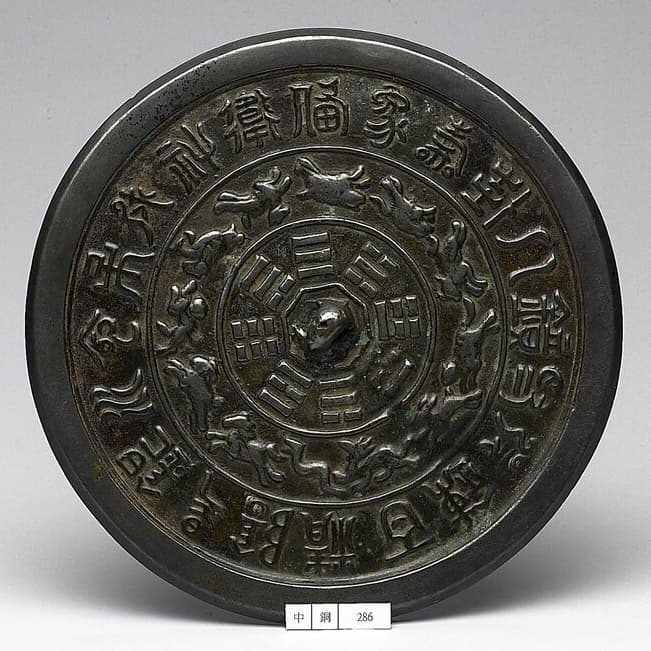
The I Ching is often misunderstood as a mere divination text. However, from a philosophical and managerial perspective, it is a sophisticated framework for understanding change. Its core comprises two symbols: the solid yang line and the broken yin line, representing opposing yet complementary energies. Their interactions form eight trigrams, which combine into 64 hexagrams, covering the movement patterns of the universe and human life.
For business professionals, the 64 hexagrams are not rigid prophecies but archetypal situations any organization might face. Psychologist Carl Jung called the meaningful coincidence of a hexagram with one's question "synchronicity." Therefore, the I Ching's value lies not in passive prediction but in stimulating reflective thinking, helping managers view problems from multiple angles and understand their situation's essence.
The Principle of Change: A Foundation for Adaptive Strategy
The central philosophy is "change" – everything is in constant flux, mirroring the modern business environment. Instead of seeking a static, perfect plan, managers should build a flexible organization capable of adaptation.
The final two hexagrams, Ji Ji (Already Completed) and Wei Ji (Not Yet Completed), illustrate this. Ji Ji symbolizes success after effort, but Wei Ji immediately follows, reminding us that success is never the final destination. In business, each cycle of success sets the stage for new challenges. This awareness helps companies avoid complacency and remain ready to innovate.
The Spirit of the Well: A Philosophy of Sustainable Development
The Well hexagram offers profound lessons on sustainability and business ethics. The image of a well with an inexhaustible underground spring symbolizes a robust company. Its stable location represents the organization's core values and mission. Its abundant, fresh water represents competitive capability and continuous creativity.
Crucially, the well's spirit is about giving. It provides water to all who come, and the more it is drawn, the cleaner the water becomes. In business, this is the philosophy of serving customers and community. A truly sustainable enterprise is not an extractor but a provider of genuine value. Dedicated service and knowledge sharing do not deplete resources; they enhance experience, reputation, and loyalty.
Junzi Thinking in Management: Decision-Making from the I Ching's Perspective
The I Ching is also a guide to the Way of the Junzi (the exemplary leader). Each hexagram offers advice on appropriate conduct, emphasizing the importance of ethical character and decision-making capability in a leader.
When facing a major decision, instead of asking "What will the result be?", a manager applying the I Ching asks, "What is the nature of this situation, and what is the correct, timely action?" This forces a holistic consideration of macro-context, internal resources, and team harmony, reducing impulsive decisions and fostering a culture of balance and continuous learning.
Conclusion: The I Ching as a Strategic Advisory Tool
Applying the I Ching to business is not superstition. It is using an ancient symbolic system to develop strategic thinking and leadership. It provides a shared language for discussing change, a framework for analysis, and a constant reminder of sustainable values. In a volatile world, the ability to observe, adapt, and act correctly is key to success. The I Ching serves as a mirror for managers to understand themselves and the times, enabling wise decisions.