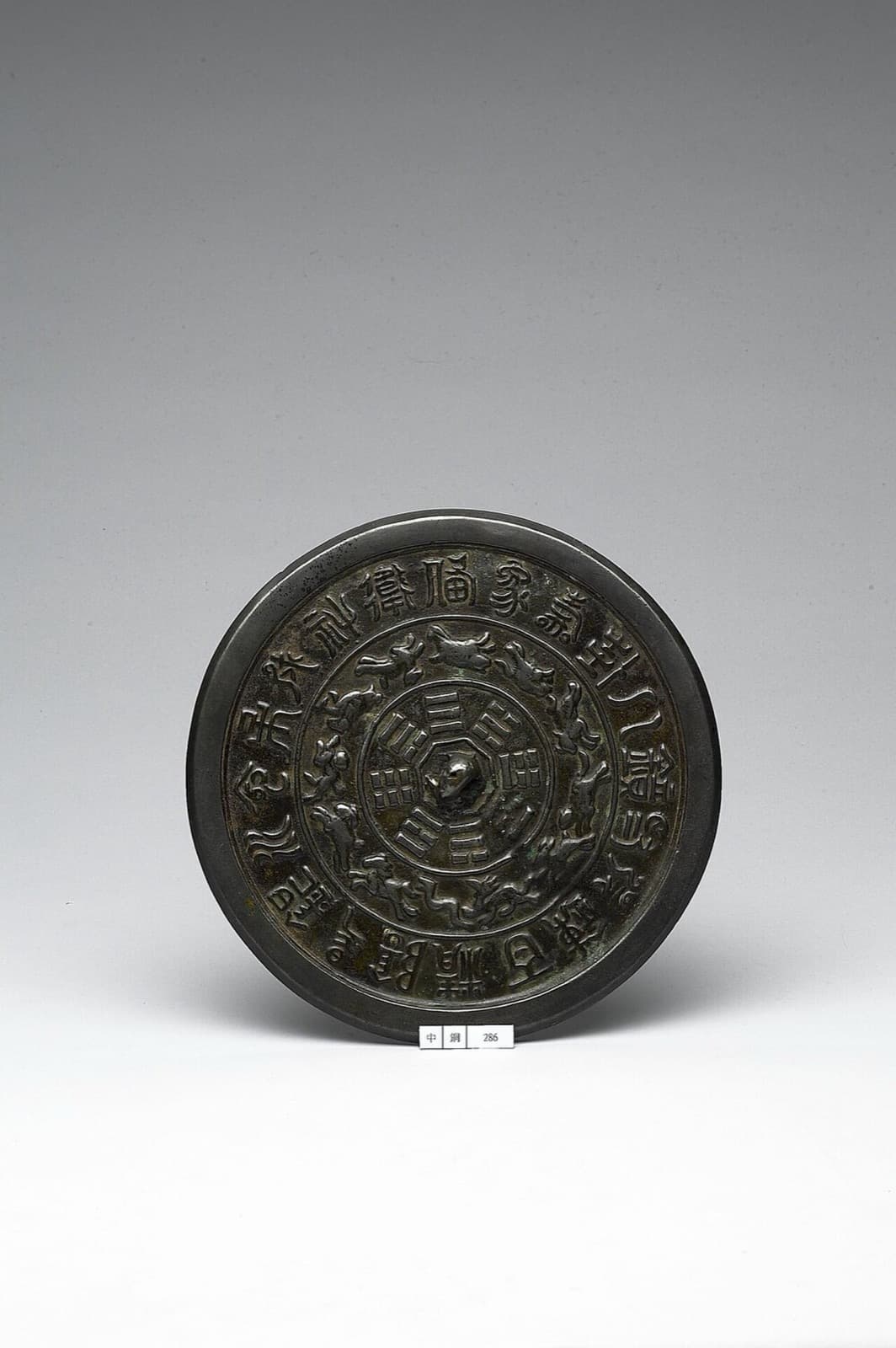
Introduction to the 24 Mountain Directions System
In Eastern feng shui, the 24 mountain directions (or 24 mountains, 24 positions) form a crucial foundation for determining the orientation of land, houses, and graves. This system divides the 360-degree circle into 24 equal parts, each spanning 15 degrees. The 24 mountains are created by combining 12 Earthly Branches (Zi, Chou, Yin, Mao, Chen, Si, Wu, Wei, Shen, You, Xu, Hai), 8 Heavenly Stems (Jia, Yi, Bing, Ding, Wu, Ji, Geng, Xin, Ren, Gui, but excluding Wu and Ji as they represent the center), and 4 trigrams from the Bagua (Qian, Kun, Gen, Xun). Specifically, the 24 mountains are: Zi, Gui, Chou, Gen, Yin, Jia, Mao, Yi, Chen, Xun, Si, Bing, Wu, Ding, Wei, Kun, Shen, Geng, You, Xin, Xu, Qian, Hai, Ren.
Each mountain has its own five element, trigram, and unique characteristics. Understanding each mountain helps practitioners apply feng shui accurately, avoiding mistakes in direction measurement and interpretation.
Position and Characteristics of Bing Mountain
Position on the Feng Shui Compass
Bing mountain lies between 157.5 and 172.5 degrees (clockwise from North), with its center at 165 degrees. On the compass, Bing mountain belongs to the Li trigram, i.e., the South direction. In the three mountains of the Li trigram, there are: Bing (southeast part of Li), Wu (due south), and Ding (southwest part of Li). Thus, Bing mountain is slightly toward the southeast relative to true south.
Five Element and Trigram Association
Bing mountain belongs to the Fire element and the Li trigram. Li trigram symbolizes fire, brightness, intelligence, and attachment. Therefore, Bing mountain carries Fire energy, reflecting enthusiasm, dynamism, and illuminating power. In nature, Fire represents the sun, light, and warmth.
Relationships with Other Elements
In the five element theory, Fire generates Earth, and Fire controls Metal. Hence, Bing mountain has a generating relationship with Earth-element mountains (like Kun and Gen) and a controlling relationship with Metal-element mountains (like Geng, Xin, and You). Additionally, Wood generates Fire, so Wood-element mountains (like Jia, Yi, Yin, Mao) can support Bing mountain.
Meaning of Bing Mountain Direction in Feng Shui
General Meaning
Bing mountain is often considered a favorable direction, bringing prosperity, reputation, and luck if used correctly. Fire element indicates rapid growth, enthusiasm in work, and leadership ability. Houses sitting or facing Bing are believed suitable for those seeking career advancement and ambition.
Ba Zhai Perspective
In the Ba Zhai school, each person has four auspicious and four inauspicious directions based on their Gua number (East or West group). Bing mountain belongs to the East group because it is in Li trigram. People with East group Gua numbers (Kan, Li, Zhen, Xun) can use Bing direction as favorable. Specifically:
- For Li Gua people, Bing direction is one of the good directions, usable for house orientation or stove direction.
- For Kan Gua people, Bing is an East group direction, potentially Sheng Qi (if specific calculations confirm; consult Ba Zhai charts).
However, determining good or bad directions must combine house orientation and the owner's Gua, not mechanically applied.
Xuan Kong Perspective
In the Xuan Kong (Flying Star) school, each mountain direction has a period cycle depending on time (period, year, month). Bing mountain combined with flying stars creates various auspicious or inauspicious combinations. For example, in Period 8 (2004-2023), Bing direction may receive the Wealth star (number 8) if sitting on suitable mountain, bringing wealth. Conversely, encountering bad stars like Wu Huang (number 5) may cause misfortune.
Accurate interpretation requires casting a Xuan Kong chart for each house based on orientation and construction time.
San He Perspective
The San He school emphasizes harmony among dragon vein, water, and direction. Bing mountain belongs to the Fire trinity (Yin, Wu, Xu). Thus, when using Bing mountain, consider whether surrounding terrain and water directions belong to Fire trinity to form a beneficial combination. If water comes from Yin or Xu directions, it may create a good pattern that enhances Bing mountain's energy.
How to Determine Bing Mountain Direction
Using a Feng Shui Compass
To accurately determine Bing mountain, use a feng shui compass (luo pan) with degree markings and 24 mountain ring. Steps:
- Stand at the center of the house or measurement point, rotate the compass so the needle points North (0 degrees).
- Read the degree on the ring at the desired direction (e.g., front door).
- If the degree falls between 157.5 and 172.5, that direction belongs to Bing mountain.
Measurement Notes
- Avoid metal objects or electronic devices near the compass.
- Measure multiple times at different spots for accuracy.
- If direction is near the boundary (e.g., close to 157.5), check carefully because it might belong to Si or Bing, each with different meanings.
Practical Applications of Bing Mountain Direction
Choosing House Orientation
Many people choose Bing direction for their house hoping to receive good energy from the South, especially sunlight, creating warmth and vitality. However, overall context, terrain, and owner's Gua must be considered.
Example: A Li Gua person (East group) living in a Bing-facing house may be relatively compatible, as both house orientation and Gua are in East group, creating harmony.
Placing Altar, Stove, Bed
Bing mountain is also used for important positions inside:
- Altar: Placing altar facing Bing can bring clarity and peaceful spirituality if compatible with owner's Gua.
- Stove: Stove facing direction (not placement) is often chosen by Gua. Bing stove direction suits Fire or Earth Gua people, as Fire generates Earth.
- Bed: Aligning bed toward Bing may help the sleeper feel warm and comfortable, but avoid if the person has Metal Gua, because Fire controls Metal.
Grave Placement
In Yin Zhai feng shui, Bing mountain is often used for grave orientation. However, this is complex, requiring analysis of dragon vein, water outlet, and many factors; not recommended for self-application.
Comparison with Neighboring Mountains
Si Mountain (142.5-157.5)
Si mountain lies before Bing (i.e., from 142.5 to 157.5 degrees). Si belongs to Fire element (in five elements, Si is Fire), but belongs to Xun trigram, not Li. Si carries wind energy, spreading, but also Fire nature. Compared to Bing, Si leans toward flexibility and adaptability, while Bing is more about clarity and decisiveness.
Wu Mountain (172.5-187.5)
Wu mountain is the center of Li trigram, due south. Wu belongs to Fire and Li trigram, but is the central position of Fire. Wu has the strongest energy among the three mountains of Li, often considered the epitome of Fire. However, Wu can also cause excessive heat, leading to disputes if not resolved. Bing is gentler and easier to use in many cases.
Ding Mountain (187.5-202.5)
Ding mountain lies after Wu, also Fire element but in the southwest part of Li. Ding is often considered a mountain bringing warmth but also relates to women and children. Compared to Bing, Ding has a more yin tendency, while Bing is more yang.
Related Views and Debates
In feng shui circles, there are differing opinions on using Bing mountain direction:
- Some say Bing direction should only be used for Fire or Earth Gua people, because Fire generates Earth, but Water Gua people should avoid it because Water controls Fire.
- Some schools emphasize combining mountain and direction, not just owner's Gua. For example, a house sitting Bing facing Ren (i.e., back to South, facing North) is common, considered good if there is water gathering in front.
Note that feng shui is not absolute science but an experiential knowledge system influenced by culture and belief. When applying, users should combine age, Gua, specific circumstances, and expert advice.
Conclusion
Bing mountain direction, in Li trigram, Fire element, is one of the important mountains in the 24 mountain system. Understanding its position, characteristics, and interpretation helps feng shui users gain deeper insight when choosing house orientation, arranging interiors, or performing land-related rituals. However, any application must be considered in overall context and consult professionals for best results.
Feng shui is an art and science of living environment, offering useful reference if used wisely and thoughtfully. Bing mountain direction is just a small piece of the larger picture, but understanding it brings us closer to harmony between people and living space.
