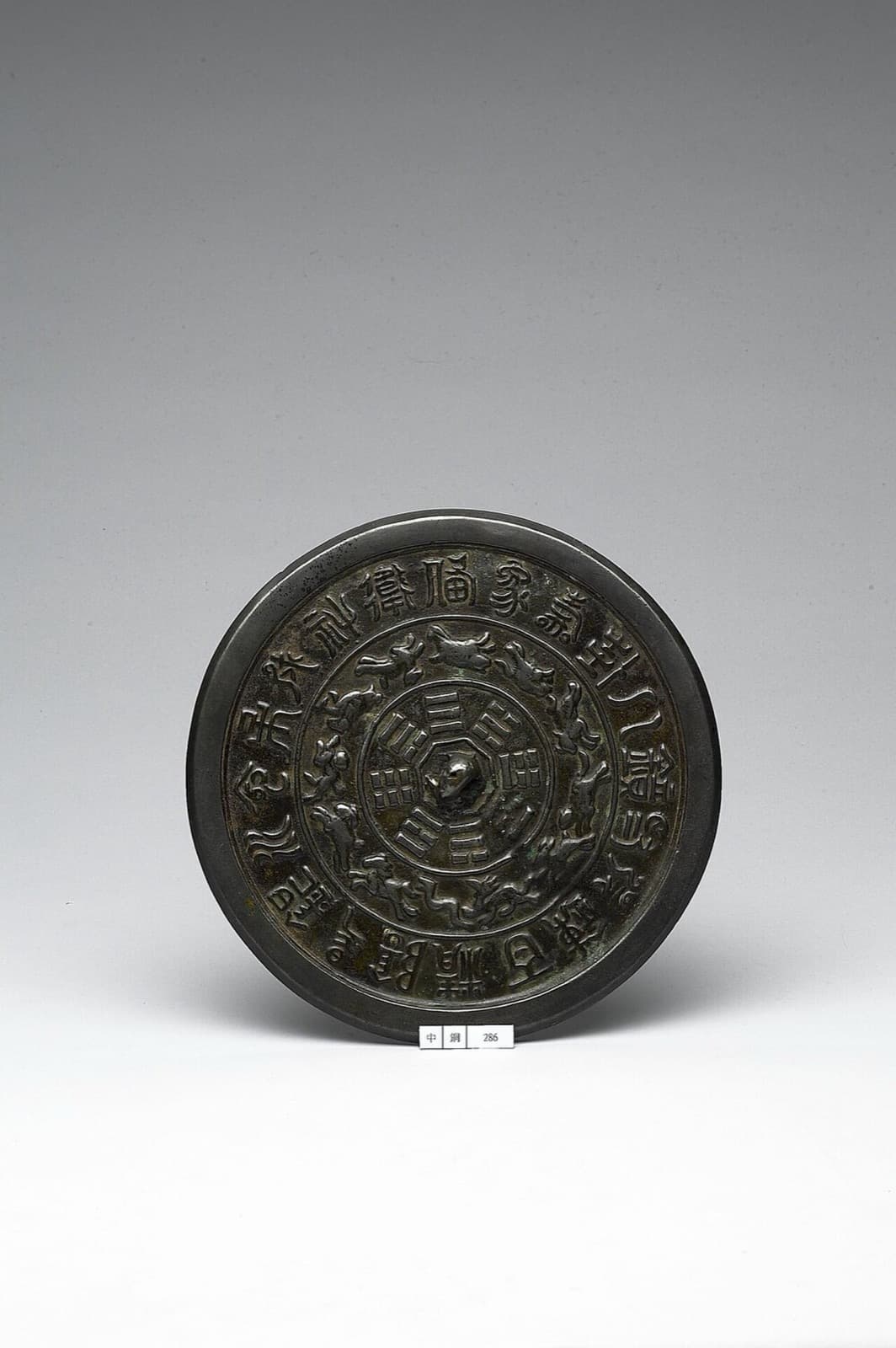
Introduction to the 24 Directions and the Position of Tuất
In Eastern feng shui, the 24-direction system is the core foundation for determining directions, analyzing earth energy, and selecting house and tomb orientations. This system divides the 360-degree compass into 24 equal parts, each spanning 15 degrees, named by combining the 12 Earthly Branches, 8 Heavenly Stems, and 4 Trigrams from the I Ching. The Tuất direction is one of the important directions under the Càn trigram, carrying multiple layers of profound meaning in feng shui practice.
In terms of geographical position on the compass, Tuất spans approximately from 292.5 to 307.5 degrees, centered at 300 degrees. It lies in the northwest part of the compass, just after the Tân direction (stem Tân) and before the Càn direction (trigram Càn). In relation to the 12 Earthly Branches, Tuất is the 11th branch, representing the 9th lunar month, late autumn, when all things begin to withdraw after a growth cycle.
Elemental Characteristics and Nature of Tuất
Five Elements of Tuất
Tuất belongs to the Earth element, but it is not pure Earth; it carries the energy of autumn. According to the generating and controlling cycle, Earth generates Metal, so Tuất has a special relationship with Metal directions such as Canh, Thân, Dậu, and Tân. Therefore, in many feng shui schools, Tuất is considered a place that stores and transforms Metal energy, facilitating the accumulation and release of autumn vitality.
The Càn Trigram Nature in Tuất
Tuất belongs to the Càn palace, one of the eight trigrams, symbolizing heaven, the father, creativity, and beginnings. Càn consists of three yang lines, expressing strength, initiative, and leadership. When Tuất carries Càn's energy, it represents strong beginnings, upward ambition, and latent leadership ability. However, since Tuất is the last branch of autumn, the yang energy of Càn has somewhat declined when entering Tuất, creating a blend of firmness and gentleness, beginning and ending.
Trine, Three Harmonies, and Clash Relationships of Tuất
Trine Group of Tuất
Tuất belongs to the Fire trine group, along with Dần and Ngọ, forming the triad Dần, Ngọ, Tuất. In this trine, Dần is the growth phase of Fire, Ngọ is the peak, and Tuất is the storage tomb, where Fire energy is collected and stored. Thus, Tuất is seen as the energy reservoir of the Fire group, playing a crucial role in regulating and storing the group's energy. When analyzing a house or tomb facing Tuất, practitioners examine the relationship between Tuất, Dần, and Ngọ to assess the overall strength of the group.
Three Sha and Clash Relationships
In the 24-direction system, Tuất clashes with Thìn (branch Thìn), as they are opposite each other across the central axis. Additionally, Tuất falls within the Three Sha group for Tỵ, Ngọ, and Mùi years. Specifically, in years or periods of Tỵ, Ngọ, or Mùi, the Tuất direction (northwest) is considered a Three Sha direction, requiring caution in groundbreaking, construction, or burial activities.
Role of Tuất in Feng Shui Schools
In Bát Trạch Feng Shui
According to the Bát Trạch school, Tuất belongs to the Càn palace, one of the four West-group palaces. Houses facing Tuất belong to the West group, aligning with favorable directions: Đoài (West), Cấn (Northeast), Khôn (Southwest), and Càn (Northwest). People of the West group living in a Tuất-facing house receive beneficial energy, especially for career and leadership. Conversely, those of the East group need to carefully assess main door, kitchen, and bedroom directions to mitigate potential disadvantages.
In Huyền Không Phi Tinh Feng Shui
For the Flying Star school, Tuất is assigned stars based on the period and mountain direction. In Period 8 (2004-2023), Tuất belongs to Period 8, carrying the energy of Star 8 White, an auspicious star for wealth and prosperity. However, in Period 9 (2024-2043), Tuất shifts to Period 9, carrying the energy of Star 9 Purple, associated with growth and reputation. Charting a Tuất-facing house requires precise degree measurement to calculate each star's strength and weakness in each palace for appropriate adjustments.
Practical Applications of Tuất
Choosing a House Facing Tuất
When building a house, selecting a Tuất-facing orientation requires considering multiple factors. First, accurately determine the facing degree, ensuring it falls within 292.5 to 307.5 degrees. If the facing shifts to Tân (before 292.5) or Càn (after 307.5), the feng shui meaning changes entirely. Second, assess the incoming energy flow, surrounding terrain, and presence of roads, rivers, or structures to evaluate energy accumulation or dispersion in the sitting area.
Combining Tuất with Other Factors
In practice, Tuất is often paired with Thìn (the opposite direction) to form the Tuất-Thìn axis. This axis runs diagonally from northwest to southeast, considered one of the important feng shui axes, corresponding to the relationship between Càn and Tốn trigrams. When a house sits Tuất and faces Thìn, practitioners analyze the interaction between these trigrams to understand the interplay of heaven and wind, power and penetration, thus assessing the overall fortune of the house.
Timing and Space Considerations
According to traditional feng shui, Tuất belongs to Earth, so years with Fire (Tỵ, Ngọ) or Earth (Sửu, Thìn, Mùi, Tuất) elements are generally more favorable for construction starting on a Tuất-facing house. Conversely, years with Wood (Dần, Mão) may clash with Earth, requiring careful consideration before important undertakings. Additionally, the Tuất month (9th lunar month) is when Tuất energy peaks, suitable for opening ceremonies, house entry, or deity placement rituals.
In-Depth Analysis of Specific Cases
Case: House Sitting Tuất Facing Thìn
This is the most common case, with the house facing southeast. It receives energy from the southeast (Tốn trigram), symbolizing ease in communication, learning, and career growth. However, since Tốn belongs to Wood, which controls Earth, mediation through Fire or Metal elements in interior design and colors is necessary.
Case: House Sitting Tuất Facing Southwest
Facing southwest (Khôn trigram) combines Càn and Khôn, creating a harmonious heaven-earth relationship. This case is considered favorable, as Càn and Khôn complement each other in the I Ching, symbolizing harmony between father and mother, heaven and earth. Such houses typically bring stability, family harmony, and ease in social relationships.
Case: House Sitting Tuất Facing Northeast
The combination of Tuất (Càn) and northeast (Cấn) connects two West-group trigrams. Cấn symbolizes mountains, stillness, and steadfastness, combined with Càn as heaven, creating an image of high mountains and vast sky, indicating a solid, long-lasting career. However, since both Càn and Cấn belong to Earth, excessive Earth may occur, requiring Metal or Water elements for balance.
Different Views on Tuất
Among feng shui researchers, opinions vary on Tuất's auspiciousness. Some schools emphasize its storage nature, suggesting it suits those needing stability and accumulation. Others view Tuất as a place where Fire energy is stored, capable of strong activation when the time is right, especially in periods with strong Fire or Earth. This divergence highlights that interpreting Tuất requires a holistic context of the entire chart, terrain, and time, not mechanical application.
Conclusion and Recommendations
The Tuất direction in the 24 directions is a rich topic requiring deep understanding across multiple knowledge layers, from elements and trigrams to principles of energy movement in space and time. Applying Tuất in practice should not stop at merely determining house orientation but must combine with overall analysis of terrain, landscape, ages, and specific family circumstances. Feng shui is a relative knowledge system; outcomes depend on various factors, so users should consult multiple experts and carefully consider before making important decisions about housing or construction.
Quick-Reference Table: the Tuất mountain
| Aspect | Content |
|---|---|
| Position among the 24 mountains | 21 |
| Type | Địa Chi |
| Direction | Northwest |
| Governing trigram | Càn |
| Compass range | 292.5° tới 307.5° |
| Dragon cycle | Địa |
*Số liệu trong bảng khớp với kết quả các công cụ tra cứu trên Nhật Nguyệt.*