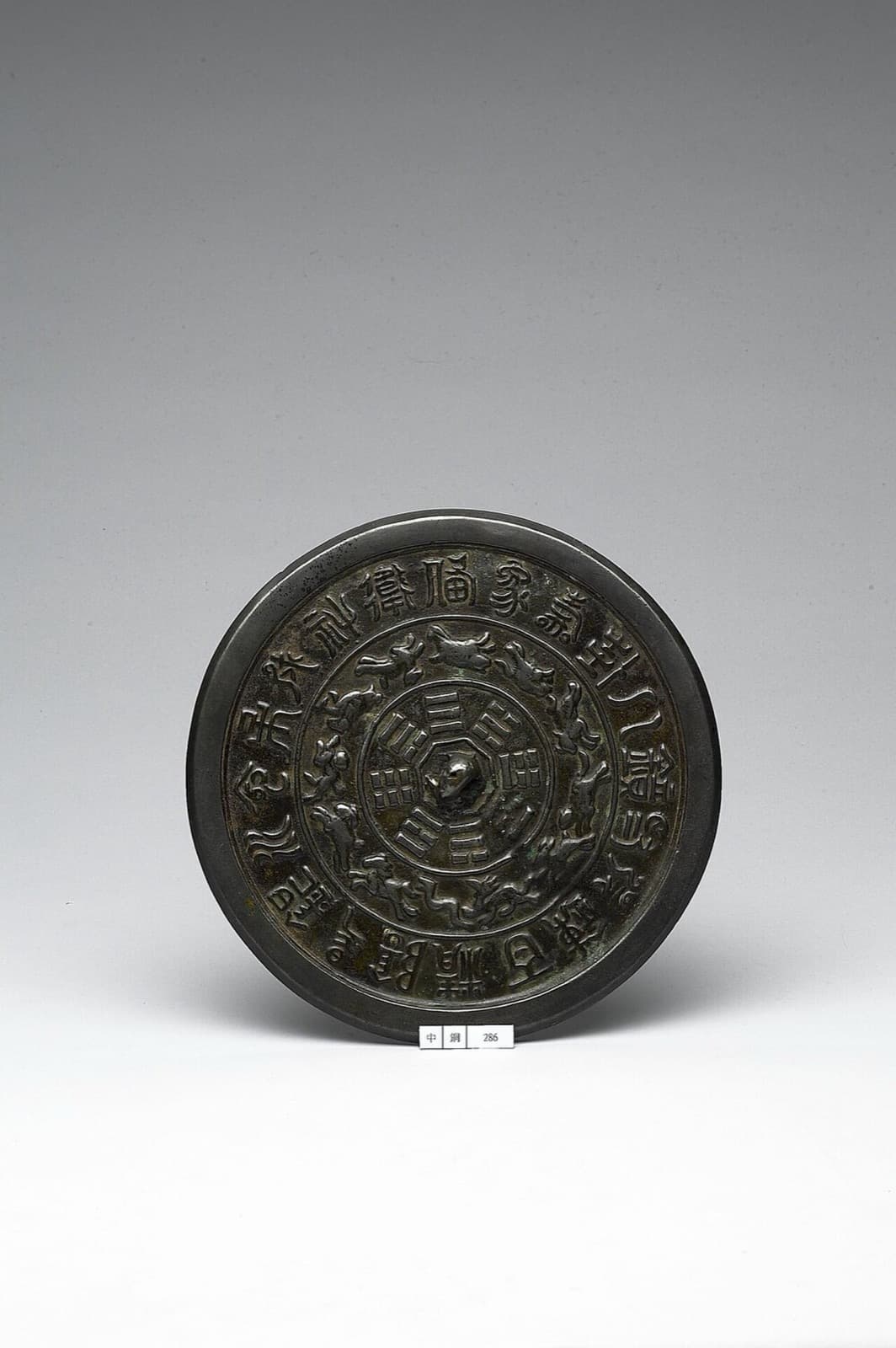
What question does an anthropologist ask when looking at feng shui?
An anthropologist does not begin with the question of whether feng shui works. They begin with a different question: what does feng shui do in social life, who uses it, what for, and how does it change. This framing neither denies nor confirms the efficacy of feng shui. It shows that feng shui, whatever its efficacy, is a practice with clear social functions.
Kind of knowledge: School: FeuchtwangSchool's interpretation. How one school or one book reads it; other schools may read it differently. The five labelsStephan D. R. Feuchtwang, in *An Anthropological Analysis of Chinese Geomancy* (1974, reprinted 2002), analyzes feng shui as a system of knowledge with internal structure, not a jumble of scattered beliefs. He divides feng shui into two major schools: the form school (hinh phap) and the compass school (ly khi). The form school reads the landscape with the eye: mountains, rivers, mounds, roads, house orientation. The compass school reads the landscape with the compass and various coefficients: can chi, bagua, nine stars. The two schools do not exclude each other. A geomancy master may use both, depending on the situation.
Feuchtwang does not judge feng shui true or false. He describes it as a symbolic system for reading landscapes, similar to how an anthropologist reads kinship systems or rituals. The important point is that this symbolic system has internal logic, rules, is learnable, and has professional practitioners.
Feng shui between Confucian orthodoxy and popular religion
Ole Bruun, in *Fengshui in China: Geomantic Divination between State Orthodoxy and Popular Religion* (2003), places feng shui in the tension between state and village. The Confucian orthodox state viewed feng shui with suspicion. It was popular knowledge, not in the classics, not controlled by the bureaucracy. But the state could not eliminate it either, because it was tied to burial, marriage, construction, matters the state needed to manage but could not fully control.
Bruun describes feng shui as a buffer zone between orthodoxy and popular religion. When the state was strong, feng shui was pushed into the private sphere. When the state was weak or changing, feng shui emerged as a way for people to organize their living space themselves. This is a historical description, not an evaluation of efficacy.
Ole Bruun, in *An Introduction to Feng Shui* (2008), presents the origins, theory, and transformation of feng shui when it moved to the West. He notes that Western feng shui has detached from the village and lineage framework. It became a personal service: home decoration, desk arrangement, bed orientation. This is a real transformation, neither decline nor progress, just different.
Feng shui as a way of reading space
Andrew L. March, in his article *An Appreciation of Chinese Geomancy* (*The Journal of Asian Studies*, 1968), proposes reading feng shui as a symbolic system about landscape. He does not ask whether feng shui measures magnetic fields. He asks what feng shui says about how people see land, water, mountains, rivers. According to March, feng shui is one of the ways humans assign meaning to space, similar to how Westerners speak of beautiful scenery or good land.
Kind of knowledge: School: MarchSchool's interpretation. How one school or one book reads it; other schools may read it differently. The five labelsThis reading helps place feng shui alongside other symbolic systems, without needing to compare it to natural science. March does not say feng shui is true. He says feng shui has meaning, and that meaning is readable.
Feng shui in traditional Vietnamese society
Gustave Dumoutier, in *Rituel funéraire des Annamites* (1904), records the practice of reburial and the role of the geomancy master in Vietnamese funerals in the early 20th century. He describes that when someone died, the family sought a geomancy master to choose burial land. If misfortune followed, the family could rebury, dig up the bones and bury them elsewhere. Dumoutier notes that the fortune of the whole lineage, not only the present generation but future ones, was believed to depend on the choice of land. This is a record by a colonial official, not a professional anthropologist, but it shows feng shui was tightly linked to funerals and lineages in Vietnam.
Dumoutier also records that Cao Bien, a Tang dynasty administrator in Annam in the 9th century, was honored as a patriarch by Vietnamese geomancy masters. According to tradition, Cao Bien sought out royal graves to suppress them, preventing Annam from producing kings. Do Lan Hien, in an article in *Nghiên cứu Tôn giáo* (2013), recalls this tradition and notes that despite Cao Bien, the Tang still lost the country, and Vietnam still produced great figures. This is a tradition attributing authorship, not a proven event. Modern research does not treat it as historical evidence.
Kind of knowledge: UnprovenNot enough evidence. Someone has claimed it, but no source or study is strong enough to confirm it. The five labelsThere is no academic research in this article's source list about Ta Ao, nor about Vietnamese feng shui under the monarchy. What we know about traditional Vietnamese feng shui comes mainly from foreign records or oral tradition. This is a gap that needs to be stated clearly.
Korea: feng shui in capital planning and burial
Hong-key Yoon (editor), in *P'ungsu: A Study of Geomancy in Korea* (2017), gathers studies on Korean feng shui. The book presents Korean feng shui in capital planning, site selection for capitals, and burial. This is a useful comparative case for Vietnam, since Korea was also influenced by Confucianism and also had a feng shui tradition tied to the state and lineages.
Kind of knowledge: School: YoonSchool's interpretation. How one school or one book reads it; other schools may read it differently. The five labelsThe studies in this book do not ask whether Korean feng shui works. They ask how feng shui was used in organizing space, and what that use says about Korean society. Research results from Korea do not automatically apply to Vietnam. To know Vietnamese feng shui, one needs research on Vietnamese people.
Apartment buyers in Hanoi today
Truong Thi Thuy Ha, in research on the trend of applying feng shui in contemporary urban housing in Hanoi, notes that feng shui is a factor that buyers, investors, and designers care about, alongside location, construction quality, and services. The research is based on interviews and a survey of 200 apartment households at Kim Van, Kim Lu, Nguyen Xien Street, Dai Kim Ward, Hoang Mai District, Hanoi, in June 2015. This is data on a specific group in Hanoi, not representative of the whole country.
The research shows feng shui has shifted from village to apartment. Apartment buyers care about house orientation, kitchen arrangement, altar placement, and other factors. This is a real transformation, similar to the one Bruun describes in the West, but in Vietnam it is tied to the urban real estate market.
Table: academic studies on feng shui
| Author | Year | Data scope | Main finding |
|---|---|---|---|
| Stephan D. R. Feuchtwang | 1974 | China, anthropological analysis | Feng shui is a structured symbolic system, with two schools: form and compass |
| Andrew L. March | 1968 | China, symbolic analysis | Feng shui is a way of reading space, no need to compare with natural science |
| Ole Bruun | 2003 | China, history | Feng shui sits between Confucian orthodoxy and popular religion |
| Ole Bruun | 2008 | China and the West | Western feng shui detached from village, became personal service |
| Hong-key Yoon (editor) | 2017 | Korea | Feng shui in capital planning and burial |
| Truong Thi Thuy Ha | 2016 | 200 apartment households in Hanoi, 2015 | Feng shui is a factor home buyers care about |
Real effects born from belief
One point needs to be stated clearly: belief in feng shui can produce real effects. If home buyers believe a good orientation, they buy, and prices for that orientation may rise. If people believe burial in the right place, the lineage feels at ease, members behave differently, and outcomes may differ. This is a self-fulfilling effect, not feng shui predicting correctly. It should be said exactly that way: not calling it feng shui predicting correctly, nor denying the effect. Research on self-fulfilling effects in similar beliefs exists, but there is no research on Vietnamese people in this article's source list.
Western feng shui: from village to living room
Bruun (2008) describes the transformation of feng shui when it moved to the West. In China, feng shui was tied to village, lineage, burial, and the state. In the West, it detached from those. It became a personal service: home decoration, office arrangement, desk orientation. The buyer is an individual, not a lineage. The feng shui master is a service expert, not a keeper of village knowledge.
Kind of knowledge: School: BruunSchool's interpretation. How one school or one book reads it; other schools may read it differently. The five labelsThis is a transformation in social function, not in technical content. The compass is still a compass. The bagua is still the bagua. But what feng shui does in society has changed. In China, it helped lineages contest and hold power. In the West, it helps individuals feel at ease in their homes.
Feng shui in the eyes of historians: not a question of true or false
Historians do not ask whether feng shui is true or false. They ask how feng shui was used, in what context, by whom, and for what. Feuchtwang, Bruun, March, and Yoon all do this. They do not conclude feng shui works. They conclude feng shui has functions.
Kind of knowledge: School: Nhật NguyệtSchool's interpretation. How one school or one book reads it; other schools may read it differently. The five labelsThis approach does not deny feng shui. It simply places feng shui in its proper place: a social practice with history, function, and transformation. Practitioners of feng shui today can read these studies to understand more about the tradition they are continuing. Non-practitioners can read to understand why feng shui still exists. Neither needs to conclude feng shui is true or false.
This article does not conclude about the efficacy of feng shui. It presents the social functions and history of feng shui through academic studies. Where evidence is lacking, the article says so clearly. Where schools disagree, the article notes it. Readers who want to learn about foundational principles and applications can read What Is Feng Shui? Foundational Principles and Applications.