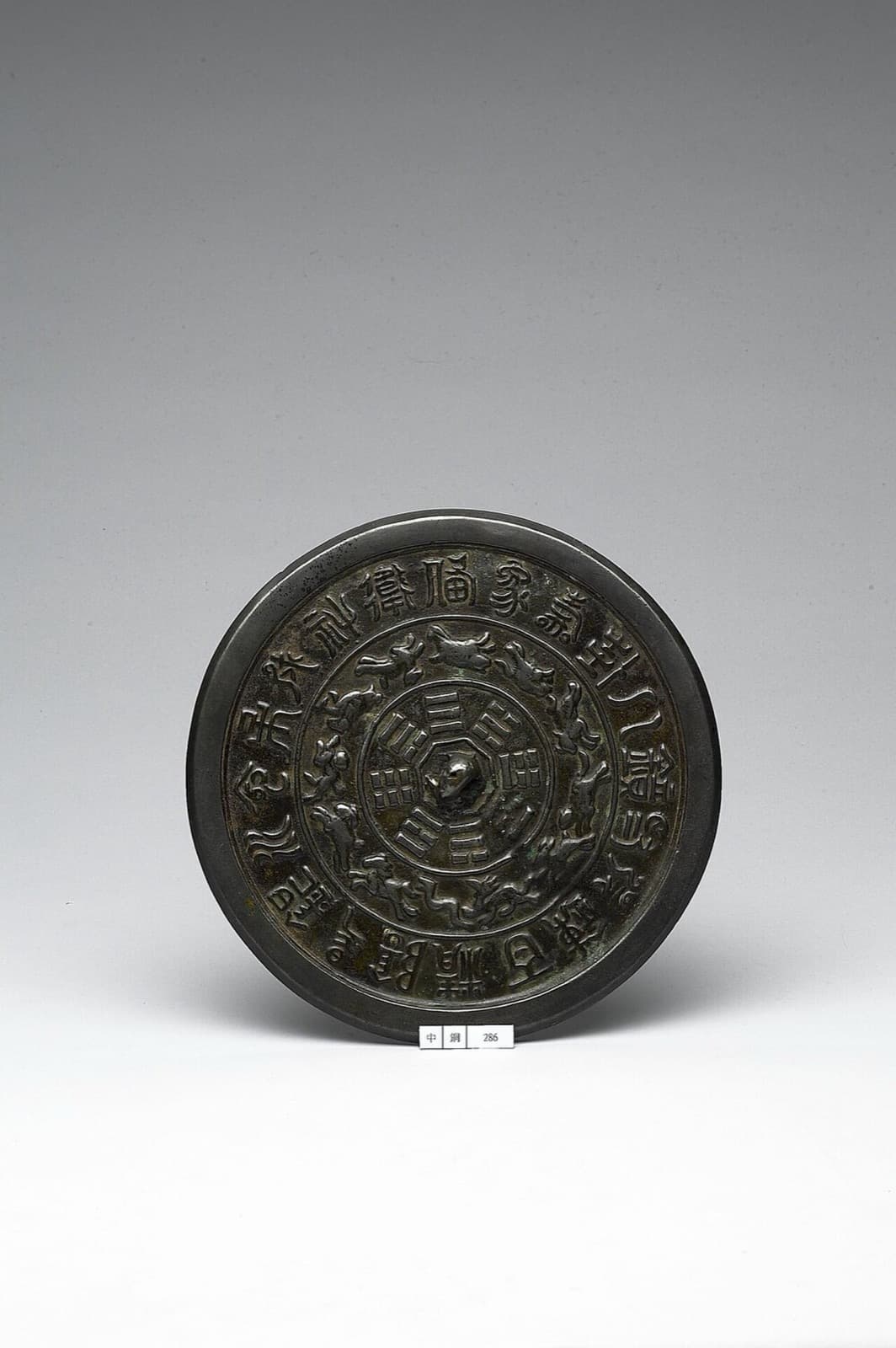
Introduction to the 24 Mountains System and the Position of Si Mountain
The 24 mountains system is a core foundation of Luojing feng shui, widely used in San He, San Yuan, and Xuan Kong schools. This system divides the 360-degree compass into 24 equal sections, each 15 degrees wide, corresponding to 24 directions named by combining the 12 Earthly Branches, 10 Heavenly Stems (excluding Wu and Ji, which belong to the central palace), and 4 trigrams of the Bagua (Qian, Kun, Gen, Xun).
Si mountain is one of the 24 mountains, part of the triple-mountain group of Xun trigram, which includes Chen, Si, and the Xun trigram itself. Specifically, Si mountain spans from 112.5° to 127.5° on the compass, measured clockwise from north at 0 degrees. The exact center of Si mountain lies at 120°, corresponding to due southeast. Its boundaries touch Chen mountain on the left (from 112.5° to 120°) and Xun trigram on the right (from 120° to 127.5°).
In terms of five elements, Si mountain belongs to Fire. According to Earthly Branch rules, Si is the sixth branch, grouped in the Fire trine with Wu and Wei. In nature, Si symbolizes the snake, a reptile that prefers warm climates and appears in summer. The Si hour runs from 9 to 11 AM, when the sun is high and temperatures rise.
Operational Principles and Five-Element Relationships of Si Mountain
Na Yin Five Elements and Impact on Interpretation
In feng shui, each mountain has multiple layers of five elements. Beyond the basic five element of the branch (Si is Fire), Si mountain is also considered through Na Yin, the combination of stem and branch. However, since Si mountain in the 24 mountains is not linked to a specific Heavenly Stem (as stems like Geng and Xin are assigned to You mountain, Ren and Gui to Zi, etc.), its Na Yin is typically derived from its governing trigram, Xun. Xun belongs to Wood, thus Si mountain has a close connection to the Wood energy of Xun, creating a Wood-generates-Fire relationship that nourishes and sustains Si's Fire energy.
Sheng Ke Interactions in Determining Auspiciousness
When interpreting a house with Si mountain or facing Si, practitioners examine interactions between the mountain's element and those of the current period, the sitting (rear mountain), and the water (front flow). Since Si is Fire, Wood elements (such as plants or green colors) support Fire energy and are considered beneficial. Conversely, Water elements (like ponds, black or blue colors) can overcome Fire, requiring careful consideration of the building's position and posture.
In the Ba Zhai school, Si mountain belongs to Xun trigram, one of the four Eastern palaces. Therefore, a house sitting Si and facing Hai, or sitting Hai and facing Si, falls under Eastern palaces, suitable for people with Eastern life trigrams such as Zhen, Xun, Li, and Kan.
Practical Application in Identifying and Interpreting Si Mountain
How to Identify Si Mountain on Site
To accurately determine if a house has Si mountain, a feng shui compass is placed at the building's center point. Measurements must be taken away from metal interference, electronic devices, or magnetic objects. When the compass needle points between 112.5° and 127.5° (southeast), the house is identified as having Si mountain.
Important: The 15-degree span of Si mountain is further divided into three 5-degree segments. If the needle points exactly to the center at 120° (called the main mountain), it is considered optimal. If it points near the boundary with Chen (around 112.5°) or Xun (around 127.5°), it is a boundary direction, which can cause confusion in interpretation and is often seen as less ideal due to mixed energy.
Interpreting Si Mountain in Different Feng Shui Schools
In Xuan Kong Flying Stars, each mountain is paired with a star from the Nine Stars. Si mountain belongs to Xun, corresponding to the Wen Chang star (star 4) in the current Period 8. Wen Chang governs intelligence, academics, exams, and fame. When Si mountain receives the vital energy of Wen Chang, residents may find advantages in writing, education, media, or artistic creativity.
The San He school, meanwhile, emphasizes terrain and watercourses. Si mountain is part of the Fire trine with Wu and Wei. Water coming from Wu and flowing toward Wei, or vice versa, creates favorable water formations for a house sitting Si. Conversely, water from Zi (Water trine) flowing toward Chen creates conflict, as Water overcomes Fire, potentially causing health issues, particularly heart or blood pressure problems, according to five-element correspondences with the body.
Meaning of Si Mountain in Relation to Living Space
Effects on Residents' Health and Spirit
According to five-element body correspondences, Si's Fire energy relates to the cardiovascular system, blood pressure, and mental state. A house with thriving Si mountain Fire can bring enthusiasm, dynamism, and creativity. However, excessive Fire without control may lead to irritability, impulsiveness, and emotional instability. Therefore, balancing Fire by adding Earth elements (yellow, brown, stones) or Metal elements (white, gray, metals) is essential for harmony.
Influence on Career and Social Relationships
The Xun trigram also symbolizes penetration, spread, and communication. Since Si belongs to Xun, residents often possess strong communication skills, easily connect with others, and suit careers requiring social finesse. Additionally, Xun is linked to the eldest daughter in the family according to Bagua family theory, so Si mountain particularly influences the position and role of adult women in the household.
Specific Cases and Remedies for Unfavorable Si Mountain
House Sitting Si Facing Hai and Points to Note
A house sitting Si and facing Hai has its back to the southeast (Si) and its front to the northwest (Hai). In Ba Zhai, this is an Eastern palace house, suitable for Eastern life trigrams. However, the current period's energy must also be considered. In Period 8 (2004-2023), the facing Hai receives the Seven Red star (Po Jun), which can bring disputes or legal issues if not properly addressed. Placing a fish tank or Water-element items in the facing direction can help moderate the harmful energy of the Seven Red star.
House Sitting Hai Facing Si and Positive Points to Enhance
Conversely, a house sitting Hai and facing Si has its front facing southeast, directly receiving Si's Fire energy. In Period 8, the Si facing receives the Nine Purple star (You Bi), which governs luck and joyful events, especially becoming the dominant star in Period 9 (2024-2043). A house facing Si in Period 9 is predicted to attract opportunities in reputation, career, and social connections. However, since Nine Purple is Fire and Si is also Fire, care must be taken to avoid excessive Fire leading to hasty decisions.
Adjustment Methods When Si Mountain Is Weak or Meets Harmful Energy
When Si mountain faces adverse factors such as a straight road pointing at the house, high-voltage poles, or sharp structures (Fire sha), residents can use these remedies:
- Place Earth-element items like terracotta pots or yellow-brown ceramic vases in affected areas to drain Fire, as Fire generates Earth, reducing sha intensity.
- Plant green trees (Wood) in front of the house to create a barrier and transform sha into beneficial energy, as Wood conducts Fire but can also soften its harm when arranged properly.
- Use harmonious colors in interior design, such as neutral Earth tones (cream, light yellow, earthy brown) for stability, avoiding excessive red or orange (Fire) or deep black or blue (Water) in main living spaces.
Conclusion and Notes on Applying Si Mountain
Si mountain, with its unique position in Xun trigram and Fire element, offers feng shui practitioners deep insight into the flow of energy in space. Understanding Si mountain helps not only determine house direction accurately but also opens refined interpretive methods regarding human-environment relationships.
However, feng shui is a complex knowledge system; interpretations of a specific mountain cannot be isolated from overall factors like terrain, time, residents' destinies, and architectural structure. A theoretically favorable Si mountain may become ineffective if not harmonized with other elements. Conversely, a challenging Si mountain can be significantly improved through appropriate spatial adjustments.
The key is for practitioners to maintain an open, scientific mindset and avoid absolutizing any rule. Feng shui should be seen as a useful reference tool for creating balanced, harmonious, and positive living environments, rather than a rigid system for predicting fate.
Quick-Reference Table: the Tỵ mountain
| Aspect | Content |
|---|---|
| Position among the 24 mountains | 11 |
| Type | Địa Chi |
| Direction | Southeast |
| Governing trigram | Tốn |
| Compass range | 142.5° tới 157.5° |
| Dragon cycle | Nhân |
*Số liệu trong bảng khớp với kết quả các công cụ tra cứu trên Nhật Nguyệt.*