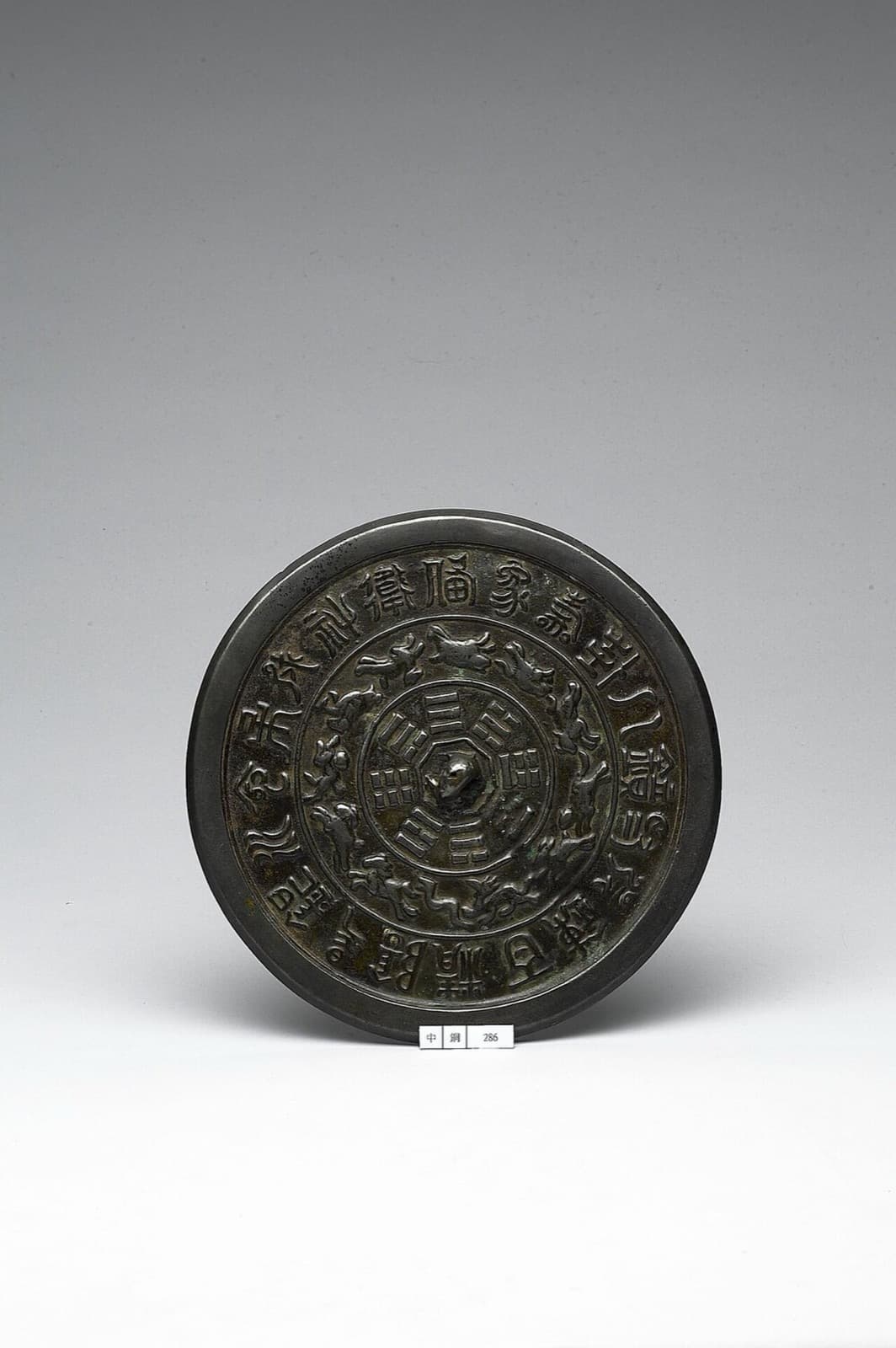
Introduction to the 24 Feng Shui Directions
The system of 24 directions is a fundamental framework in Eastern feng shui, used to determine precise orientations for homes, graves, or architectural structures. Unlike a standard compass that divides into 8 main directions, the 24 directions divide the 360-degree circle into 24 equal parts, each spanning exactly 15 degrees. This system merges the 12 Earthly Branches, 8 Heavenly Stems, and 4 trigram orientations, creating a more refined and detailed measurement tool than simple divisions.
Each of the 24 directions carries a unique meaning tied to the five elements, yin and yang, and natural cycles. Understanding each direction helps feng shui practitioners gain deeper insights into how qi flows in living spaces, enabling appropriate adjustments.
Position and Basic Characteristics of the Dan Mountain
The Dan Mountain sits at 60 degrees on the feng shui compass, placing it in the transitional zone between Northeast (45 degrees) and East (90 degrees). Within the 24 directions, Dan lies between Chou (30 degrees) and Jia (75 degrees). Temporally, Dan corresponds to the first lunar month and the Dan hour from 3 AM to 5 AM.
In terms of the five elements, Dan belongs to Wood and carries Yang nature. It is among the most vigorous directions in the system because Wood represents growth, vitality, and new beginnings. In nature, Wood is linked to trees, life, and relentless upward movement.
In the eight trigrams, Dan falls under the Gen trigram, which symbolizes mountains, stillness, and steadfastness. The combination of Wood's dynamic quality with Gen's stable nature creates a unique duality: both the calm solidity of mountains and the lively growth of vegetation.
Symbolic Meaning of the Dan Mountain
Dan carries deep symbolic layers. In Eastern culture, Dan is the Tiger, one of the 12 zodiac animals, symbolizing strength, courage, and authority. The tiger is regarded as the king of beasts, the leader among wild animals. Thus, Dan is often associated with power, valor, and protective ability.
Chronologically, the Dan hour is just before dawn, when all things awaken for a new day. The image of the tiger at this hour is like a fierce tiger emerging from the mountains, ready to face challenges. This makes Dan a symbol of powerful beginnings and grand undertakings about to be realized.
In the generating and overcoming cycles of the five elements, Wood of Dan has close ties with other elements. Wood generates Fire, so Dan can support spaces needing warmth and energy. Water generates Wood, so Dan gains strength near Water elements. Conversely, Metal overcomes Wood, so Dan faces disadvantage when combined with overly strong Metal elements.
Interpreting Dan in Specific Cases
Dan in Determining House Direction
When setting a house direction using Dan, multiple factors are considered. A house sitting Dan and facing Shen is common. Here, the back faces Northeast and the front faces Southwest. The combination of Dan (Wood) and Shen (Metal) creates an overcoming relationship that needs mitigation through various methods.
Conversely, a house sitting Shen and facing Dan has its front toward Northeast. This orientation is considered promising for those in creative fields, startups, or areas requiring breakthroughs. However, interpretation depends not only on the direction but also on the current period, the owner's destiny, and other elements.
Dan Combined with Adjacent Directions
In practice, Dan rarely stands alone; it is assessed in relation to neighboring directions. Dan sits between Chou and Jia, each influencing its interpretation.
Chou belongs to Earth and is Yin. When Dan combines with Chou, there is a mild overcoming between Wood and Earth. Yet, this pairing can be supportive if skillfully used, as Wood can enliven and enrich Earth.
Jia belongs to Wood and is Yang, sharing the same element as Dan. Combining two Wood directions is considered favorable, creating strong energy resonance. Structures at the boundary of these two directions often have good qi for growth.
Dan in Grave Feng Shui
In yin feng shui, selecting direction for graves is vital. Dan is suitable for elevated terrain with solid mountains or mounds behind. This orientation helps descendants stay healthy, decisive, and ambitious.
Caution is needed because Dan is Wood; placing graves in overly damp areas or near large water sources can cause Wood to become waterlogged, leading to negative effects. Surveying terrain and hydrology before deciding is essential.
Practical Applications of Dan in Modern Life
Choosing Desk Direction
For those in creative, media, or business fields, placing a desk facing Dan can bring abundant inspiration. The Wood element and tiger symbol boost confidence, aiding bold and wise decisions.
However, those in finance, accounting, or roles requiring absolute stability should carefully consider this direction, as Dan's strong, sometimes impulsive nature may clash with work that demands caution.
Arranging Living Spaces
In homes, the Dan area typically lies in the northeast corner. This zone suits an altar, study, or reception area. Placing plants here enhances Wood qi, creating freshness and vitality.
Conversely, avoid placing toilets or wastewater areas in the Dan position, as this can conflict between impurities and pure Wood qi, affecting family health.
Multiple Perspectives on Dan
It must be emphasized that in feng shui, no direction is wholly good or bad; Dan is no exception. Its interpretation must consider the overall context of the house, land, and owner.
A house sitting Dan and facing Shen may benefit one person but not another, depending on individual destiny and house matching. Therefore, consulting experienced feng shui practitioners is advisable before making significant decisions.
Conclusion
The Dan Mountain in the 24 directions is a rich topic with many layers of meaning. From its specific compass position, Wood Yang nature, to the powerful tiger symbol, this direction holds many potentials and challenges in interpretation.
Understanding Dan not only deepens practitioners' knowledge but also opens new perspectives on applying feng shui in modern life. Yet, like all Eastern doctrines, feng shui should be approached objectively, scientifically, and in conjunction with other factors to make the most sensible decisions.
Quick-Reference Table: the Dần mountain
| Aspect | Content |
|---|---|
| Position among the 24 mountains | 5 |
| Type | Địa Chi |
| Direction | Northeast |
| Governing trigram | Cấn |
| Compass range | 52.5° tới 67.5° |
| Dragon cycle | Nhân |
*Số liệu trong bảng khớp với kết quả các công cụ tra cứu trên Nhật Nguyệt.*
