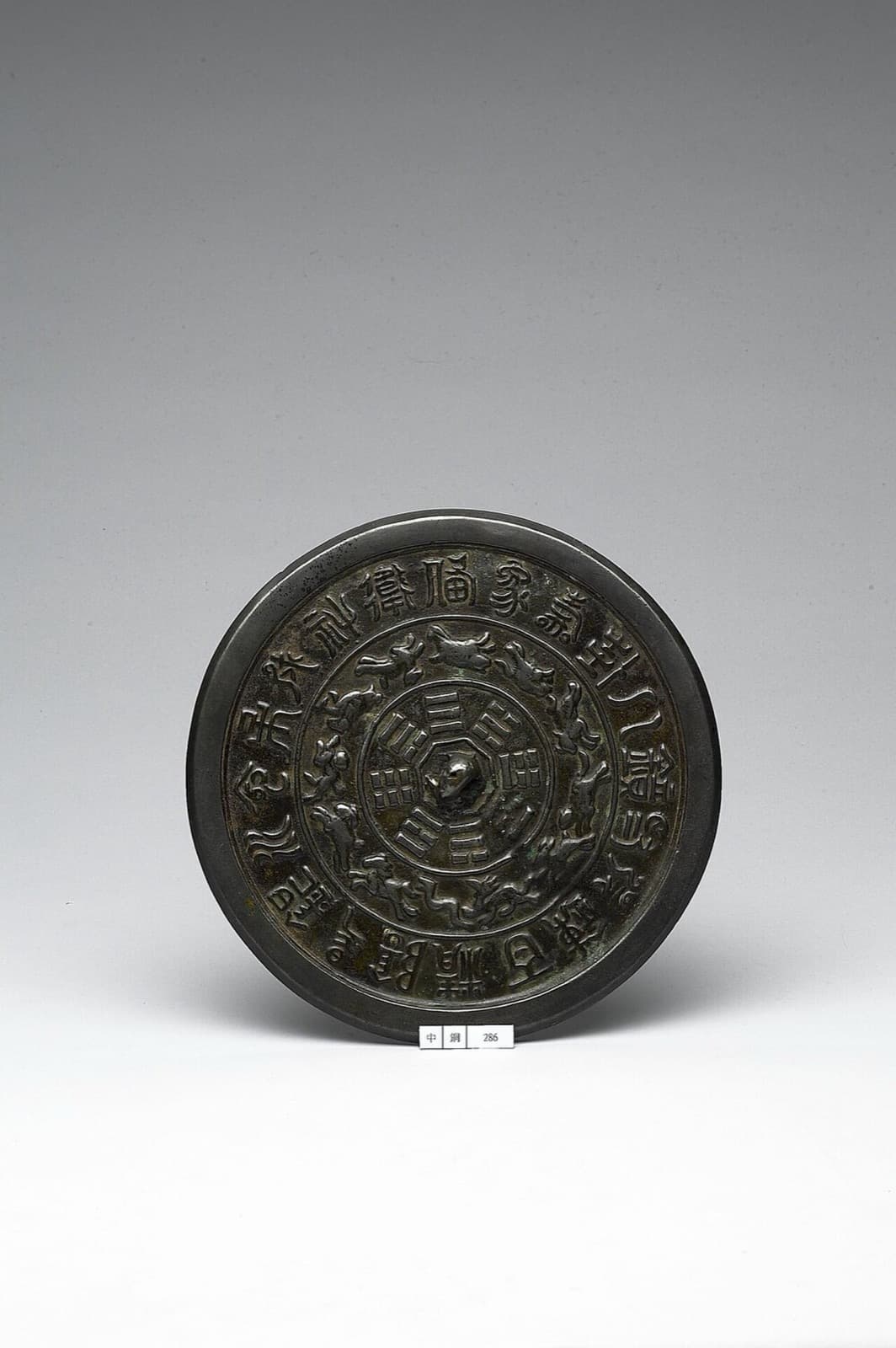
Introduction to the 24 Mountain Directions System and the Position of Hợi Mountain
The 24 mountain directions system is the core foundation of the Luo Pan (Feng Shui compass), used to determine the precise orientation of houses, graves, and architectural structures. This system divides the 360-degree circle into 24 equal parts, each 15 degrees wide, named by combining the 12 Earthly Branches, 8 Heavenly Stems, and 4 Trigrams of the Bagua (Càn, Khôn, Cấn, Tốn).
Among these, Hợi Mountain (亥) is one of the 12 Earthly Branches, holding a particularly significant position. On the compass, Hợi Mountain spans from approximately 322.5° to 337.5° (measured clockwise from North), situated between Nhâm Mountain (a Heavenly Stem) and Càn Mountain (a Bagua trigram). In terms of time, Hợi corresponds to the 10th lunar month, the transition from late autumn to early winter, when all things begin to retreat and prepare for the cold winter.
Five Elements and Nature of Hợi Mountain
Hợi Mountain belongs to the Water element, but it is not pure Water like Tý or Quý Mountains. Hợi marks the beginning of the Water element in the 12 Earthly Branches cycle, thus it embodies 'Yang Water' but in an early, immature, and latent stage. In the Five Elements theory of mutual generation and control, Water generates Wood, so Hợi Mountain has a particularly supportive relationship with Wood-element directions.
From a Yin-Yang perspective, Hợi is Yang Water, but because it lies at a transitional point (from late autumn to winter), it also carries Yin qualities. This combination creates a unique characteristic: Hợi Mountain has both the strength and decisiveness of Yang, and the depth and introspection of Yin. Therefore, houses or graves facing Hợi Mountain are often said to bring intelligence, sharpness, and caution to the owners.
Symbolic Meaning and Cultural Significance
In Eastern culture, Hợi is the last zodiac animal, representing the pig. The pig in Asian culture is associated with abundance, sufficiency, peace, and simplicity. However, on a deeper level, Hợi also represents hidden wisdom and unassuming intelligence. The pig in nature has an extremely keen sense of smell, able to find things hidden underground, similar to the ability to see through the essence of matters that Hợi Mountain bestows.
Regarding time, the Hợi hour (9 PM to 11 PM) is the quietest period of the day, when noisy activities have subsided. This is a suitable time for contemplation, introspection, and planning. Thus, Hợi Mountain is linked to the stillness needed for inner development, like a seed needing dark, quiet soil to germinate.
Favorable Configurations When Using Hợi Mountain
Hợi Mountain Aligned with Tỵ Direction (Hợi Sơn Tỵ Hướng)
This is the most common configuration using Hợi Mountain, belonging to the 'thập đạo đồng tông' type (mountain and direction on the same axis of symmetry). Hợi and Tỵ are two opposing Earthly Branches in the 12 Earthly Branches, forming an axis from North-Northwest to South-Southeast. In terms of Five Elements, Hợi belongs to Water, and Tỵ to Fire, creating a Water-Fire conflicting relationship, but in a balanced state if arranged properly.
In feng shui, the Hợi Sơn Tỵ Hướng configuration is often considered good for those in communication, media, education, or business requiring flexibility. Hợi Mountain provides a foundation of knowledge and patience, while the Tỵ direction (Fire) brings enthusiasm, reach, and inspirational ability. This combination is likened to a flame ignited from the water of wisdom, creating enduring and profound strength.
Combining with Auspicious Stars in Xuan Kong Flying Stars
When analyzing Hợi Mountain in Xuan Kong Flying Stars, one must consider the interaction between current period luck and the house's orientation. In Period 8 (2004-2023) and Period 9 (2024-2043), if Hợi Mountain receives auspicious stars like Vũ Khúc (star 6, representing power and fame), Tham Lang (star 1, representing wisdom and new opportunities), or Tả Phù (star 8, representing wealth and prosperity), Hợi Mountain will maximize its potential.
Especially, Hợi Mountain combined with Tham Lang (star 1) is considered extremely favorable for academic pursuits, research, and intellectual development. Hợi belongs to Water, and star 1 also belongs to Water; this resonance creates a powerful energy field supporting learning, creativity, and strategic thinking. Numerous case studies show that houses facing Hợi Mountain with star 1 at the mountain often have children excelling academically, or the owners themselves make significant strides in intellectual work.
Unfavorable Configurations to Avoid and Remedies
Hợi Mountain Clashing with Tai Sui or Tam Sát
Tai Sui is the deity governing the year, changing position annually on a 12-year cycle. When Hợi Mountain coincides with the Tai Sui position of a particular year, it is called 'phạm Thái Tuế' (offending Tai Sui). Building, groundbreaking, or major renovations in a year when Hợi Mountain offends Tai Sui is believed to bring obstacles, disputes, and poor health. However, note that this is a traditional view; many modern feng shui schools consider the impact depends on other factors like the owner's natal chart and the overall house structure.
Tam Sát refers to three harmful positions derived from the year's Triple Harmony group. For years in the Hợi-Mão-Mùi Triple Harmony group (Hợi, Mão, Mùi years), Tam Sát resides in the Tỵ, Dậu, Sửu directions (i.e., Southwest, West, and Northwest). Then, if Hợi Mountain falls within the area affected by Tam Sát, extra caution is needed for groundbreaking, construction, or structural changes.
Hợi Mountain Encountering Sha Qi from Terrain
In Loan Đầu feng shui (examining actual terrain), Hợi Mountain lies in the Northwest, the direction of the Càn trigram, symbolizing the father or leader. If the area behind the house (at Hợi Mountain) has bad features like a straight road pointing at it, power poles, dead trees, or overwhelming tall buildings, it creates sha qi affecting the father or the family's main provider. Common signs include headaches, blood pressure issues, or career setbacks.
To remedy, one can use feng shui items like white quartz crystals (Metal element, as Metal generates Water, enhancing positive energy for Hợi Mountain), or plant greenery (Wood element, as Water generates Wood) in this area to harmonize the qi. However, the most effective way is to alter the structure or rearrange the space to minimize direct impact of sha qi.
Practical Applications of Hợi Mountain
In Residential Construction
When considering building a house facing Hợi Mountain, precise measurement is crucial. Since Hợi Mountain is only 15 degrees wide, small errors can place the house in Nhâm or Càn Mountain, completely changing the feng shui meaning. Therefore, using a professional compass and seeking advice from experienced experts is essential.
Houses facing Hợi Mountain generally suit owners with Water or Wood element destinies. For interior layout, the main bedroom and study should be placed in the front of the house (Tỵ direction) or in other prosperous positions. The kitchen should be arranged so that the stove does not face the main door directly, avoiding direct conflict between Fire (kitchen) qi and Hợi Mountain's Water qi.
In Grave Feng Shui (Yin House)
For Yin houses, Hợi Mountain is highly regarded when the dragon vein comes from the Northwest. Graves facing Hợi Mountain are believed to bring blessings to descendants in the second and third generations, especially those in politics, management, or research. However, selecting Hợi Mountain for a grave requires careful consideration of the dragon vein, water methods, and other factors, not just a single element.
Relationships Between Hợi Mountain and Other Feng Shui Elements
Hợi Mountain in Relation to Triple Harmony and Triple Meeting
In the Earthly Branch system, Hợi belongs to the Hợi-Mão-Mùi Triple Harmony group (all Wood element), forming a mutually supportive triangle. This means Hợi Mountain has a special affinity with Mão Mountain (due East) and Mùi Mountain (Southwest). When a house has Hợi Mountain, placing important spaces in the Mão or Mùi direction can activate additional positive energy.
Additionally, Hợi is part of the Hợi-Tý-Sửu Triple Meeting group (all North), i.e., North-Northwest, North, and North-Northeast. This creates a very strong Water energy zone; if a house has many mountains in this group, balance is needed by adding Wood (plants) or Fire (light) elements to avoid excessive Water causing stagnation.
Hợi Mountain and Bát Trạch Minh Kính
In the Bát Trạch school, Hợi Mountain lies in the Càn palace, belonging to the West Group. Therefore, individuals of the West Group (gua numbers 2, 6, 7, 8) benefit more from houses facing Hợi Mountain. Conversely, those in the East Group (gua numbers 1, 3, 4, 9) should carefully consider before choosing such a house, as they may face health or wealth disadvantages unless appropriate remedies are applied.
However, it must be emphasized that Bát Trạch is only one of many feng shui schools, and assessing a house's quality should not rely solely on one factor. A good house requires a combination of dragon vein, orientation, water methods, period stars, and compatibility with the owner's destiny.
Conclusion
Hợi Mountain is one of the most layered mountain directions in the 24 mountain system. With Water in its nascent stage, Hợi Mountain holds immense growth potential but also challenges. Understanding Hợi Mountain not only deepens our insight into feng shui but also enables effective and safe application in life.
The key point to remember is that feng shui is not an exact science, and one should not over-rely on any single factor. Hợi Mountain, whether favorable or not, is just one part of the overall picture. Human success and happiness come from various elements, including personal effort, a healthy living environment, and positive social relationships. Feng shui should be viewed as a supportive tool to optimize living spaces, not the sole determinant of one's destiny.
Quick-Reference Table: the Hợi mountain
| Aspect | Content |
|---|---|
| Position among the 24 mountains | 23 |
| Type | Địa Chi |
| Direction | Northwest |
| Governing trigram | Càn |
| Compass range | 322.5° tới 337.5° |
| Dragon cycle | Nhân |
*Số liệu trong bảng khớp với kết quả các công cụ tra cứu trên Nhật Nguyệt.*
