


What is Tòng Cách?
Tòng Cách is a special pattern in Bát Tự where the Nhật chủ is extremely weak, lacking any root from Ấn or Tỷ, and must follow the element of the most prosperous thập thần in the chart to interpret destiny. The book Trích Thiên Tủy (traditionally attributed to Liu Ji) divides it into true tòng and false tòng: true tòng is when the Nhật chủ is isolated and weak, without any qi, the three yuán have no support at all, and Tài and Quan are extremely strong; false tòng is when the Nhật chủ is weak, Tài and Quan are strong, and although it cannot but follow, there is still some assistance in the chart, and if the luck cycle meets Tài and Quan in favorable positions, it may also lead to wealth and honor.
Also called: Tòng Nhi (Following the Child) · Tòng Tài (Following Wealth) · Tòng Sát (Following Seven Killings) · Following structure
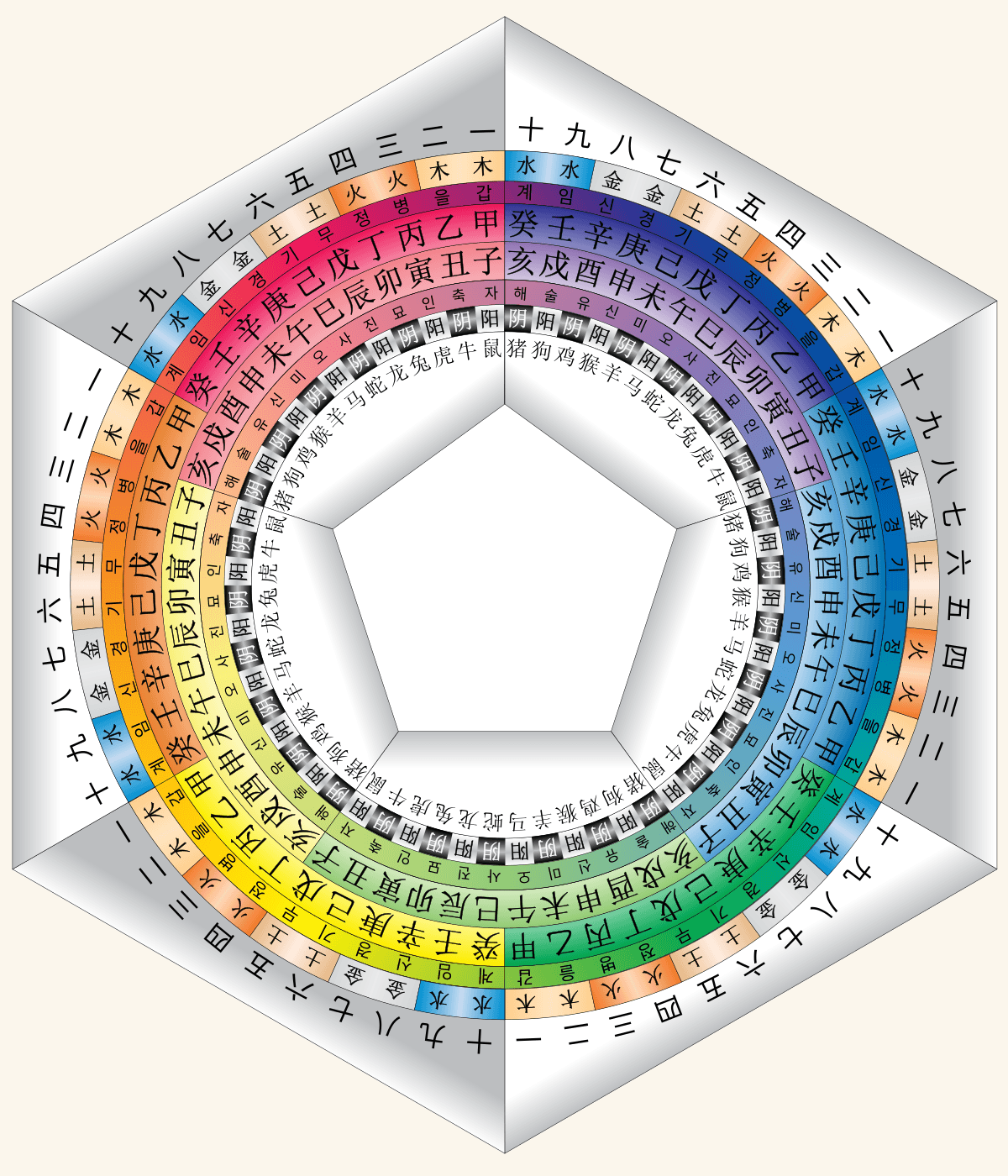
What is Tòng Cách?
Tòng Cách (從格) is a special type of chart structure in Bát Tự (BaZi, the Four Pillars system). In most charts, the aim is to balance the Five Elements and support the Day Master. But when the Day Master is extremely weak, with no root in the earthly branches, no Ấn (Resource) to generate and support it, and no Tỷ Kiếp (Peers) to bolster it, then any attempt to reinforce it backfires. At that point, the principle of reading the chart shifts to "following" the element that is most dominant in the chart. This is the core meaning of the word "tòng" (to follow, to go along with).
What are the conditions for forming Tòng Cách?
The book Trích Thiên Tủy (traditionally attributed to Liu Ji, in the condensed Qing-era edition), in the chapter Tòng hóa luận, in the section discussing "true" (a true tòng), opens with the line: "when the tòng is true, one discusses only the tòng; when the followed deity is followed, there is both good and bad fortune." The commentary in this chapter explains: when the Day Master is isolated and weak with no energy, when the three origins of heaven, earth and man are all cut off with not the least bit of life-giving support, while Tài (Wealth) and Quan (Officer) are extremely strong, that is a true tòng. Once it is a tòng, one discusses it according to the deity being followed; for example, a tòng Tài takes Tài as the ruler.
Beyond the conditions above, classical texts commonly set out a number of shared points:
- The Day Master is extremely weak, usually with no root in the earthly branches, or with a root that is clashed and broken.
- There is no Ấn star in the chart to generate and support it, or the Ấn is controlled and transformed so that it has no effect.
- There is no Tỷ Kiếp to support the self, or there is, but it is combined or overcome.
- One element or one of the Ten Gods holds overwhelming dominance, creating a state of "one side absolutely stronger".
If even one of the conditions above is missing, the structure may fail to form a Tòng and instead fall into the ordinary weak-self category.
What are the commonly seen types of Tòng Cách?
Depending on which element is most dominant, Tòng Cách is divided into several types:
- Tòng Tài: the Day Master is weak, the Tài star is extremely dominant, and it is forced to follow Tài. Such a person is often tied to money, business and social dealings.
- Tòng Sát: Thất Sát (Seven Killings) is extremely dominant, the Day Master cannot resist it and must follow Sát. This structure is tied to authority, pressure and willpower.
- Tòng Nhi: Thực Thần (Eating God) or Thương Quan (Hurting Officer) is extremely dominant, and the Day Master follows the child element that drains its energy. This usually relates to creativity, expression and art. The name Tòng Nhi is what later books call it; it does not appear in the passage of Trích Thiên Tủy quoted above.
- Tòng Quan: Chính Quan (Direct Officer) is extremely dominant, and the Day Master follows Quan. This is tied to career, discipline and institutions. The name Tòng Quan is likewise what later books call it; it does not appear in the passage of Trích Thiên Tủy quoted above.
Tòng Tài and Tòng Sát in particular already appear in the commentary of the chapter Tòng hóa luận (Trích Thiên Tủy) when discussing the true tòng. Some texts also mention Tòng Ấn and Tòng Tỷ, but these are less common and often give rise to debate.
How does one distinguish Tòng Cách from an ordinary weak self?
The easiest point of confusion is between Tòng Cách and a weak self. Both have a weak Day Master, but the way of handling them is entirely different:
- Ordinary weak self: there is still a little root, or Ấn and Tỷ, so Ấn and Tỷ are used to support it.
- Tòng Cách: the Day Master has lost every support; using Ấn and Tỷ would break the "tòng" state and bring disadvantage. Instead, one must go along with the element that is dominant.
For this reason, determining correctly whether it is a tòng or not is the key step, affecting the entire reading of the useful god, the favorable and unfavorable elements, and the luck cycles.
What should be kept in mind when interpreting Tòng Cách?
Tòng Cách is a topic of a traditional nature and has not been verified by science. Its content should be treated only as reference material in the study of culture and esotericism, and does not replace practical decisions in life.
How do the different schools understand it?
- The classical understanding (according to traditional Tử Bình): Tòng Cách is a formal chart structure, established only when the Day Master has absolutely no root and there is no Ấn or Tỷ. Once a tòng is formed, one must go along with the dominant element, use that element as the useful god, and avoid Ấn and Tỷ. This is precisely the true tòng that the chapter Tòng hóa luận (Trích Thiên Tủy) describes: the Day Master is isolated and weak with no energy, the three origins are cut off with not the least bit of life-giving support, and Tài and Quan are extremely strong.
- The expanded understanding: Some texts accept Tòng Cách even when a weak root remains, or when Ấn and Tỷ are controlled and transformed, as long as the dominance of one element is overwhelming enough. Compared against the old books, this understanding is not that of "modern documents" as many people assume, but is precisely the false tòng that Trích Thiên Tủy, chapter Tòng hóa luận, section discussing the "false", sets out: "how many people have a true tòng; a false tòng can also develop the self." The commentary in the chapter explains: when the Day Master is weak and Tài and Quan are strong, so that it cannot but follow, yet there is still a little support in the chart, that is a false tòng, and if the luck cycles meet Tài and Quan in a favorable position, it can still bring wealth and honor. Thus the false tòng is a category already present in the old books, not an invention of later documents.
- The cautious understanding: Many practitioners hold that Tòng Cách is very rarely seen in practice, and that most charts mistaken for a tòng are merely an ordinary weak self. They suggest checking carefully the root, the Ấn, the Tỷ, and the effects of combinations and clashes before concluding.
Related articles
- Thiên Ấn (Kiêu Thần) among the Ten Gods of Bát Tự: meaning and application in chart reading
- Thiên Tài among the Ten Gods of Bát Tự: meaning and application in chart reading
- Chính Ấn among the Ten Gods of Bát Tự: Meaning and application in chart reading
- Thực Thần among the Ten Gods of Bát Tự: Meaning and application in chart reading
- Thất Sát among the Ten Gods of Bát Tự: meaning and application in chart reading
- Kiếp Tài among the Ten Gods of Bát Tự: meaning and application in chart reading
- What is Bát Tự (Four Pillars)? How to read destiny through the eight characters of Stems and Branches
- What Are the Ten Gods in Bát Tự? The Meaning of the 10 Stars in the Four Pillars
- Tỷ Kiên among the Ten Gods of Bát Tự: meaning and application in chart reading
- Chính Tài among the Ten Gods of Bát Tự: meaning and application in chart reading
- Thương Quan among the Ten Gods of Bát Tự: meaning and application in chart reading
- The Twelve Stages of Growth in Bát Tự: The 12 Phases of Prosperity and Decline in a Person's Life


