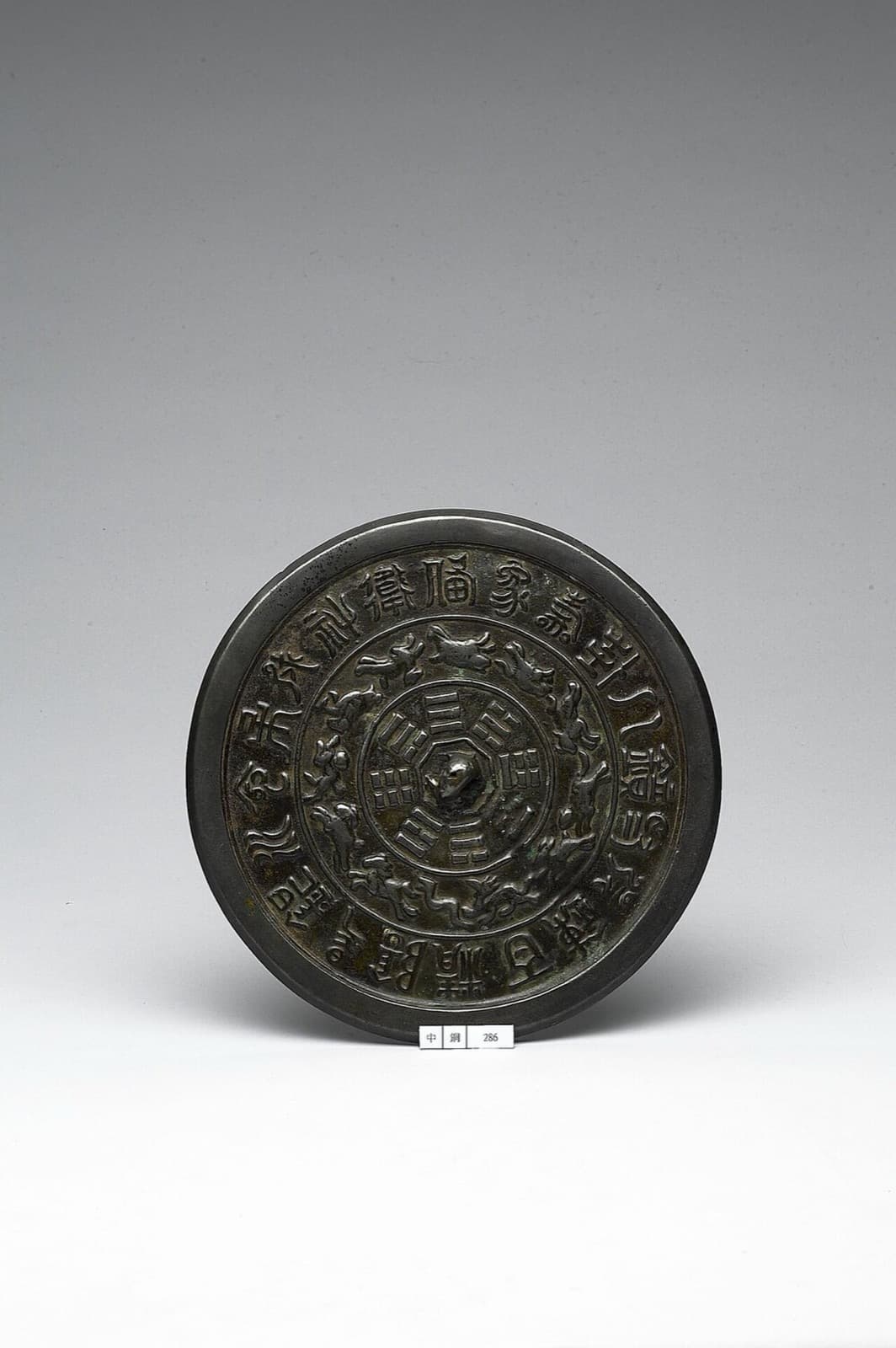
Introduction to the 24 Mountain Direction System
In Eastern Feng Shui, the 24 Mountain Direction system is a fundamental framework for determining the orientation of houses and graves. This system divides the 360-degree circle into 24 equal parts, each spanning 15 degrees. Each mountain is named after one of the Heavenly Stems, Earthly Branches, or Trigrams. The 24 mountains consist of 8 stems (Jia, Yi, Bing, Ding, Geng, Xin, Ren, Gui), 12 branches (Zi, Chou, Yin, Mao, Chen, Si, Wu, Wei, Shen, You, Xu, Hai), and 4 trigrams (Qian, Kun, Gen, Xun).
Mao Mountain is one of the 12 Earthly Branches, located due East, corresponding to 90 degrees on the Feng Shui compass. It is one of the Four Cardinal Mountains (Zi, Wu, Mao, You), i.e., the four mountains directly at the center of the four cardinal directions. Mao Mountain belongs to the Wood element, representing the position of sunrise, symbolizing beginnings, growth, and development.
Position and Basic Characteristics of Mao Mountain
Coordinates and Degree Range
Mao Mountain spans from 82.5 to 97.5 degrees on the compass, with the central mark at 90 degrees (due East). Each mountain is divided into three smaller parts called the three sub-mountains, each 5 degrees. The middle part of Mao Mountain (from 87.5 to 92.5 degrees) is called the central qi, while the two sides are the concurrent directions.
Five Elements and Direction
Mao Mountain belongs to the Wood element, being the most vigorous Wood among the five elements. In terms of seasons, Mao corresponds to Spring, the time when all things sprout and grow. In terms of time of day, Mao corresponds to 5-7 AM, at dawn when yang qi begins to rise. In terms of color, Mao corresponds to green, specifically leafy green.
Relationships with Other Elements
In the 12 Earthly Branch system, Mao is part of the Triple Harmony group with Hai and Wei, forming the Water Bureau. Mao also forms a Six Harmony with Xu. In terms of Clash, Mao clashes with You, as these two mountains are opposite each other across the compass center. In terms of Punishment, Mao punishes Zi.
Meaning of Mao Mountain When Sitting or Facing
When the House Sits Mao and Faces You
A house sitting Mao and facing You has its back to due East and faces due West. This is a direction of the Four Cardinals, considered a stable land formation. However, since Mao and You clash, a house sitting Mao and facing You requires careful consideration of the stability of family relationships, especially the marital relationship. The You direction belongs to Metal, which overcomes the Wood element of Mao Mountain, so appropriate remedies are needed.
When the House Sits You and Faces Mao
A house sitting You and facing Mao faces due East, welcoming the morning sunlight. The Mao direction is often regarded by many schools as favorable for career and reputation because Mao belongs to Wood, symbolizing growth and advancement. Houses facing Mao are generally believed to bring positive energy, favorable for young people, entrepreneurs, or those working in education, culture, or creative fields.
Mao Mountain in Different Feng Shui Schools
In Eight Mansions Feng Shui, Mao Mountain belongs to the East Group, compatible with East, Southeast, South, and North directions. Individuals with gua numbers in the East Group (Kan, Li, Zhen, Xun) are often advised to choose houses sitting or facing directions related to Mao Mountain. Meanwhile, those in the West Group should be cautious when selecting houses involving Mao Mountain.
In Xuan Kong Feng Shui, Mao Mountain is evaluated based on the current period and the combination of mountain stars and facing stars. Depending on the period, Mao Mountain can be placed in different flying star palaces, from which specific auspicious or inauspicious judgments are made.
Detailed Interpretation of Mao Mountain
Interpretation Based on Concurrent Directions
When Mao Mountain concurrently aligns with Jia (i.e., direction from 82.5 to 87.5 degrees), it is called Mao concurrent Jia. This case is considered part of the East path, combining Mao (Wood) and Jia (Wood), enhancing Wood energy. When Mao Mountain concurrently aligns with Yi (from 92.5 to 97.5 degrees), it is called Mao concurrent Yi, also of Wood element. Determining the concurrent direction is important for placing the stove, altar, bed, or main door.
Interpretation Based on Combination with Other Mountains
In Feng Shui, Mao Mountain when combined with other mountains creates different configurations. Mao combined with Hai and Wei forms the Triple Harmony Water Bureau, considered favorable for wealth and career. Mao combined with Zi forms a Punishment relationship, requiring caution regarding legal issues or disputes. Mao combined with You forms a Clash relationship, potentially causing sudden upheavals.
Interpretation Based on Season and Timing
Mao belongs to Spring, so houses facing or sitting Mao tend to perform best in Spring. Conversely, in Autumn (when Metal is strong), the Wood element of Mao is restrained, potentially encountering more difficulties. Ancient practitioners also noted that people born in Spring or during the Mao hour (5-7 AM) often have a natural affinity with Mao Mountain.
Important Principles When Using Mao Mountain
Principle of the Dragon Vein
In Feng Shui, determining the dragon vein (the direction from which the mountain range approaches) is crucial. Mao Mountain belongs to Wood, so a dragon vein coming from the Mao direction is often considered suitable for houses or graves with elevated terrain and lush greenery to the East. If there is a water flow or lake to the East, careful consideration is needed because Wood meeting Water can either thrive or drift depending on the water configuration.
Principle of the Bright Hall
The bright hall (the open space in front of the house) of a Mao-facing house should be spacious and open. Since Mao belongs to Wood, having greenery in the bright hall is good as long as it does not obstruct the view. Avoid a cramped bright hall or one blocked by tall objects, which can hinder qi flow.
Combination with the Homeowner's Birth Year
Homeowners born in Mao years (1951, 1963, 1975, 1987, 1999, 2011, etc.) are often considered to have a natural compatibility with Mao Mountain. However, this does not mean that people of other birth years cannot use Mao Mountain. The choice also depends on other factors such as the overall house orientation, land formation, and the stars in the current period.
Cautions and Limitations When Interpreting Mao Mountain
Avoid Extreme Interpretations
Do not view Mao Mountain or any mountain direction as absolutely good or bad. Feng Shui is a comprehensive knowledge system requiring simultaneous consideration of many factors. A house sitting Mao and facing You may be good for one person but not necessarily suitable for another, depending on individual destiny and circumstances.
Not a Substitute for Important Decisions
Feng Shui should only be used as a reference factor in life. Important decisions regarding finances, health, marriage, or career should be based on scientific, legal, and practical grounds.
Differences Between Schools
Different Feng Shui schools may offer varying judgments about Mao Mountain. For example, Form School emphasizes terrain shapes, while Li Qi focuses on direction and period qi. Researchers should cross-reference multiple sources for a comprehensive view, avoiding rigid one-sided application.
Conclusion
Mao Mountain is one of the 24 important mountain directions, located due East, belonging to the Wood element, symbolizing growth and beginnings. Interpreting Mao Mountain must be done within the overall context of the Feng Shui system, combining multiple factors such as direction, concurrent alignment, Triple Harmony, Clash, and period qi. A correct understanding of Mao Mountain helps researchers gain deeper insight into how living spaces function, thereby making choices suitable to their conditions and aspirations.
Quick-Reference Table: the Mão mountain
| Aspect | Content |
|---|---|
| Position among the 24 mountains | 7 |
| Type | Địa Chi |
| Direction | East |
| Governing trigram | Chấn |
| Compass range | 82.5° tới 97.5° |
| Dragon cycle | Thiên |
*Số liệu trong bảng khớp với kết quả các công cụ tra cứu trên Nhật Nguyệt.*